THE ADVENTURE COLLECTIVE® · Independent discovery and booking for outdoor travel

Join a rural Rwandan family for a full-day, hands-on immersion into traditional banana juice and beer production. Learn the techniques—cutting, burying, fermenting—and share lunch and stories with your hosts.
Join a rural Rwandan family for a full-day, hands-on immersion into traditional banana juice and beer production. Learn the techniques—cutting, burying, fermenting—and share lunch and stories with your hosts.
You step off the dusty village lane into a small courtyard where banana plants lean in like neighbors, their leaves whispering as you pass.
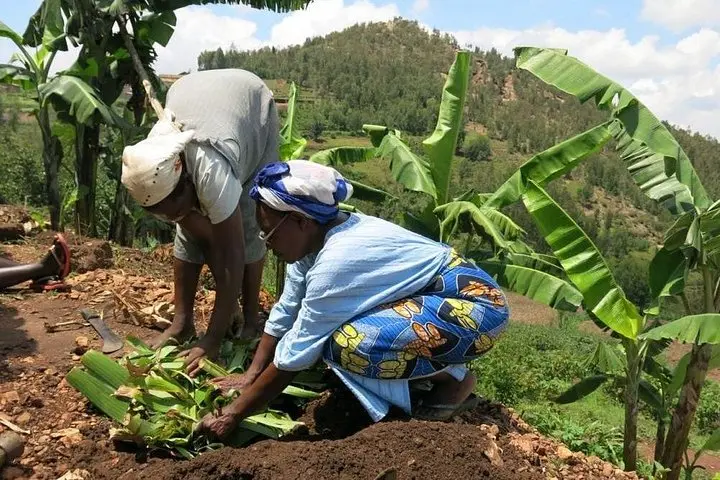
The morning air smells faintly of earth and fermenting fruit; children watch with curiosity as artisans lay out knives and baskets. Over the next 5–8 hours you move through the old, tactile process: cutting green bananas, burying them to ripen, fetching water and pounding pulp until the sweet liquid is freed.
Verified experiences and guided adventures in the surrounding area.
Operated by Azizi Life · Muhanga, Southern Province
You step off the dusty village lane into a small courtyard where banana plants lean in like neighbors, their leaves whispering as you pass.
The morning air smells faintly of earth and fermenting fruit; children watch with curiosity as artisans lay out knives and baskets. Over the next 5–8 hours you move through the old, tactile process: cutting green bananas, burying them to ripen, fetching water and pounding pulp until the sweet liquid is freed.
Banana beer—urwagwa—has long been woven into Rwandan rites of passage and communal celebration. Central Rwanda's volcanic soils and regular rains create ideal conditions for matoke-style bananas; the method of burying unripe fruit to coax even ripening is a practicality shaped by climate and custom.
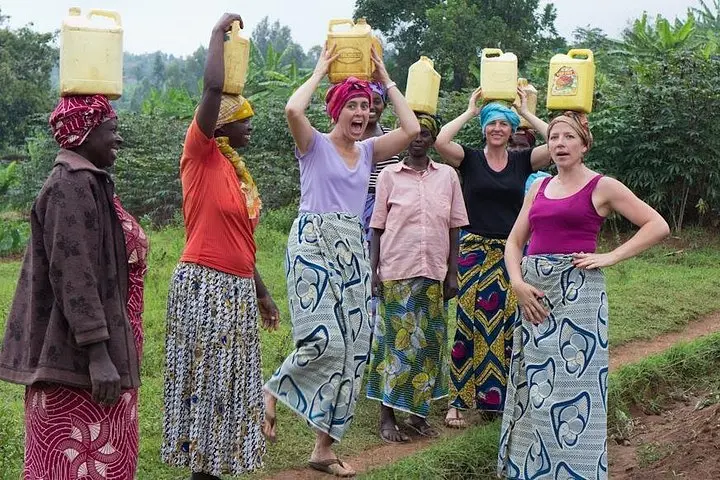
Culturally, this is as much an exchange as a workshop: hosts often share a simple lunch (cassava and beans), stories about village life, and invite questions about your background. Expect hands-on work that connects you to seasonal rhythm rather than a polished demonstration.
Practical guidance: wear sturdy, closed-toe shoes and clothing you don’t mind getting dusty; bring sun protection and insect repellent. The experience runs 5–8 hours and requires moderate fitness—digging and lifting are part of the day. Book at least four days ahead so the community can prepare the bananas; group minimums apply.
Leave space in your bag for small souvenirs, and come ready to participate respectfully—this is community hospitality, not a staged performance. The reward is a cold glass of juice, warm conversation, and a better understanding of how everyday ingredients become celebration.
The listing includes transport from Muhanga (Gitarama) to the village and back; confirm pickup location and time when booking.
It involves moderate labor—cutting, carrying, digging and stirring—so participants should be comfortable with sustained standing and light lifting.
Hosts serve a traditional lunch (e.g., cassava and beans); advise the operator of restrictions when booking so alternatives can be arranged where possible.
Children can attend (child rate applies with two paying adults) but the experience is not recommended for pregnant travelers or those with serious spinal or heart conditions.
Azizi Life operates guided outdoor trips and adventures with an emphasis on safety, stewardship, and memorable experiences.
You step off the dusty village lane into a small courtyard where banana plants lean in like neighbors, their leaves whispering as you pass.
The morning air smells faintly of earth and fermenting fruit; children watch with curiosity as artisans lay out knives and baskets. Over the next 5–8 hours you move through the old, tactile process: cutting green bananas, burying them to ripen, fetching water and pounding pulp until the sweet liquid is freed.
Banana beer—urwagwa—has long been woven into Rwandan rites of passage and communal celebration. Central Rwanda's volcanic soils and regular rains create ideal conditions for matoke-style bananas; the method of burying unripe fruit to coax even ripening is a practicality shaped by climate and custom.
Culturally, this is as much an exchange as a workshop: hosts often share a simple lunch (cassava and beans), stories about village life, and invite questions about your background. Expect hands-on work that connects you to seasonal rhythm rather than a polished demonstration.
Practical guidance: wear sturdy, closed-toe shoes and clothing you don’t mind getting dusty; bring sun protection and insect repellent. The experience runs 5–8 hours and requires moderate fitness—digging and lifting are part of the day. Book at least four days ahead so the community can prepare the bananas; group minimums apply.
Leave space in your bag for small souvenirs, and come ready to participate respectfully—this is community hospitality, not a staged performance. The reward is a cold glass of juice, warm conversation, and a better understanding of how everyday ingredients become celebration.