THE ADVENTURE COLLECTIVE® · Independent discovery and booking for outdoor travel

Experience Makkah’s sacred architecture and historic sites on a guided full-day bus tour that visits Mount Arafat, the Cave of Hira, Mina, Muzdalifah, and several historic mosques. Expect focused museum stops, short walks, and close encounters with sites central to Islamic history.
Experience Makkah’s sacred architecture and historic sites on a guided full-day bus tour that visits Mount Arafat, the Cave of Hira, Mina, Muzdalifah, and several historic mosques. Expect focused museum stops, short walks, and close encounters with sites central to Islamic history.
You step off the coach into a city where stone and devotion meet: the air hums with footsteps and prayer, tall minarets cutting the sky above narrow streets. The day opens at Jabal al-Rahmah on Mount Arafat, a wind-swept ridge where the Prophet’s final sermon is recalled each Hajj; the landscape here is spare but charged, the desert holding memory like a dry well.
Verified experiences and guided adventures in the surrounding area.
Operated by Gray Line - Kurban Tours · Makkah, Makkah Province
You step off the coach into a city where stone and devotion meet: the air hums with footsteps and prayer, tall minarets cutting the sky above narrow streets. The day opens at Jabal al-Rahmah on Mount Arafat, a wind-swept ridge where the Prophet’s final sermon is recalled each Hajj; the landscape here is spare but charged, the desert holding memory like a dry well.
From Arafat the route threads past Mina’s vast tent fields, a modern logistical feat born of ancient rites, then climbs toward Jabal al-Nour. The Cave of Hira is small and steep—the place of the first revelation in 610 CE—and the nearby museum contextualizes that encounter with exhibits on early Quranic history. Muzdalifah and the Jamarat pillars are practical, muscular places: ritual, architecture, and crowd management converge.
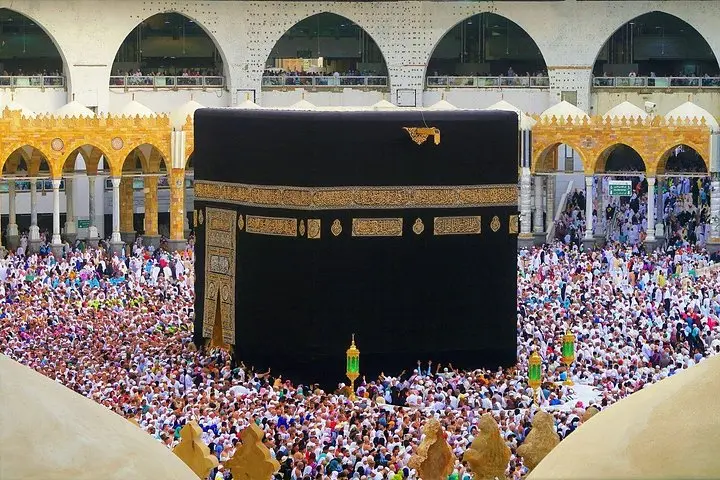
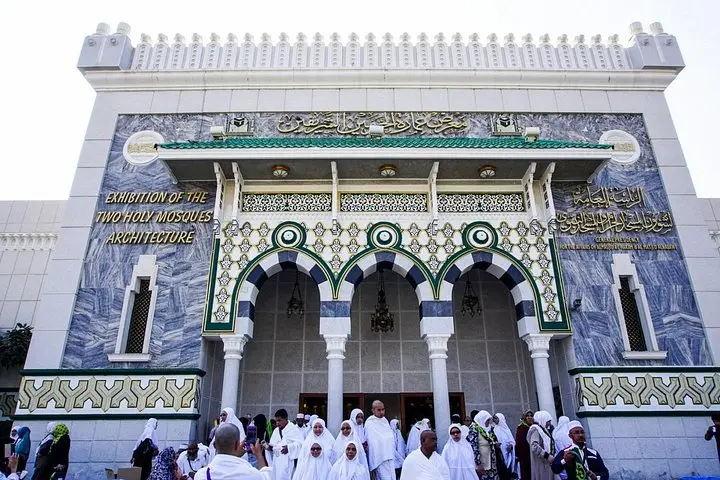
The tour visits several mosque sites—Masjid al-Jinn, Masjid al-Fath, Masjid al-Khaif—and shows displays on the Kaaba’s kiswah, the silk covering embroidered each year. Expect close-range views of religious architecture, large-scale tent engineering at Mina, and curated museum halls that track Islamic and Arabian heritage.
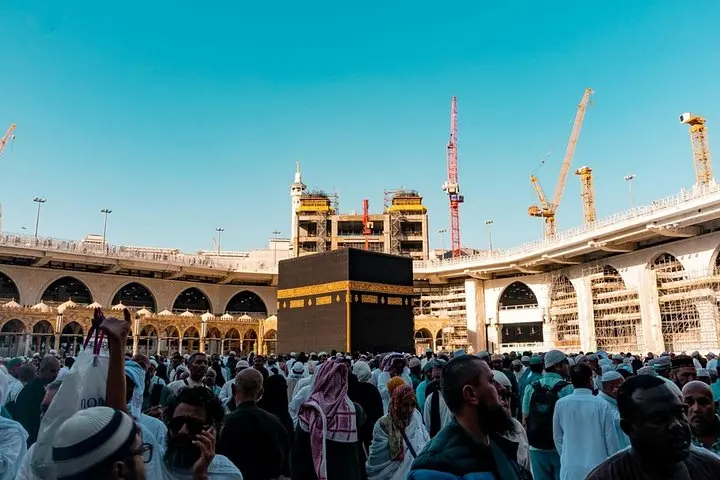
Practical guidance: wear modest, breathable clothing and comfortable closed-toe shoes; prepare for intense sun and long standing periods near sacred sites; carry water and a copy of your identification. Plan around prayer times to avoid peak crowds. The full-day itinerary is paced for short walks and photo stops, but emotional and logistical density means the day requires patience, respect, and a readiness to follow local guidance.
No; access to the city of Makkah and many of its holy sites is restricted to Muslims, and this tour is intended for Muslim travelers only.
Yes, the tour lists entrance fees in the inclusions, and the licensed guide and hotel pickup/drop-off are provided.
Licensed English or Arabic driver-guides are provided; confirm language preference when booking.
The tour is rated easy: most travel is by coach with short walks and some uphill approaches; suitable for those able to stand and walk short distances.
Gray Line - Kurban Tours operates guided outdoor trips and adventures with an emphasis on safety, stewardship, and memorable experiences.
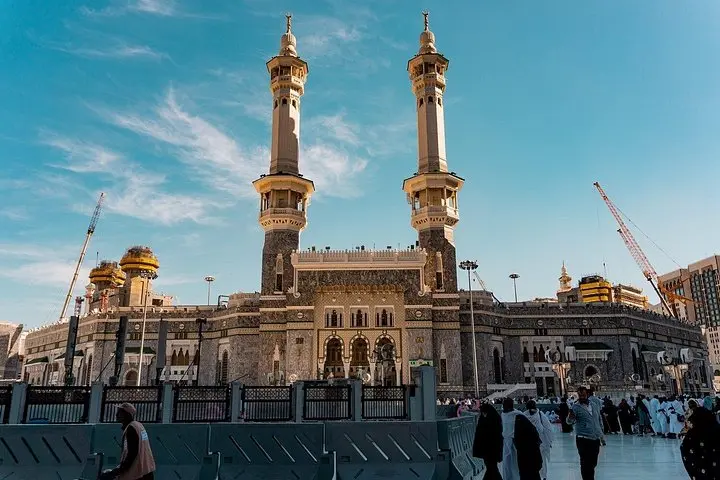
You step off the coach into a city where stone and devotion meet: the air hums with footsteps and prayer, tall minarets cutting the sky above narrow streets. The day opens at Jabal al-Rahmah on Mount Arafat, a wind-swept ridge where the Prophet’s final sermon is recalled each Hajj; the landscape here is spare but charged, the desert holding memory like a dry well.
You step off the coach into a city where stone and devotion meet: the air hums with footsteps and prayer, tall minarets cutting the sky above narrow streets. The day opens at Jabal al-Rahmah on Mount Arafat, a wind-swept ridge where the Prophet’s final sermon is recalled each Hajj; the landscape here is spare but charged, the desert holding memory like a dry well.
From Arafat the route threads past Mina’s vast tent fields, a modern logistical feat born of ancient rites, then climbs toward Jabal al-Nour. The Cave of Hira is small and steep—the place of the first revelation in 610 CE—and the nearby museum contextualizes that encounter with exhibits on early Quranic history. Muzdalifah and the Jamarat pillars are practical, muscular places: ritual, architecture, and crowd management converge.
The tour visits several mosque sites—Masjid al-Jinn, Masjid al-Fath, Masjid al-Khaif—and shows displays on the Kaaba’s kiswah, the silk covering embroidered each year. Expect close-range views of religious architecture, large-scale tent engineering at Mina, and curated museum halls that track Islamic and Arabian heritage.
Practical guidance: wear modest, breathable clothing and comfortable closed-toe shoes; prepare for intense sun and long standing periods near sacred sites; carry water and a copy of your identification. Plan around prayer times to avoid peak crowds. The full-day itinerary is paced for short walks and photo stops, but emotional and logistical density means the day requires patience, respect, and a readiness to follow local guidance.