THE ADVENTURE COLLECTIVE® · Independent discovery and booking for outdoor travel

Paddle through Lagos’ Makoko village on a guided canoe tour that visits the Baale’s compound and a floating primary school. Learn how residents live, work and adapt to the lagoon, with private transport and bottled water included.
Paddle through Lagos’ Makoko village on a guided canoe tour that visits the Baale’s compound and a floating primary school. Learn how residents live, work and adapt to the lagoon, with private transport and bottled water included.
A narrow motorboat cuts through the lagoon at dawn, water daring you to lean forward and listen: the village breathes in a rhythm of paddles, nets and children’s voices. Makoko sits partly on stilts, partly afloat, a community whose houses and walkways rise and sway above the Lagos Lagoon. Your guide leads you through alley-canals where fishing boats tip and bob, then into the Baale’s compound and a primary school that doubles as a meeting point.
Verified experiences and guided adventures in the surrounding area.
Operated by Samap Travels & Tours LTD · Lagos, Lagos State
A narrow motorboat cuts through the lagoon at dawn, water daring you to lean forward and listen: the village breathes in a rhythm of paddles, nets and children’s voices. Makoko sits partly on stilts, partly afloat, a community whose houses and walkways rise and sway above the Lagos Lagoon. Your guide leads you through alley-canals where fishing boats tip and bob, then into the Baale’s compound and a primary school that doubles as a meeting point.
Makoko began as a practical response to shore constraints—fishing families built over water where the lagoon met the city. Geology and tides shape daily life here: shallow mudflats, mangrove fringe, and a tidal pull that dictates when canals are passable. The community’s culture centers on fishing, boatbuilding and improvisation; history shows waves of migrants who adapted to lagoon living long before modern redevelopment debates.
Expect to learn about seasonal rains, sanitation challenges and the community’s inventive architecture during a guided canoe ride. Practicalities matter: tours typically run 2–4 hours, include private pickup in an air-conditioned vehicle, bottled water, and return transport. Wear quick-dry shoes, sun protection and bring insect repellent; move slowly when stepping into canoes and ask before photographing people. The experience is part ethnography, part boat trip—immersive, grounded and revealing of a side of Lagos most visitors miss.
Plan for changing water levels during the rainy season and keep small bills for local vendors or a modest tip to your guide. Respect local rules, follow your guide’s lead, and you’ll leave with a clearer sense of how community and water coexist on the edge of a megacity.
Tours typically run 2–4 hours depending on pickup location and whether you visit the Baale’s house and the primary school before the canoe ride.
Yes—operators usually provide stable wooden canoes and guides assist boarding; children should be supervised and anyone with limited mobility should notify the operator in advance.
Photography is allowed but ask permission for close portraits; your guide can help with introductions and cultural context.
High tides and heavy rains can alter navigation and accessibility; tours may be rescheduled or canceled in bad weather—confirm before you go.
Samap Travels & Tours LTD operates guided outdoor trips and adventures with an emphasis on safety, stewardship, and memorable experiences.
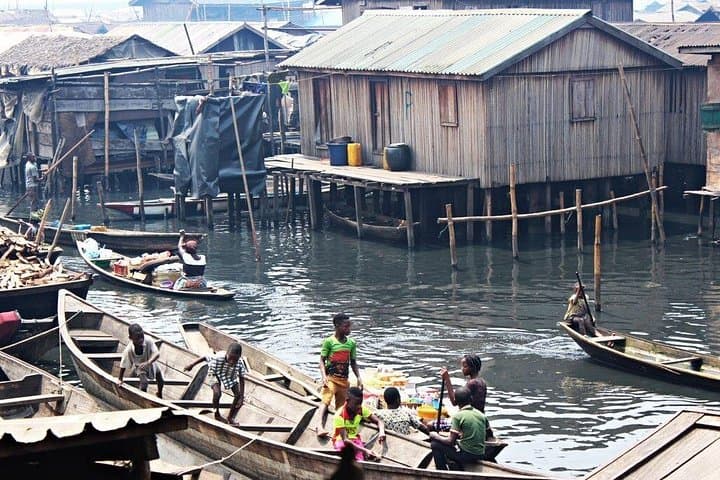
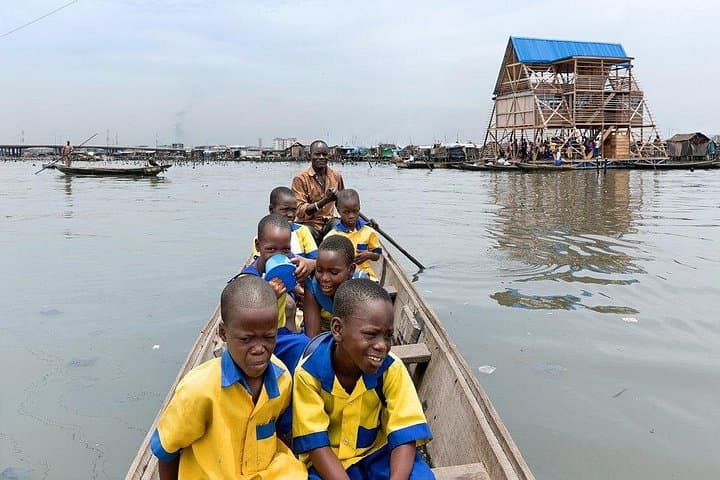


A narrow motorboat cuts through the lagoon at dawn, water daring you to lean forward and listen: the village breathes in a rhythm of paddles, nets and children’s voices. Makoko sits partly on stilts, partly afloat, a community whose houses and walkways rise and sway above the Lagos Lagoon. Your guide leads you through alley-canals where fishing boats tip and bob, then into the Baale’s compound and a primary school that doubles as a meeting point.
A narrow motorboat cuts through the lagoon at dawn, water daring you to lean forward and listen: the village breathes in a rhythm of paddles, nets and children’s voices. Makoko sits partly on stilts, partly afloat, a community whose houses and walkways rise and sway above the Lagos Lagoon. Your guide leads you through alley-canals where fishing boats tip and bob, then into the Baale’s compound and a primary school that doubles as a meeting point.
Makoko began as a practical response to shore constraints—fishing families built over water where the lagoon met the city. Geology and tides shape daily life here: shallow mudflats, mangrove fringe, and a tidal pull that dictates when canals are passable. The community’s culture centers on fishing, boatbuilding and improvisation; history shows waves of migrants who adapted to lagoon living long before modern redevelopment debates.
Expect to learn about seasonal rains, sanitation challenges and the community’s inventive architecture during a guided canoe ride. Practicalities matter: tours typically run 2–4 hours, include private pickup in an air-conditioned vehicle, bottled water, and return transport. Wear quick-dry shoes, sun protection and bring insect repellent; move slowly when stepping into canoes and ask before photographing people. The experience is part ethnography, part boat trip—immersive, grounded and revealing of a side of Lagos most visitors miss.
Plan for changing water levels during the rainy season and keep small bills for local vendors or a modest tip to your guide. Respect local rules, follow your guide’s lead, and you’ll leave with a clearer sense of how community and water coexist on the edge of a megacity.