THE ADVENTURE COLLECTIVE® · Independent discovery and booking for outdoor travel

Run 7.5 km through Malang’s living neighborhoods — from Celaket’s batik-lined alleys to the palm-lined Ijen Boulevard — pausing for local encounters, colonial architecture, and freshly made fruit juice. This conversational-paced tour mixes fitness with cultural exchange.
Run 7.5 km through Malang’s living neighborhoods — from Celaket’s batik-lined alleys to the palm-lined Ijen Boulevard — pausing for local encounters, colonial architecture, and freshly made fruit juice. This conversational-paced tour mixes fitness with cultural exchange.
You step off the curb into a city that moves at two speeds: the steady pulse of daily life and the quicker rhythm of the run. The route threads through Celaket’s painted houses, skirts the wide palms of Ijen Boulevard and slips over narrow pedestrian bridges that dare you to glance down at the neighborhood below.
Verified experiences and guided adventures in the surrounding area.
Operated by Smartine Indonesia Travel · Malang, East Java
You step off the curb into a city that moves at two speeds: the steady pulse of daily life and the quicker rhythm of the run. The route threads through Celaket’s painted houses, skirts the wide palms of Ijen Boulevard and slips over narrow pedestrian bridges that dare you to glance down at the neighborhood below.
Malang wears its history on its streets. Ijen Boulevard, laid out in the 1930s by Dutch architect Karsten, still frames colonial-era palms and formal flowerbeds; nearby the neo‑Gothic cathedral from 1934 watches over quieter lanes. Kampungs like Celaket and the blue Arema enclave preserve local batik traditions and community workshops where small donations directly support residents.
Geology here is gentle — volcanic soils from nearby ranges make the city green and give the boulevards their generous trees. Culture is hands-on: expect to pause, meet vendors, sip freshly made juice and hear stories from people who live along the route.
Practical guidance: the tour covers about 7.5 km at a conversational running pace with multiple short sightseeing stops, totaling roughly 1.5–2 hours. Terrain is urban — paved streets, uneven sidewalks and occasional narrow alleys and bridges — so stable running shoes are essential. Bottled water and a fresh fruit juice are provided; carry a little cash for small purchases and community fees. Not recommended if you have significant heart problems. Mornings are cooler and less crowded; afternoons can be humid. Wear breathable layers, apply sunscreen, and be prepared to slow your pace to take in the neighborhood life.
Yes — the pace is conversational and guides accommodate differing fitness levels, but participants should be comfortable running short distances and navigating urban terrain.
Absolutely — many guests choose a brisk walk and still enjoy the cultural stops and neighborhood access.
Public restrooms are limited; plan to use facilities at your hotel or cafes before the start and at the final stop in the local street restaurant.
The tour operator may cancel for heavy rain; the booking policy allows full refund if canceled at least 24 hours prior or if weather forces cancellation.
Smartine Indonesia Travel operates guided outdoor trips and adventures with an emphasis on safety, stewardship, and memorable experiences.
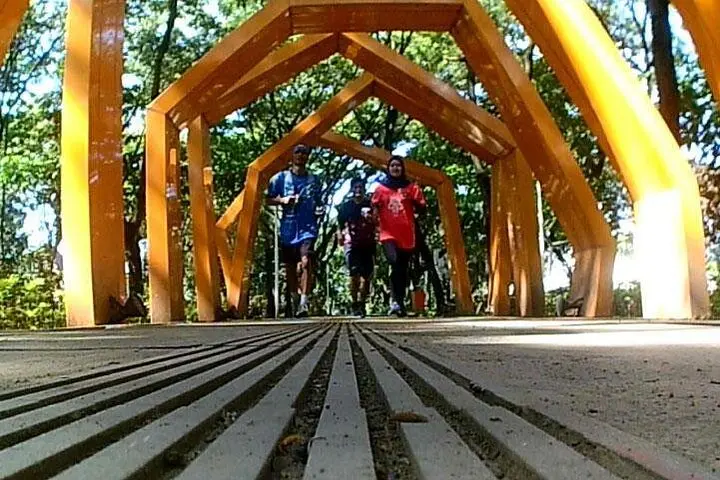
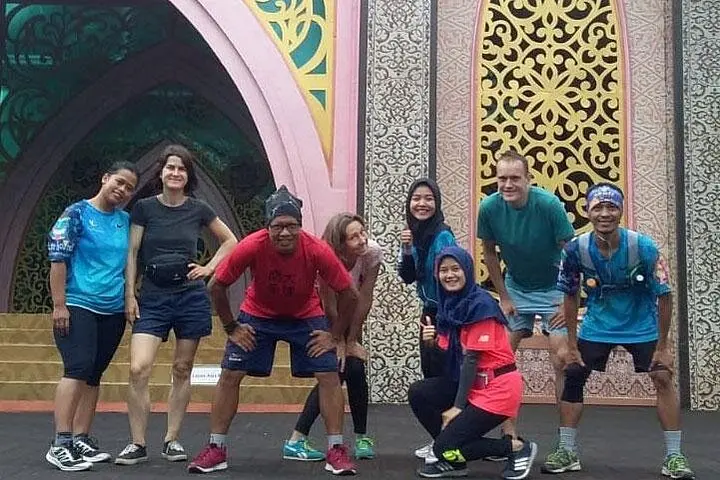
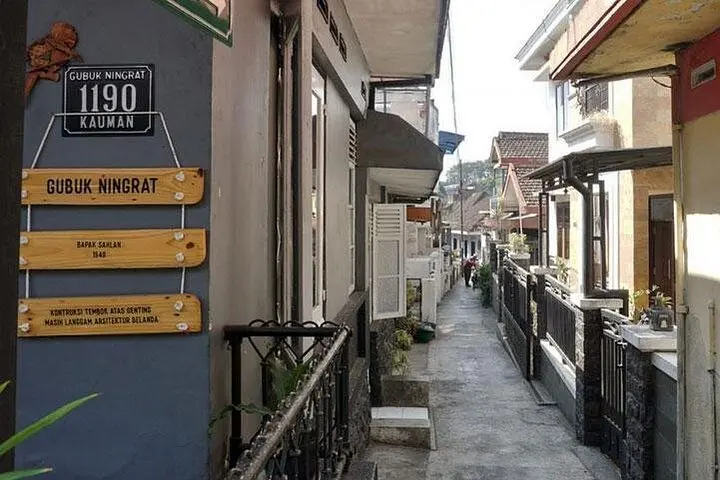
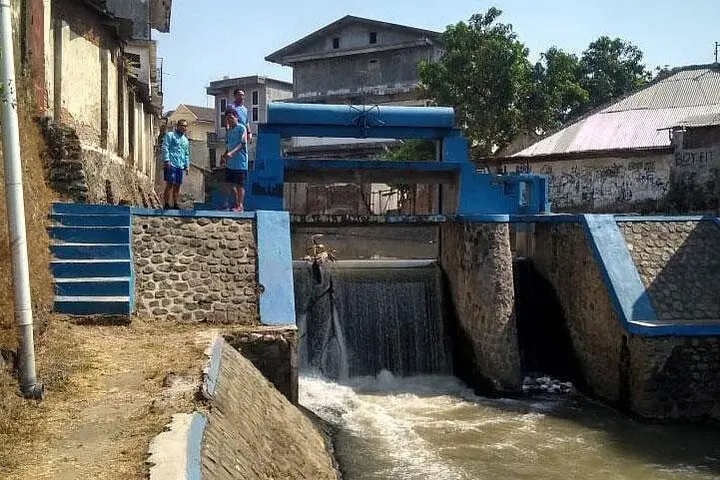
You step off the curb into a city that moves at two speeds: the steady pulse of daily life and the quicker rhythm of the run. The route threads through Celaket’s painted houses, skirts the wide palms of Ijen Boulevard and slips over narrow pedestrian bridges that dare you to glance down at the neighborhood below.
You step off the curb into a city that moves at two speeds: the steady pulse of daily life and the quicker rhythm of the run. The route threads through Celaket’s painted houses, skirts the wide palms of Ijen Boulevard and slips over narrow pedestrian bridges that dare you to glance down at the neighborhood below.
Malang wears its history on its streets. Ijen Boulevard, laid out in the 1930s by Dutch architect Karsten, still frames colonial-era palms and formal flowerbeds; nearby the neo‑Gothic cathedral from 1934 watches over quieter lanes. Kampungs like Celaket and the blue Arema enclave preserve local batik traditions and community workshops where small donations directly support residents.
Geology here is gentle — volcanic soils from nearby ranges make the city green and give the boulevards their generous trees. Culture is hands-on: expect to pause, meet vendors, sip freshly made juice and hear stories from people who live along the route.
Practical guidance: the tour covers about 7.5 km at a conversational running pace with multiple short sightseeing stops, totaling roughly 1.5–2 hours. Terrain is urban — paved streets, uneven sidewalks and occasional narrow alleys and bridges — so stable running shoes are essential. Bottled water and a fresh fruit juice are provided; carry a little cash for small purchases and community fees. Not recommended if you have significant heart problems. Mornings are cooler and less crowded; afternoons can be humid. Wear breathable layers, apply sunscreen, and be prepared to slow your pace to take in the neighborhood life.