THE ADVENTURE COLLECTIVE® · Independent discovery and booking for outdoor travel

A compact day hike 24 km from Tirana that climbs Mali i Vrapit to 647 m, ending with a village-cooked lunch. Expect uneven limestone, shepherds’ paths, and a short, authentic rural transfer back in a vintage minibus.
A compact day hike 24 km from Tirana that climbs Mali i Vrapit to 647 m, ending with a village-cooked lunch. Expect uneven limestone, shepherds’ paths, and a short, authentic rural transfer back in a vintage minibus.
A low-slung ridge rises like a local dare just southwest of Tirana — limestone shining cold where sheep paths cut the grass. You step out of the minivan at about 210 m, the city’s hum left behind after a short 24 km drive, and the trail pulls you uphill toward Mali i Vrapit (647 m). The slope tightens; rocks require careful footing and the wind seems to push you on as it threads through the scrub.
Verified experiences and guided adventures in the surrounding area.
Operated by Tirana Weekends · Baldushk, Tirana County
A low-slung ridge rises like a local dare just southwest of Tirana — limestone shining cold where sheep paths cut the grass. You step out of the minivan at about 210 m, the city’s hum left behind after a short 24 km drive, and the trail pulls you uphill toward Mali i Vrapit (647 m). The slope tightens; rocks require careful footing and the wind seems to push you on as it threads through the scrub.
The Baldushk region has long been a working landscape of shepherds and small farms rather than a tourism circuit. Geologically the hill is limestone and broken karst, which creates sharp, uneven ground near the summit and broad lower slopes where cereal fields and olive terraces still feed the villages. Culturally the route ends at a village café where cheeses, olive oil and bread come from the household producers who live here.
Expect about 2½ hours to reach the top on mixed singletrack and rough animal paths, with an exposed final section that needs route-finding. The return eases into gentler ground and a welcome village lunch around early afternoon. Transport back is characterful — a slow, rough 40‑minute ride in a vintage Mercedes minibus — and the drive to Tirana depends on city traffic.
Practical notes: go in shoulder seasons (Oct–Apr), carry 1.5–2 L water, wear sturdy boots for limestone steps, and be prepared for short steep bits. Leave no trace and bring cash for the café — the meal directly supports the local economy.
Plan on about 2½ hours to reach the 647 m summit from the 210 m start, depending on pace and route-finding speed.
No — lower sections have usable paths but the upper limestone requires basic navigation and following shepherd tracks.
Fit beginners with steady footing and experience on uneven trails can join, but the hike is not recommended for those with serious mobility or heart issues.
Yes — the trip includes a simple lunch at the village café featuring locally produced cheeses and olive oil.
Tirana Weekends operates guided outdoor trips and adventures with an emphasis on safety, stewardship, and memorable experiences.
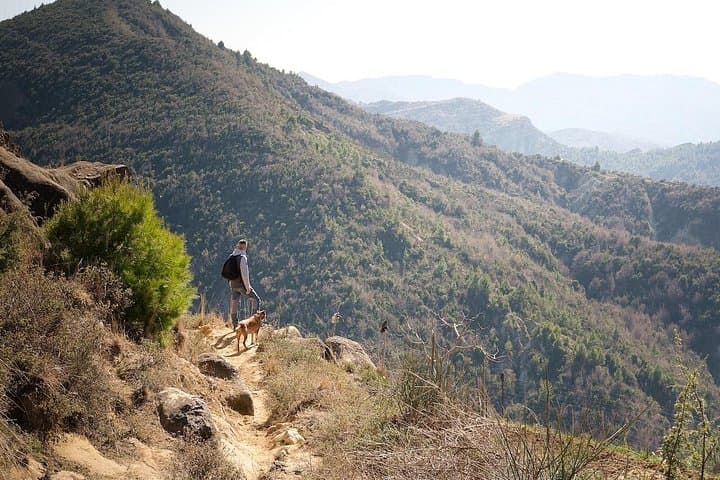

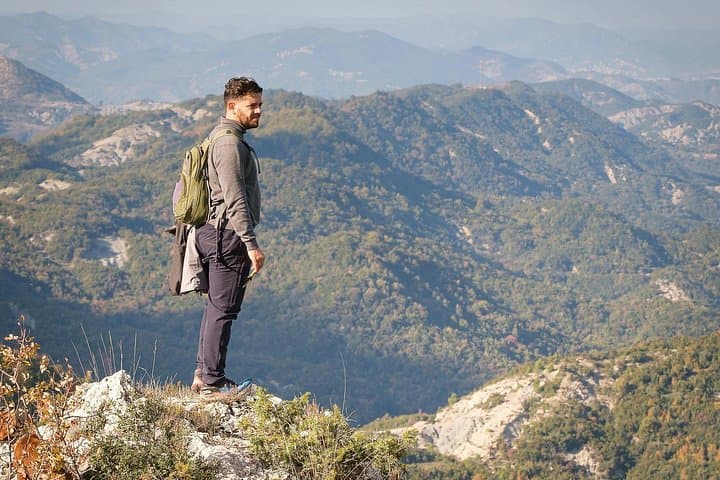

A low-slung ridge rises like a local dare just southwest of Tirana — limestone shining cold where sheep paths cut the grass. You step out of the minivan at about 210 m, the city’s hum left behind after a short 24 km drive, and the trail pulls you uphill toward Mali i Vrapit (647 m). The slope tightens; rocks require careful footing and the wind seems to push you on as it threads through the scrub.
A low-slung ridge rises like a local dare just southwest of Tirana — limestone shining cold where sheep paths cut the grass. You step out of the minivan at about 210 m, the city’s hum left behind after a short 24 km drive, and the trail pulls you uphill toward Mali i Vrapit (647 m). The slope tightens; rocks require careful footing and the wind seems to push you on as it threads through the scrub.
The Baldushk region has long been a working landscape of shepherds and small farms rather than a tourism circuit. Geologically the hill is limestone and broken karst, which creates sharp, uneven ground near the summit and broad lower slopes where cereal fields and olive terraces still feed the villages. Culturally the route ends at a village café where cheeses, olive oil and bread come from the household producers who live here.
Expect about 2½ hours to reach the top on mixed singletrack and rough animal paths, with an exposed final section that needs route-finding. The return eases into gentler ground and a welcome village lunch around early afternoon. Transport back is characterful — a slow, rough 40‑minute ride in a vintage Mercedes minibus — and the drive to Tirana depends on city traffic.
Practical notes: go in shoulder seasons (Oct–Apr), carry 1.5–2 L water, wear sturdy boots for limestone steps, and be prepared for short steep bits. Leave no trace and bring cash for the café — the meal directly supports the local economy.