THE ADVENTURE COLLECTIVE® · Independent discovery and booking for outdoor travel

A three-day expedition into Borneo’s Maliau Basin offers raw rainforest, limited-group access and research-station accommodations. Expect long 4x4 transfers, short interpretive hikes and prime dawn birding from an observation tower.
A three-day expedition into Borneo’s Maliau Basin offers raw rainforest, limited-group access and research-station accommodations. Expect long 4x4 transfers, short interpretive hikes and prime dawn birding from an observation tower.
You arrive before dawn after a long 4–6 hour drive away from Tawau or Semporna, the road collapsing from open farmland into a blur of dipterocarp forest. The 4x4 grinds over gravel, the vehicle rocking like a companion that knows this wild road well; when the trees finally open, the study centre sits understated—basic bunks, a research vibe, and the heavy green quiet of the basin.
Verified experiences and guided adventures in the surrounding area.
Operated by Wadi Rum Fire Camp · Tawau, Sabah
You arrive before dawn after a long 4–6 hour drive away from Tawau or Semporna, the road collapsing from open farmland into a blur of dipterocarp forest. The 4x4 grinds over gravel, the vehicle rocking like a companion that knows this wild road well; when the trees finally open, the study centre sits understated—basic bunks, a research vibe, and the heavy green quiet of the basin.
Maliau Basin, first formally surveyed in the late 1980s, is a near-circular conservation arena where erosion and time created cliffs, waterfalls and an inverted island of old-growth forest. Geology here reads like a slow-motion collision: sandstone rims, steep scarps and deeply incised river valleys feeding tannin-dark streams. Culturally, the area is managed with conservation-first rules under Sabah’s research authorities; visitor numbers are limited and the basin functions as a live laboratory for scientists.
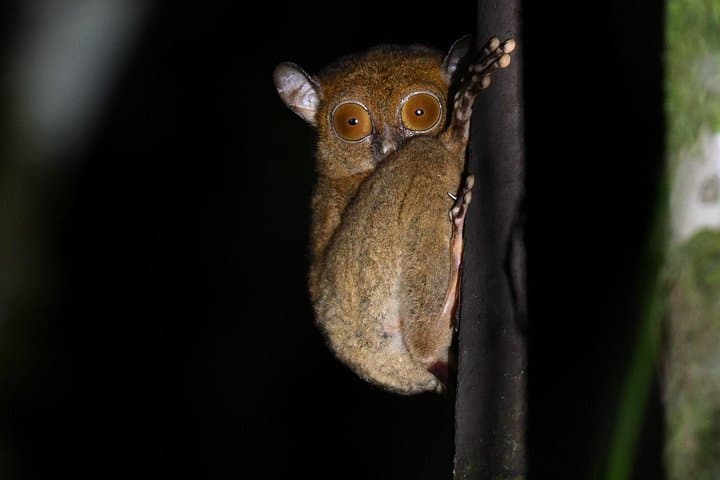
Expect short, steep sections on trails, boardwalks at sensitive spots, a 1 km interpretive loop at Agathis Camp, and a 61-foot observation tower for sunrise panoramas. Wildlife is active at dawn and dusk—hornbills calling overhead, civets and leopard cats slipping between buttress roots. Accommodation is basic research-station style; meals and park fees are included and guides carry VHF radios.
Practical guidance: travel by sturdy 4WD, pack waterproof footwear and a lightweight rain jacket, bring binoculars and enough cash in ringgit. Allow time for muddy trails, slow wildlife encounters and schedule flexibility—weather and park management can change the plan. This is an expedition-style trip: immersive, low-impact and deliberately remote.
Expect a 4–6 hour 4x4 transfer from Tawau or Semporna over gravel and logging roads; the final stretch requires vehicles capable of uneven terrain.
Yes—Maliau Basin is a protected research reserve. Drone flights and commercial filming require prior approval from the Secretariat Unit; follow park rules or risk legal action.
Accommodations are basic research-centre style (master/deluxe/resthouse options listed) focused on low-impact stays rather than luxury; meals are included in communal dining areas.
The program notes it’s not recommended for pregnant travelers; children may join but consider the long transfers and rugged conditions—check with operators about age limits.
Wadi Rum Fire Camp operates guided outdoor trips and adventures with an emphasis on safety, stewardship, and memorable experiences.


You arrive before dawn after a long 4–6 hour drive away from Tawau or Semporna, the road collapsing from open farmland into a blur of dipterocarp forest. The 4x4 grinds over gravel, the vehicle rocking like a companion that knows this wild road well; when the trees finally open, the study centre sits understated—basic bunks, a research vibe, and the heavy green quiet of the basin.
You arrive before dawn after a long 4–6 hour drive away from Tawau or Semporna, the road collapsing from open farmland into a blur of dipterocarp forest. The 4x4 grinds over gravel, the vehicle rocking like a companion that knows this wild road well; when the trees finally open, the study centre sits understated—basic bunks, a research vibe, and the heavy green quiet of the basin.
Maliau Basin, first formally surveyed in the late 1980s, is a near-circular conservation arena where erosion and time created cliffs, waterfalls and an inverted island of old-growth forest. Geology here reads like a slow-motion collision: sandstone rims, steep scarps and deeply incised river valleys feeding tannin-dark streams. Culturally, the area is managed with conservation-first rules under Sabah’s research authorities; visitor numbers are limited and the basin functions as a live laboratory for scientists.
Expect short, steep sections on trails, boardwalks at sensitive spots, a 1 km interpretive loop at Agathis Camp, and a 61-foot observation tower for sunrise panoramas. Wildlife is active at dawn and dusk—hornbills calling overhead, civets and leopard cats slipping between buttress roots. Accommodation is basic research-station style; meals and park fees are included and guides carry VHF radios.
Practical guidance: travel by sturdy 4WD, pack waterproof footwear and a lightweight rain jacket, bring binoculars and enough cash in ringgit. Allow time for muddy trails, slow wildlife encounters and schedule flexibility—weather and park management can change the plan. This is an expedition-style trip: immersive, low-impact and deliberately remote.