
Mallorca A-Class Bike Rental: Ride Serra de Tramuntana and Coastal Roads
Rent an A‑class bike on Mallorca and leave your own at home: from coastal cruises to Tramuntana climbs, these rentals get you on the island’s best tarmac immediately. Learn what to expect—routes, elevation, and practical tips to plan your ride.
An Adventure In Palma de Mallorca.
Rent an A‑class bike on Mallorca and leave your own at home: from coastal cruises to Tramuntana climbs, these rentals get you on the island’s best tarmac immediately. Learn what to expect—routes, elevation, and practical tips to plan your ride.
Read the full experience
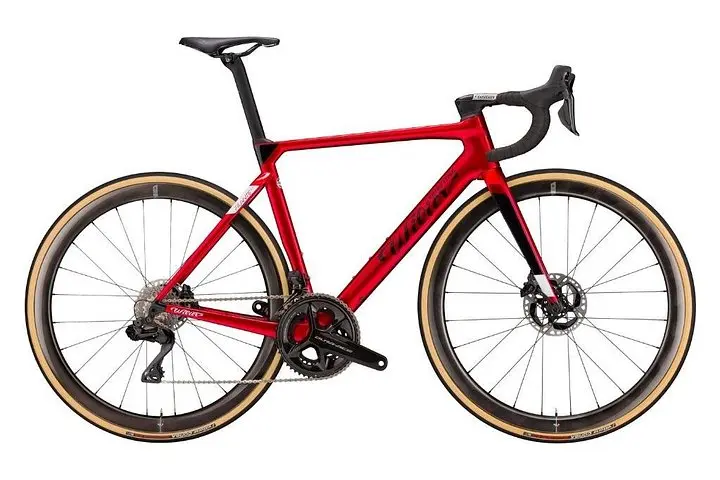
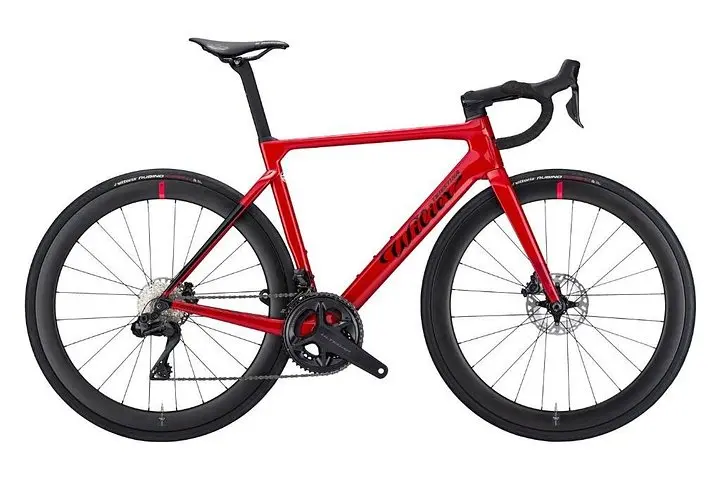
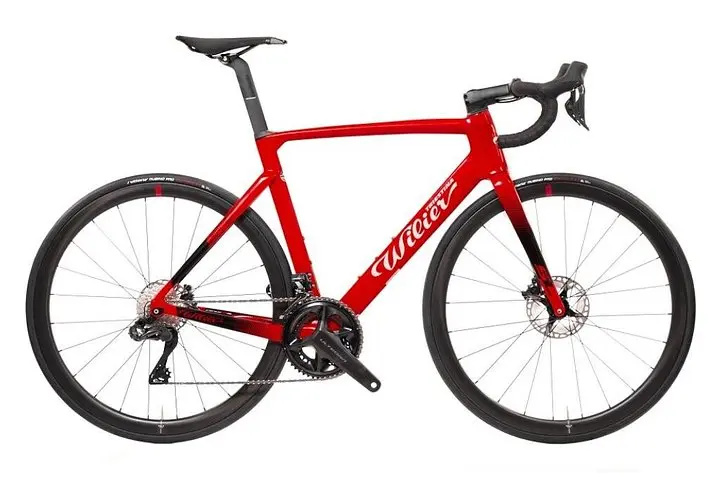
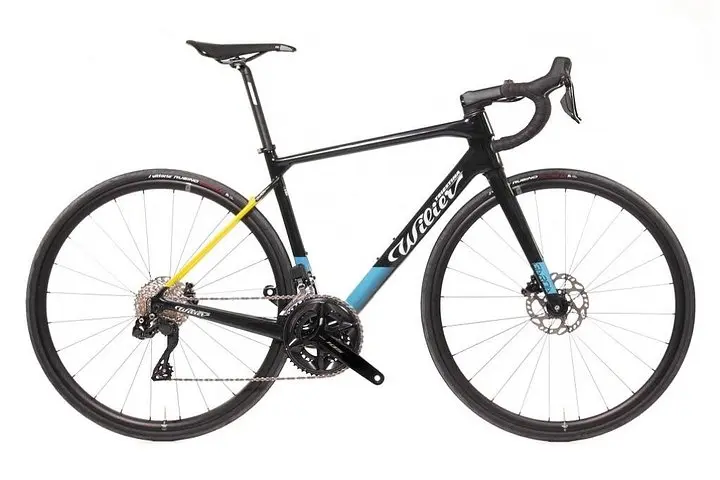
You step out of Palma’s warm morning light onto a rig that feels like it belongs at home — clean cables, tuned derailleurs, a full carbon frame waiting with a bottle in its cage. The island smells of pine resin and the sea; the road ahead either climbs into the limestone teeth of the Serra de Tramuntana or slides along glassy coves.
You step out of Palma’s warm morning light onto a rig that feels like it belongs at home — clean cables, tuned derailleurs, a full carbon frame waiting with a bottle in its cage. The island smells of pine resin and the sea; the road ahead either climbs into the limestone teeth of the Serra de Tramuntana or slides along glassy coves.
Mallorca has been a cycling destination for decades. The Tramuntana range, a UNESCO World Heritage landscape, is ancient limestone folded and carved by water; terraces and stone walls tell of small-scale farming and seasonal migration. Villages such as Valldemossa and Deià carry a literary and musical heritage that rewards a pause between climbs.
Expect wide variation: flat coastal rides of 20–40 km are common, while classic loops into the Tramuntana can reach 80–120 km with 1,000–2,000 m of elevation gain on steep, technical descents. Roads alternate between smooth tarmac and narrow cliffside turns; wind off the Mediterranean pushes and tests you in exposed sections.
Practical guidance: choose an e‑bike for long ascents or a full‑carbon road bike for sustained speed. Carry at least 1–1.5 L of water for short rides, more for hot summer days; a compact repair kit and knowledge of basic puncture repair are essential. Start early to avoid midday heat and tourist traffic; many rental operators include insurance, a backpack, bottle and a bicycle card—confirm helmet availability before pickup. Ride predictably, respect narrow mountain lanes, and plan your return with daylight and local bus options in mind.
Frequently asked questions
Standard rentals include insurance, a backpack, bicycle card and bottle; spare parts are available—confirm exact inclusions when booking.
Yes—A‑class options include e‑bikes; battery range varies with model and terrain, so plan for charging or shorter routes on big climbs.
Bikes are typically set and ready on arrival so you can leave immediately; check pickup location and any delivery options with the operator.
Specialized infant seats and child‑friendly options are available—confirm age and weight limits when booking.
About This Experience
Rompelberg Cycling Holidays operates guided outdoor trips and adventures with an emphasis on safety, stewardship, and memorable experiences.
Adventure tips
Recommended gear
- Helmet: Protective helmet for all rides; confirm if rental includes one.
- Mini tool & spare tube: Allows roadside repairs for punctures and minor adjustments.
- Hydration pack or bottles: Carry at least 1–1.5 L water; summer days demand more.
- Light wind/rain jacket: Thin, packable layer for cool mornings and exposed descents.
Photos of the experience
Related adventures & guides
Read the full experience
You step out of Palma’s warm morning light onto a rig that feels like it belongs at home — clean cables, tuned derailleurs, a full carbon frame waiting with a bottle in its cage. The island smells of pine resin and the sea; the road ahead either climbs into the limestone teeth of the Serra de Tramuntana or slides along glassy coves.
You step out of Palma’s warm morning light onto a rig that feels like it belongs at home — clean cables, tuned derailleurs, a full carbon frame waiting with a bottle in its cage. The island smells of pine resin and the sea; the road ahead either climbs into the limestone teeth of the Serra de Tramuntana or slides along glassy coves.
Mallorca has been a cycling destination for decades. The Tramuntana range, a UNESCO World Heritage landscape, is ancient limestone folded and carved by water; terraces and stone walls tell of small-scale farming and seasonal migration. Villages such as Valldemossa and Deià carry a literary and musical heritage that rewards a pause between climbs.
Expect wide variation: flat coastal rides of 20–40 km are common, while classic loops into the Tramuntana can reach 80–120 km with 1,000–2,000 m of elevation gain on steep, technical descents. Roads alternate between smooth tarmac and narrow cliffside turns; wind off the Mediterranean pushes and tests you in exposed sections.
Practical guidance: choose an e‑bike for long ascents or a full‑carbon road bike for sustained speed. Carry at least 1–1.5 L of water for short rides, more for hot summer days; a compact repair kit and knowledge of basic puncture repair are essential. Start early to avoid midday heat and tourist traffic; many rental operators include insurance, a backpack, bottle and a bicycle card—confirm helmet availability before pickup. Ride predictably, respect narrow mountain lanes, and plan your return with daylight and local bus options in mind.
Make a day of it nearby.
Verified experiences and guided adventures in the surrounding area.