THE ADVENTURE COLLECTIVE® · Independent discovery and booking for outdoor travel

Cross cliffs by bus, plunge into the Torrent de Pareis at Sa Calobra, cruise the north coast, and ride a century-old train back to Palma—an eight-hour splice of Mallorca’s coastal drama and cultural history.
Cross cliffs by bus, plunge into the Torrent de Pareis at Sa Calobra, cruise the north coast, and ride a century-old train back to Palma—an eight-hour splice of Mallorca’s coastal drama and cultural history.
A wind shears across Palma’s harbor as the group gathers on the Camí de la Escollera, passports and sunglasses in hand, ready for a day that stitches together sea, valley and rails. By bus the island peels away: citrus orchards slide into terraced stone, and the road climbs the Serra de Tramuntana—Mallorca’s rugged spine—until the road drops in a series of hairpins toward Sa Calobra. The sea waits below, bright and impatient.
Verified experiences and guided adventures in the surrounding area.
Operated by Fun and Tickets · Palma de Mallorca, Balearic Islands
A wind shears across Palma’s harbor as the group gathers on the Camí de la Escollera, passports and sunglasses in hand, ready for a day that stitches together sea, valley and rails. By bus the island peels away: citrus orchards slide into terraced stone, and the road climbs the Serra de Tramuntana—Mallorca’s rugged spine—until the road drops in a series of hairpins toward Sa Calobra. The sea waits below, bright and impatient.
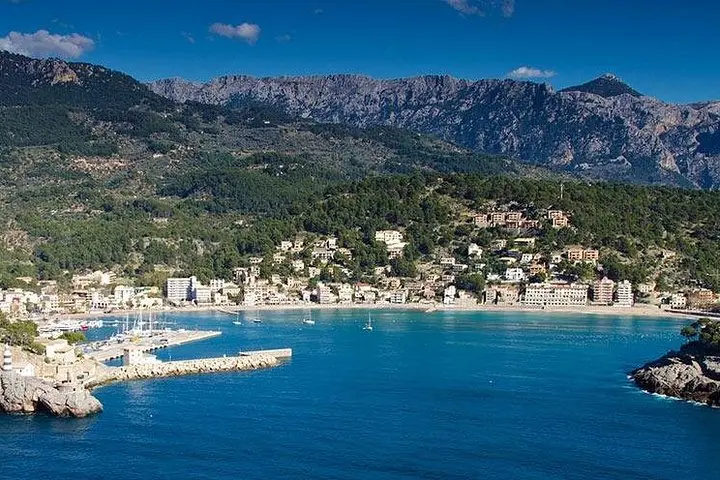
Sa Calobra is abrupt—a small pebble cove hemmed in by limestone walls. The Torrent de Pareis carves a throat through the mountains and meets the Mediterranean here, its gorge daring you to walk upstream and read the rock layers worn by millennia of winter floods. In summer, the cove becomes a tableau of sunbathers and turquoise water; in shoulder seasons, the cliffs are quieter, the waves more introspective.
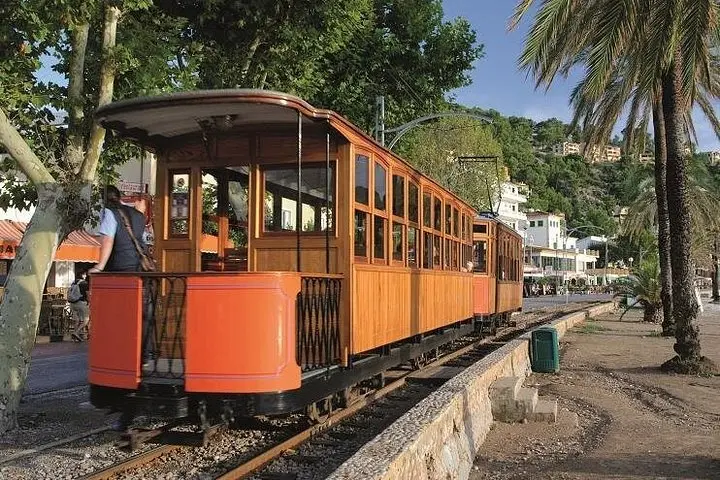
The tour threads history into its route. The Serra de Tramuntana, a UNESCO World Heritage site, shows centuries of dry-stone terraces and water channels engineered by islanders. Sóller’s narrow-gauge train—running since 1912—once carried oranges to Palma’s port; its wooden carriages creak with that commerce-era rhythm as they thread through tunnels and olive groves back to the capital. The vintage tram that connects Port de Sóller to the town still smells faintly of oil and salt, a living link to early 20th-century island life.
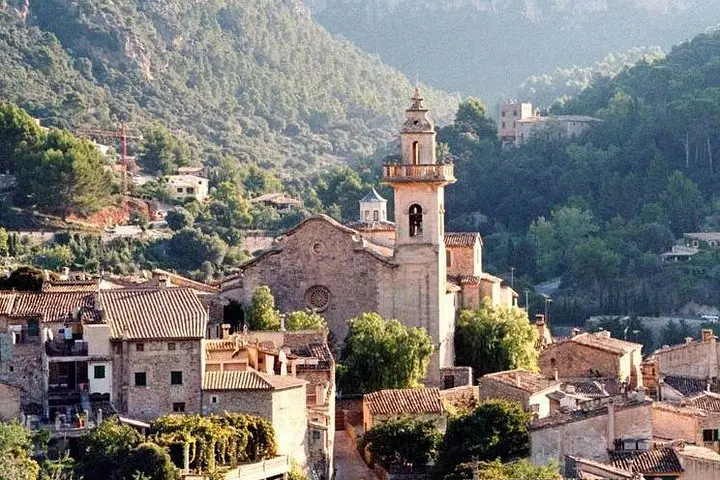
Geology is legible here: pale limestone cliffs folded and faulted, scree slopes feeding the Torrent’s bed, and the Mediterranean’s relentless polishing at sea level. Culturally, the valley towns keep a slower pace—cafés under plane trees, fishermen mending nets, and a tradition of citrus cultivation visible everywhere.
Practically, expect an eight-hour day that mixes bus, boat and historic rail. There’s a 90-minute break at Sa Calobra for swimming or lunch (not included), a boat crossing to Port de Sóller weather permitting, and time in Sóller to ride the tram and board the century-old train to Palma. Wear sturdy sandals or trainers for the beach approach and the short gorge walk; bring layers—the mountain wind can be sharp even on sunny days. Motion sensitivity is common on the coastal boat segments and the twisting access road; take precautions if you’re prone to seasickness.
Local guides handle tickets for train, tram and boat, and pickups can be arranged from southern hotels with prior confirmation. This is a day built for sensory variety: limestone that feels like paper, a sea that insists on blue, and a train that slows you down long enough to notice the landscape’s small, stubborn details.
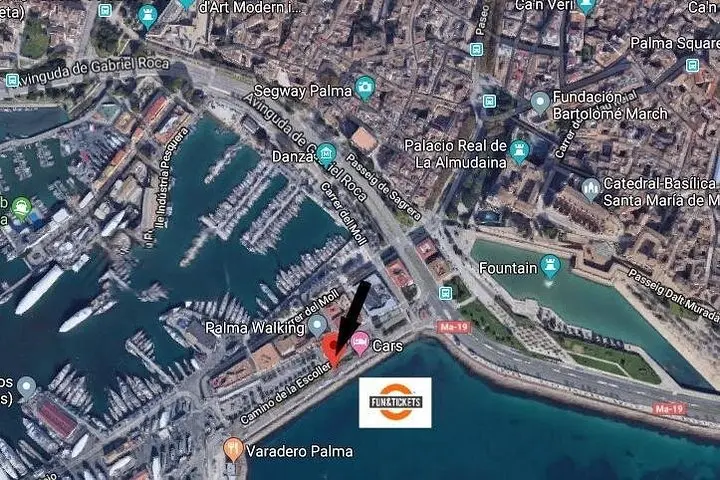
The meeting point is Camí de la Escollera in Palma; hotel pickup from southern Mallorca can be requested the day before by calling the supplier.
No—there’s a 90-minute lunch break at Sa Calobra where you can buy food or bring a picnic arranged through your hotel.
If sea conditions are unsafe the boat segment may be replaced by coach travel via Puig Major; the operator monitors conditions and adapts the route.
Yes—stroller access and infant seats are available, and the tour is rated physically easy, though parents should supervise beach and cliff areas.
The vintage train segment is roughly 40–60 minutes depending on schedule and stops; expect a nostalgic, slower-paced journey.
The tour is generally accessible but includes transfers and short uneven walks; contact the supplier in advance to discuss individual needs.
Fun and Tickets operates guided outdoor trips and adventures with an emphasis on safety, stewardship, and memorable experiences.
A wind shears across Palma’s harbor as the group gathers on the Camí de la Escollera, passports and sunglasses in hand, ready for a day that stitches together sea, valley and rails. By bus the island peels away: citrus orchards slide into terraced stone, and the road climbs the Serra de Tramuntana—Mallorca’s rugged spine—until the road drops in a series of hairpins toward Sa Calobra. The sea waits below, bright and impatient.
A wind shears across Palma’s harbor as the group gathers on the Camí de la Escollera, passports and sunglasses in hand, ready for a day that stitches together sea, valley and rails. By bus the island peels away: citrus orchards slide into terraced stone, and the road climbs the Serra de Tramuntana—Mallorca’s rugged spine—until the road drops in a series of hairpins toward Sa Calobra. The sea waits below, bright and impatient.
Sa Calobra is abrupt—a small pebble cove hemmed in by limestone walls. The Torrent de Pareis carves a throat through the mountains and meets the Mediterranean here, its gorge daring you to walk upstream and read the rock layers worn by millennia of winter floods. In summer, the cove becomes a tableau of sunbathers and turquoise water; in shoulder seasons, the cliffs are quieter, the waves more introspective.
The tour threads history into its route. The Serra de Tramuntana, a UNESCO World Heritage site, shows centuries of dry-stone terraces and water channels engineered by islanders. Sóller’s narrow-gauge train—running since 1912—once carried oranges to Palma’s port; its wooden carriages creak with that commerce-era rhythm as they thread through tunnels and olive groves back to the capital. The vintage tram that connects Port de Sóller to the town still smells faintly of oil and salt, a living link to early 20th-century island life.
Geology is legible here: pale limestone cliffs folded and faulted, scree slopes feeding the Torrent’s bed, and the Mediterranean’s relentless polishing at sea level. Culturally, the valley towns keep a slower pace—cafés under plane trees, fishermen mending nets, and a tradition of citrus cultivation visible everywhere.
Practically, expect an eight-hour day that mixes bus, boat and historic rail. There’s a 90-minute break at Sa Calobra for swimming or lunch (not included), a boat crossing to Port de Sóller weather permitting, and time in Sóller to ride the tram and board the century-old train to Palma. Wear sturdy sandals or trainers for the beach approach and the short gorge walk; bring layers—the mountain wind can be sharp even on sunny days. Motion sensitivity is common on the coastal boat segments and the twisting access road; take precautions if you’re prone to seasickness.
Local guides handle tickets for train, tram and boat, and pickups can be arranged from southern hotels with prior confirmation. This is a day built for sensory variety: limestone that feels like paper, a sea that insists on blue, and a train that slows you down long enough to notice the landscape’s small, stubborn details.