
Mallorca Full-Day: Train, Tram, Boat & Bus Through the Serra de Tramuntana
Spend a full day crossing Mallorca by coach, boat, tram and the 1912 Sóller train—see the Monastery of Lluc, Sa Calobra’s cliffs, and the orange groves of Port de Sóller. This practical guide outlines what to expect, how to prepare, and local tips for a smooth island loop.
An Adventure In Palma de Mallorca.
Spend a full day crossing Mallorca by coach, boat, tram and the 1912 Sóller train—see the Monastery of Lluc, Sa Calobra’s cliffs, and the orange groves of Port de Sóller. This practical guide outlines what to expect, how to prepare, and local tips for a smooth island loop.
Read the full experience
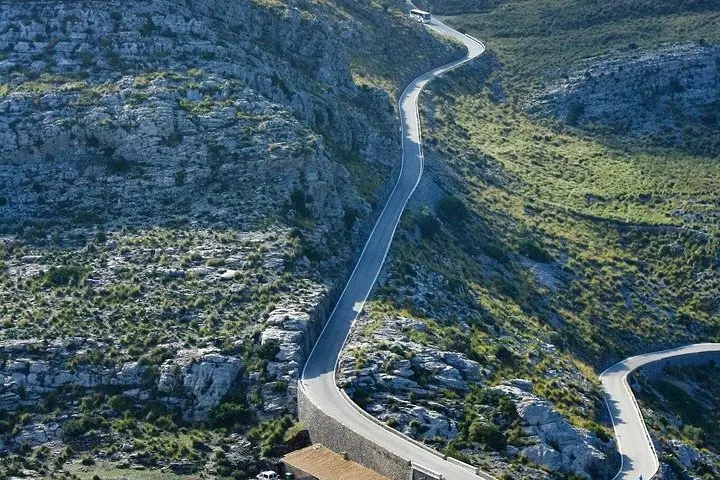
The day opens on a cool Palma morning as the coach eases out of town and the Tramuntana mountains grow taller in the windshield—craggy ridges that seem to dare you higher. Passengers trade city streets for twisty coastal road, then step out at the Monastery of Lluc to feel a centuries-old pilgrimage site underfoot: stone courtyards, a small basilica, and the hush of mountain pines.
The day opens on a cool Palma morning as the coach eases out of town and the Tramuntana mountains grow taller in the windshield—craggy ridges that seem to dare you higher. Passengers trade city streets for twisty coastal road, then step out at the Monastery of Lluc to feel a centuries-old pilgrimage site underfoot: stone courtyards, a small basilica, and the hush of mountain pines.
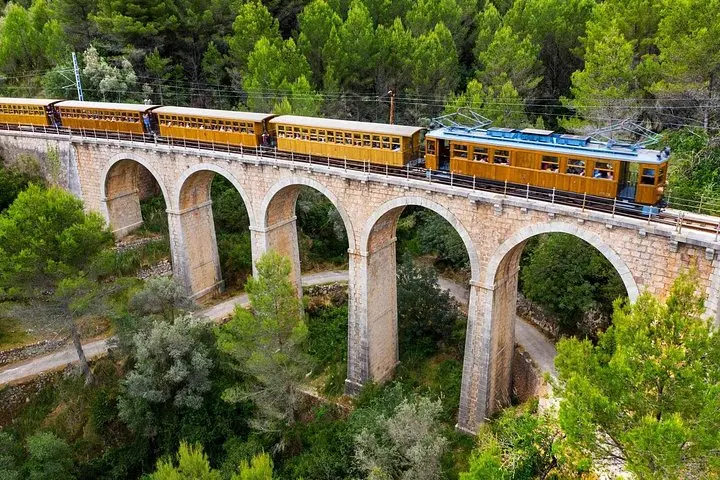
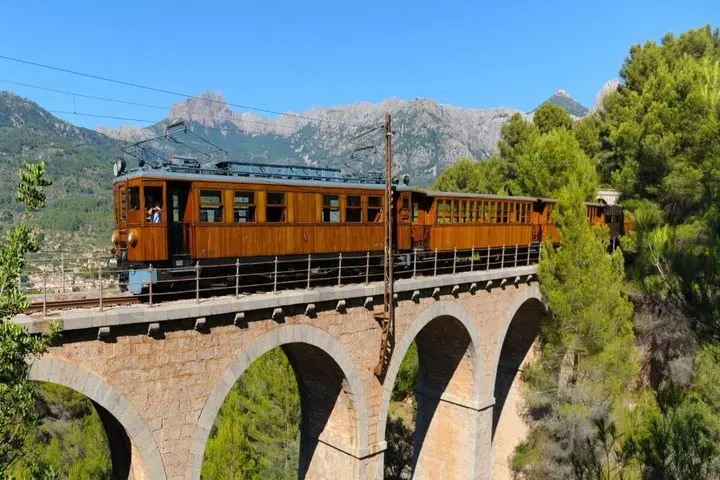
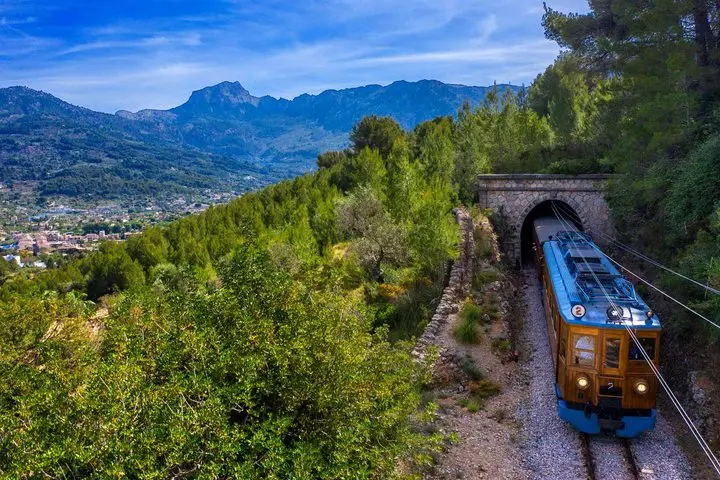
This loop stitches together Mallorca’s layered history. The Serra de Tramuntana, carved from limestone, shelters terraces and villages shaped by agrarian life and maritime trade; it became a UNESCO World Heritage Site for that living landscape. Geology shows where rivers once cut dramatic gorges—Sa Calobra and Torrent de Pareis remain raw, vertical and wind-sculpted. Culturally, the Sóller train and 1912 wooden carriages recall early 20th‑century island travel; the Sóller tram threads through orange groves to the port, a reminder of local citrus commerce.
Expect a mix of short walks, photo stops and a 40-minute coastal boat crossing to Port de Sóller, then a tram ride and the historic train back to Palma. Practical details matter: bring layered clothing for shifting coastal winds, a sturdy pair of shoes for rocky viewpoints, and a small daypack for water and snacks. Plan for an 8‑hour day with moderate activity—plenty of sightseeing but also on/off the bus several times. Peak photographic light happens early and late; mornings clear for mountain vistas, while afternoons soften on the sea. By day’s end the island has revealed itself in pieces—cliffs, monastery, orange-lined tracks—and left enough room to want a second pass.
Frequently asked questions
Pickup is coordinated around Palma with times between roughly 8:15–9:25; the tour returns to Palma at the end of the day.
Yes—the 40-minute coastal boat ride between La Calobra area and Port de Sóller is part of the itinerary.
Yes—infants and small children can use strollers on board coaches, but expect short walks and some uneven ground at viewpoints.
Food and drinks are not typically included; there are opportunities to buy refreshments in Port de Sóller and at Lluc.
About This Experience
TOP TOURS MALLORCA operates guided outdoor trips and adventures with an emphasis on safety, stewardship, and memorable experiences.
Adventure tips
Recommended gear
- Sturdy walking shoes: Good traction for rocky viewpoints and village streets.
- Layered jacket: Coastal winds and mountain shade can be cool even on sunny days.
- Sun protection (hat, sunscreen): Open coastal stretches and tram sections offer little shade.
- Small daypack with water: Keeps water, snacks and camera accessible during short walks and boat crossings.
Photos of the experience
Related adventures & guides
Read the full experience
The day opens on a cool Palma morning as the coach eases out of town and the Tramuntana mountains grow taller in the windshield—craggy ridges that seem to dare you higher. Passengers trade city streets for twisty coastal road, then step out at the Monastery of Lluc to feel a centuries-old pilgrimage site underfoot: stone courtyards, a small basilica, and the hush of mountain pines.
The day opens on a cool Palma morning as the coach eases out of town and the Tramuntana mountains grow taller in the windshield—craggy ridges that seem to dare you higher. Passengers trade city streets for twisty coastal road, then step out at the Monastery of Lluc to feel a centuries-old pilgrimage site underfoot: stone courtyards, a small basilica, and the hush of mountain pines.
This loop stitches together Mallorca’s layered history. The Serra de Tramuntana, carved from limestone, shelters terraces and villages shaped by agrarian life and maritime trade; it became a UNESCO World Heritage Site for that living landscape. Geology shows where rivers once cut dramatic gorges—Sa Calobra and Torrent de Pareis remain raw, vertical and wind-sculpted. Culturally, the Sóller train and 1912 wooden carriages recall early 20th‑century island travel; the Sóller tram threads through orange groves to the port, a reminder of local citrus commerce.
Expect a mix of short walks, photo stops and a 40-minute coastal boat crossing to Port de Sóller, then a tram ride and the historic train back to Palma. Practical details matter: bring layered clothing for shifting coastal winds, a sturdy pair of shoes for rocky viewpoints, and a small daypack for water and snacks. Plan for an 8‑hour day with moderate activity—plenty of sightseeing but also on/off the bus several times. Peak photographic light happens early and late; mornings clear for mountain vistas, while afternoons soften on the sea. By day’s end the island has revealed itself in pieces—cliffs, monastery, orange-lined tracks—and left enough room to want a second pass.
Make a day of it nearby.
Verified experiences and guided adventures in the surrounding area.