THE ADVENTURE COLLECTIVE® · Independent discovery and booking for outdoor travel

Trade the east-coast beaches for a full-day loop through Tramuntana cliffs, sea caves, and century-old railways. From the winding Sa Calobra road to a boat ride into Port de Sóller and the historic Soller train, this is Mallorca by road, rail and sea.
Trade the east-coast beaches for a full-day loop through Tramuntana cliffs, sea caves, and century-old railways. From the winding Sa Calobra road to a boat ride into Port de Sóller and the historic Soller train, this is Mallorca by road, rail and sea.
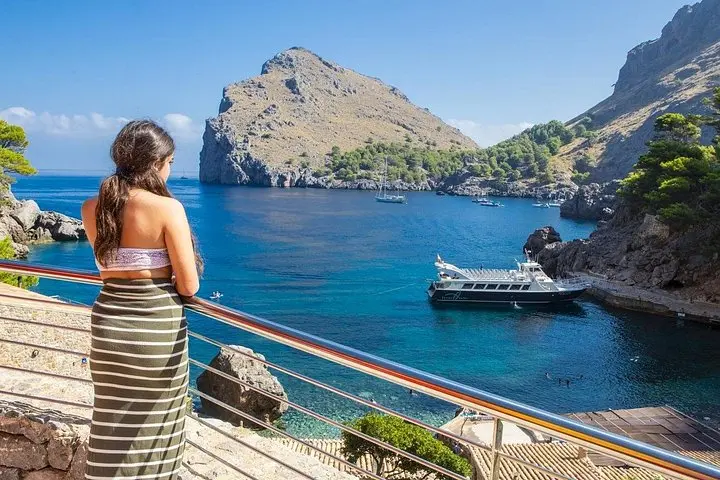
The day opens in Cala Millor with the hiss of air conditioning and a line of suitcases on the coach — a collection of travelers trading the flat east coast for the raw, folded spine of the Serra de Tramuntana. By the time the bus climbs out of the lowlands, the sea keeps pace on one side like an old companion daring you to look away; on the other, terraces of olive and pine tighten against a road cut in 1932 that coils down to Sa Calobra.
Verified experiences and guided adventures in the surrounding area.
Operated by Nofrills Excursions · Cala Millor, Mallorca
The day opens in Cala Millor with the hiss of air conditioning and a line of suitcases on the coach — a collection of travelers trading the flat east coast for the raw, folded spine of the Serra de Tramuntana. By the time the bus climbs out of the lowlands, the sea keeps pace on one side like an old companion daring you to look away; on the other, terraces of olive and pine tighten against a road cut in 1932 that coils down to Sa Calobra.
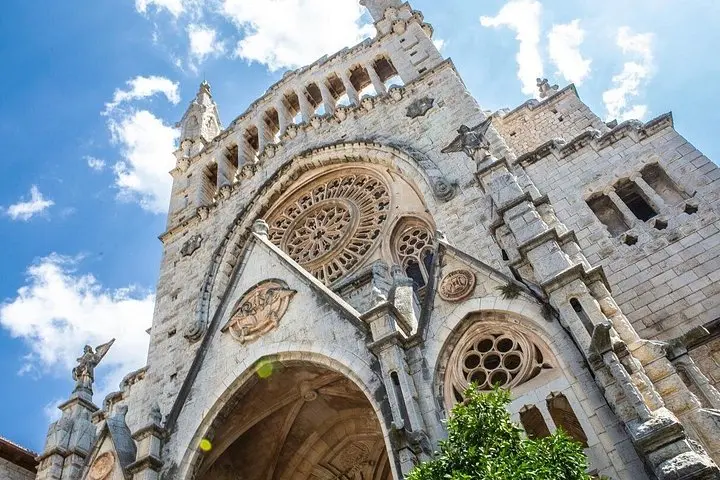
This is a route shaped by water and stone. The Torrent de Pareis, a limestone gorge more than three kilometers long, carved the inlet at Sa Calobra over millennia; its cliffs still smell faintly of salt and rain. The winding road to the cove — 13 kilometers of hairpins and exposed shoulder — was an engineering response to a landscape that refused to surrender. Later in the day, the wooden Soller train, first launched in 1912, threads through tunnels and citrus orchards, a century-old machine that reads the island’s agricultural history in the faded paint of station signs.
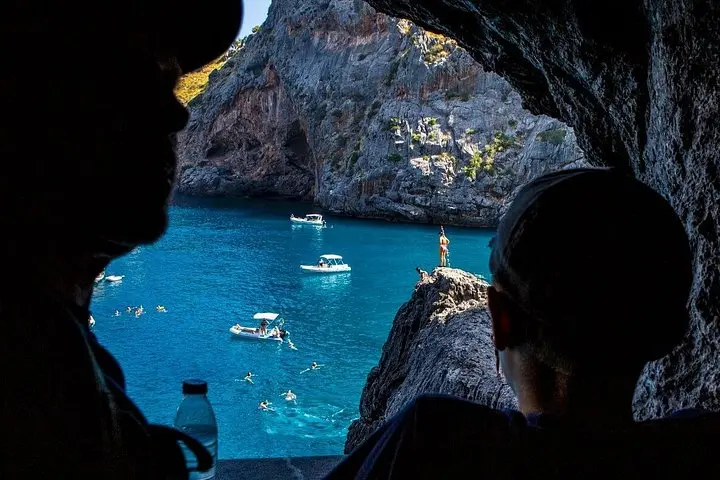
Culturally, the loop stitches together small coastal lives: fisher cafes on pebble beaches, defensive watchtowers built when corsairs prowled these waters, and Soller’s orange groves that once funded a transatlantic mercantile link. The boat leg between Sa Calobra and Port de Sóller runs 50 minutes and offers a cinematic view of sea cliffs, caves, and watchtowers — a marine perspective that reframes everything you saw from the road.
Practicalities shape the day as much as scenery. Expect an 8–9 hour door-to-door excursion with multiple transport modes — coach, short walks on uneven surfaces at viewpoints, a 40–50 minute boat crossing, a 25-minute tram ride and a 50-minute historic train run. Free time in Sa Calobra gives you a chance to climb into the gorge mouth, buy a sandwich, or simply cool off at the small pebble beach.
Plan like a local: wear sturdy walking shoes with non-slip soles for rock and beach access, bring layered sun protection, and pack motion-sickness remedies if you’re prone to seasickness — the boat crossing exposes you to open swell on windy days. Hydrate early; cafés are available but can be busy. Accessibility is generally good for boarding transport, but some viewpoints and the Torrent de Pareis access are rugged.
For photographers and slow travelers, the contrast between cliff light in the morning and the warm long shadows on the train through orange groves in late afternoon rewards patience. In short: this is a day of changing perspectives — the island insisting you see it from road, sea, rail, and foot.
The tour departs from a meet point in Cala Millor (outside the hotel children’s play area) and returns to the same spot at the end of the day.
Yes — the tour is listed as physically easy and vehicles are wheelchair accessible, though some viewpoints and the Torrent de Pareis access are uneven and may be challenging.
No — lunch and snacks are at your own expense during free time in Sa Calobra or in Port de Sóller.
The scheduled boat crossing between Sa Calobra and Port de Sóller is about 40–50 minutes depending on conditions.
An official authorised guide of Mallorca accompanies the tour; check the booking page for available language options or inquire by email before your trip.
Full refund if you cancel at least 24 hours before departure; no refund within 24 hours of the tour start.
Nofrills Excursions operates guided outdoor trips and adventures with an emphasis on safety, stewardship, and memorable experiences.

The day opens in Cala Millor with the hiss of air conditioning and a line of suitcases on the coach — a collection of travelers trading the flat east coast for the raw, folded spine of the Serra de Tramuntana. By the time the bus climbs out of the lowlands, the sea keeps pace on one side like an old companion daring you to look away; on the other, terraces of olive and pine tighten against a road cut in 1932 that coils down to Sa Calobra.
The day opens in Cala Millor with the hiss of air conditioning and a line of suitcases on the coach — a collection of travelers trading the flat east coast for the raw, folded spine of the Serra de Tramuntana. By the time the bus climbs out of the lowlands, the sea keeps pace on one side like an old companion daring you to look away; on the other, terraces of olive and pine tighten against a road cut in 1932 that coils down to Sa Calobra.
This is a route shaped by water and stone. The Torrent de Pareis, a limestone gorge more than three kilometers long, carved the inlet at Sa Calobra over millennia; its cliffs still smell faintly of salt and rain. The winding road to the cove — 13 kilometers of hairpins and exposed shoulder — was an engineering response to a landscape that refused to surrender. Later in the day, the wooden Soller train, first launched in 1912, threads through tunnels and citrus orchards, a century-old machine that reads the island’s agricultural history in the faded paint of station signs.
Culturally, the loop stitches together small coastal lives: fisher cafes on pebble beaches, defensive watchtowers built when corsairs prowled these waters, and Soller’s orange groves that once funded a transatlantic mercantile link. The boat leg between Sa Calobra and Port de Sóller runs 50 minutes and offers a cinematic view of sea cliffs, caves, and watchtowers — a marine perspective that reframes everything you saw from the road.
Practicalities shape the day as much as scenery. Expect an 8–9 hour door-to-door excursion with multiple transport modes — coach, short walks on uneven surfaces at viewpoints, a 40–50 minute boat crossing, a 25-minute tram ride and a 50-minute historic train run. Free time in Sa Calobra gives you a chance to climb into the gorge mouth, buy a sandwich, or simply cool off at the small pebble beach.
Plan like a local: wear sturdy walking shoes with non-slip soles for rock and beach access, bring layered sun protection, and pack motion-sickness remedies if you’re prone to seasickness — the boat crossing exposes you to open swell on windy days. Hydrate early; cafés are available but can be busy. Accessibility is generally good for boarding transport, but some viewpoints and the Torrent de Pareis access are rugged.
For photographers and slow travelers, the contrast between cliff light in the morning and the warm long shadows on the train through orange groves in late afternoon rewards patience. In short: this is a day of changing perspectives — the island insisting you see it from road, sea, rail, and foot.