THE ADVENTURE COLLECTIVE® · Independent discovery and booking for outdoor travel

Soar above Mallorca’s UNESCO-listed Serra de Tramuntana on a private 42-minute helicopter flight. Glide from Palma over Puig Major, dramatic cliffs and historic villages for unmatched aerial photos and perspective.
Soar above Mallorca’s UNESCO-listed Serra de Tramuntana on a private 42-minute helicopter flight. Glide from Palma over Puig Major, dramatic cliffs and historic villages for unmatched aerial photos and perspective.
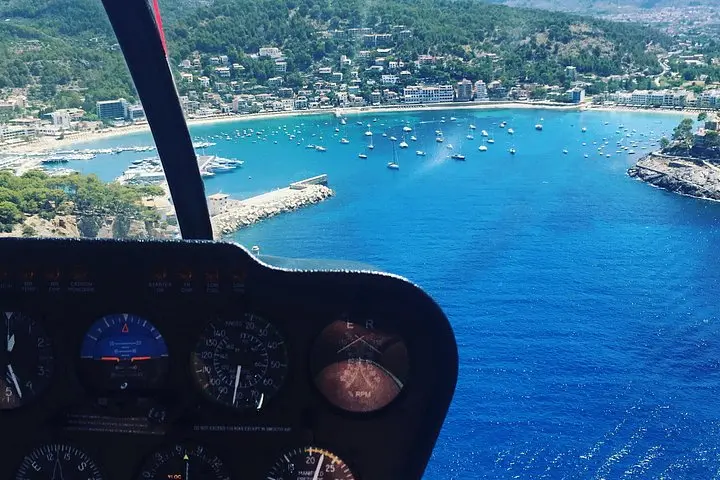
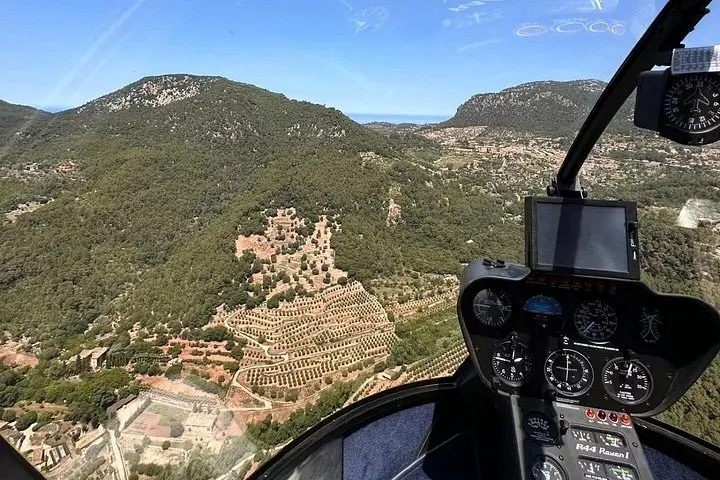
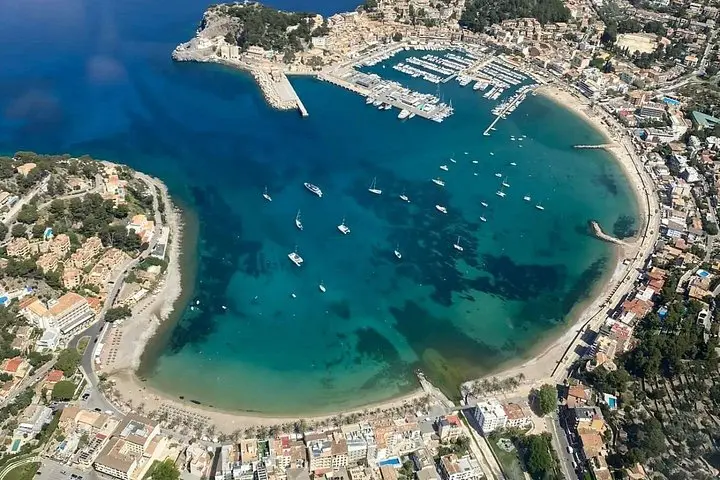
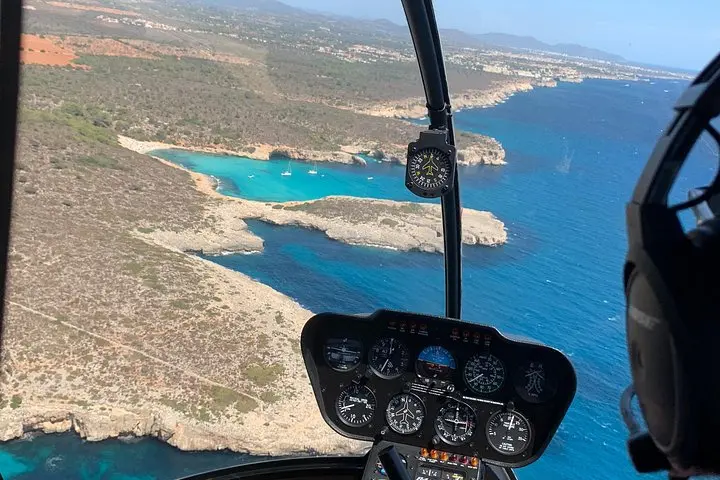
You lift off from Palma’s tarmac and the island immediately rearranges itself beneath you: the Tramuntana ridgeline cuts a jagged silhouette against the Mediterranean, cliffs drop into turquoise bays, and stone villages cling to terraces that slope toward the sea.
Verified experiences and guided adventures in the surrounding area.
Operated by The Helicopter Centre · Palma, Balearic Islands
You lift off from Palma’s tarmac and the island immediately rearranges itself beneath you: the Tramuntana ridgeline cuts a jagged silhouette against the Mediterranean, cliffs drop into turquoise bays, and stone villages cling to terraces that slope toward the sea.
The Serra de Tramuntana is both a geological spine and a cultural map. Carved by uplift and erosion, the limestone range reaches to Puig Major (1,436 m) and hosts centuries-old dry-stone terraces, olive groves, and monasteries such as Valldemossa’s charterhouse. From the air you’ll pass Deià’s clifftop houses, Sóller’s horseshoe bay and the watchful ruins of Castell d’Alaró—landmarks that tell of agricultural tradition, maritime trade, and artists drawn to dramatic light.
Expect about 42 minutes of airborne sightseeing within a 60-minute private booking window; the route targets coastal cliffs, mountain passes and the classic villages for uninterrupted photo runs. Weather dictates visibility—calm mornings and late afternoons give the sharpest light and smoother air. The experience is low physical exertion but demands basic health clearance; operators typically advise those with heart issues to consult a physician.
Practical tips: carry a camera with a short telephoto, wear a windproof layer against rotor chill, and secure loose items during boarding. Plan for airport check-in at the general aviation area of Palma de Mallorca Airport and arrive early for a safety briefing. Operators may cancel in poor weather; pack patience and a charged device to capture the island’s dramatic contrasts when conditions align.
The advertised experience is a 60‑minute booking that typically includes about 42 minutes of flight over the Tramuntana and coast for photography and sightseeing.
Departures are organized from the general aviation area at Palma de Mallorca Airport—look for the operator at the ‘Aviacion General’ entry and arrive early for check-in.
The listing notes wheelchair accessibility for ramped areas, but boarding a helicopter can require stepping up; check with the operator in advance to confirm accommodations.
Flights are subject to cancellation for safety in poor visibility or strong winds; operators will refund if cancelled at least 24 hours before or promptly if weather prevents flying.
The Helicopter Centre operates guided outdoor trips and adventures with an emphasis on safety, stewardship, and memorable experiences.
You lift off from Palma’s tarmac and the island immediately rearranges itself beneath you: the Tramuntana ridgeline cuts a jagged silhouette against the Mediterranean, cliffs drop into turquoise bays, and stone villages cling to terraces that slope toward the sea.
You lift off from Palma’s tarmac and the island immediately rearranges itself beneath you: the Tramuntana ridgeline cuts a jagged silhouette against the Mediterranean, cliffs drop into turquoise bays, and stone villages cling to terraces that slope toward the sea.
The Serra de Tramuntana is both a geological spine and a cultural map. Carved by uplift and erosion, the limestone range reaches to Puig Major (1,436 m) and hosts centuries-old dry-stone terraces, olive groves, and monasteries such as Valldemossa’s charterhouse. From the air you’ll pass Deià’s clifftop houses, Sóller’s horseshoe bay and the watchful ruins of Castell d’Alaró—landmarks that tell of agricultural tradition, maritime trade, and artists drawn to dramatic light.
Expect about 42 minutes of airborne sightseeing within a 60-minute private booking window; the route targets coastal cliffs, mountain passes and the classic villages for uninterrupted photo runs. Weather dictates visibility—calm mornings and late afternoons give the sharpest light and smoother air. The experience is low physical exertion but demands basic health clearance; operators typically advise those with heart issues to consult a physician.
Practical tips: carry a camera with a short telephoto, wear a windproof layer against rotor chill, and secure loose items during boarding. Plan for airport check-in at the general aviation area of Palma de Mallorca Airport and arrive early for a safety briefing. Operators may cancel in poor weather; pack patience and a charged device to capture the island’s dramatic contrasts when conditions align.