THE ADVENTURE COLLECTIVE® · Independent discovery and booking for outdoor travel

Spend a full day on Mallorca’s limestone cliffs with local guides who match crags to skill and weather. From sport routes to deep water soloing, this private tour blends instruction, remote views and the chance to swim off a sea cliff afterward.
Spend a full day on Mallorca’s limestone cliffs with local guides who match crags to skill and weather. From sport routes to deep water soloing, this private tour blends instruction, remote views and the chance to swim off a sea cliff afterward.
The rope hums as the guide pulls it through a belay; the cliff face above you tastes of salt and sun-warmed limestone. Around you the Tramuntana ridgeline cuts a serrated horizon, while below the Mediterranean dares the base of the sea cliffs. On a seven‑hour day with a local guide, Mallorca’s rock goes from classroom to playground — pockets and tufas for sport routes, narrow faces for hands-on coaching, and sheer sea-edges that invite the single-rope freedom of deep water soloing.
Verified experiences and guided adventures in the surrounding area.
Operated by Mallorca Mountains · Palma de Mallorca, Balearic Islands
The rope hums as the guide pulls it through a belay; the cliff face above you tastes of salt and sun-warmed limestone. Around you the Tramuntana ridgeline cuts a serrated horizon, while below the Mediterranean dares the base of the sea cliffs. On a seven‑hour day with a local guide, Mallorca’s rock goes from classroom to playground — pockets and tufas for sport routes, narrow faces for hands-on coaching, and sheer sea-edges that invite the single-rope freedom of deep water soloing.
Mallorca’s cliffs are not an accident of scenery. These limestone shelves were folded and uplifted over millions of years, their dissolved pockets and sharp edges a record of the island’s marine past. The Serra de Tramuntana, a UNESCO World Heritage landscape, has long been a crossroads for shepherds, fishermen and now climbers who read the rock the way earlier generations read weather and pasture.
Local guides here blend technical skill with a cultural fluency: an awareness of nesting seasons on cliff ledges, the best shaded crags in high summer, and which coves still feel remote. A full day can be customized — sport routes on bolted crags for practicing lead climbing, bouldering for movement and technique, or DWS (deep water soloing) where the sea takes your fall. Groups run small (3–8 people), and guides supply communal ropes, harness-compatible hardware and instruction; climbers generally bring personal items like harnesses and shoes.
Practical realities matter. Expect a full day on variable terrain: approach paths that can be steep and rocky, short scrambles, and sometimes exposed anchor stations. Fitness needs are moderate — you should be comfortable hiking a few hundred meters of elevation gain across uneven trails and ready for several climbing pitches. Weather shifts fast on the coast, so guides choose crags by sun, wind and sea state.
Plan logistics: meet at the booking store in Palma or the designated pickup, carry ID (passport details are required at booking), and bring a compact daypack with water, snacks, and swimwear for a post-climb dip. Footwear is key: sticky climbing shoes for routes and sturdy trail shoes for approaches. Sunscreen and a light long-sleeve are worth their weight here — the limestone reflects heat and the midday sun can be sharp.
The payoff is immediate: the tactile reward of clean holds, the sudden quiet of a cliff you chose for solitude, and the turquoise seam of sea that testifies to why climbers keep coming back. Whether you’re clipping bolts for the first time under a patient guide or committing to a daring DWS line, Mallorca packages technical climbing, Mediterranean culture and a coastline that keeps challenging you to push a little higher.
No — guides adapt routes to your level and will teach basics like belaying and movement, though some comfort with heights and basic fitness helps.
DWS means climbing over water without ropes; guides choose safe sea conditions and access points, but it requires swimming competence and willingness to fall into open water.
Meet at the store location in Palma provided after booking; guides will confirm the exact crag meeting point a few days before based on weather and group skill.
Transport depends on the chosen crag and booking specifics — sometimes the meeting point is at the crag or nearby; confirm transfer options with the operator.
Tours can be canceled for safety with a full refund if canceled at least 24 hours in advance; guides will reschedule or move to sheltered crags when possible.
Children can participate if they meet age and weight requirements and the guide assesses skill and maturity; check with the provider when booking.
Mallorca Mountains operates guided outdoor trips and adventures with an emphasis on safety, stewardship, and memorable experiences.
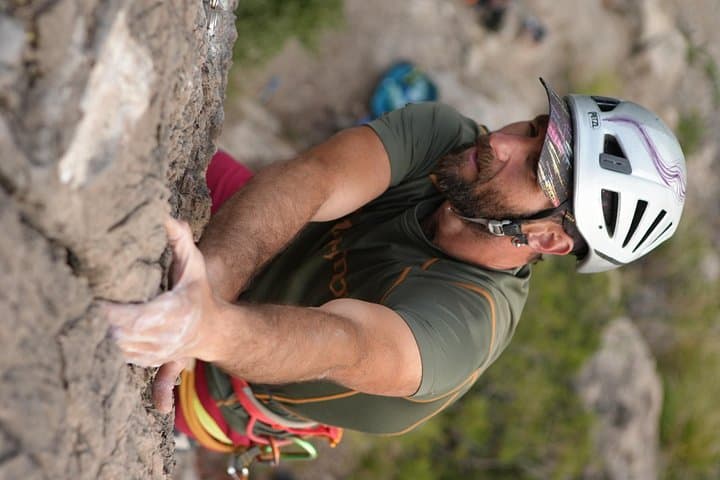


The rope hums as the guide pulls it through a belay; the cliff face above you tastes of salt and sun-warmed limestone. Around you the Tramuntana ridgeline cuts a serrated horizon, while below the Mediterranean dares the base of the sea cliffs. On a seven‑hour day with a local guide, Mallorca’s rock goes from classroom to playground — pockets and tufas for sport routes, narrow faces for hands-on coaching, and sheer sea-edges that invite the single-rope freedom of deep water soloing.
The rope hums as the guide pulls it through a belay; the cliff face above you tastes of salt and sun-warmed limestone. Around you the Tramuntana ridgeline cuts a serrated horizon, while below the Mediterranean dares the base of the sea cliffs. On a seven‑hour day with a local guide, Mallorca’s rock goes from classroom to playground — pockets and tufas for sport routes, narrow faces for hands-on coaching, and sheer sea-edges that invite the single-rope freedom of deep water soloing.
Mallorca’s cliffs are not an accident of scenery. These limestone shelves were folded and uplifted over millions of years, their dissolved pockets and sharp edges a record of the island’s marine past. The Serra de Tramuntana, a UNESCO World Heritage landscape, has long been a crossroads for shepherds, fishermen and now climbers who read the rock the way earlier generations read weather and pasture.
Local guides here blend technical skill with a cultural fluency: an awareness of nesting seasons on cliff ledges, the best shaded crags in high summer, and which coves still feel remote. A full day can be customized — sport routes on bolted crags for practicing lead climbing, bouldering for movement and technique, or DWS (deep water soloing) where the sea takes your fall. Groups run small (3–8 people), and guides supply communal ropes, harness-compatible hardware and instruction; climbers generally bring personal items like harnesses and shoes.
Practical realities matter. Expect a full day on variable terrain: approach paths that can be steep and rocky, short scrambles, and sometimes exposed anchor stations. Fitness needs are moderate — you should be comfortable hiking a few hundred meters of elevation gain across uneven trails and ready for several climbing pitches. Weather shifts fast on the coast, so guides choose crags by sun, wind and sea state.
Plan logistics: meet at the booking store in Palma or the designated pickup, carry ID (passport details are required at booking), and bring a compact daypack with water, snacks, and swimwear for a post-climb dip. Footwear is key: sticky climbing shoes for routes and sturdy trail shoes for approaches. Sunscreen and a light long-sleeve are worth their weight here — the limestone reflects heat and the midday sun can be sharp.
The payoff is immediate: the tactile reward of clean holds, the sudden quiet of a cliff you chose for solitude, and the turquoise seam of sea that testifies to why climbers keep coming back. Whether you’re clipping bolts for the first time under a patient guide or committing to a daring DWS line, Mallorca packages technical climbing, Mediterranean culture and a coastline that keeps challenging you to push a little higher.