THE ADVENTURE COLLECTIVE® · Independent discovery and booking for outdoor travel

A challenging day hike through Malolotja Nature Reserve’s highveld ridges and kloofs. Expect rocky singletrack, sweeping highland views, and close encounters with local birdlife—plan for steep sections, quick weather changes, and limited transport options.
A challenging day hike through Malolotja Nature Reserve’s highveld ridges and kloofs. Expect rocky singletrack, sweeping highland views, and close encounters with local birdlife—plan for steep sections, quick weather changes, and limited transport options.
Mornings in Malolotja begin with a sharp, cool air that moves through montane grasslands like a deliberate hand. Hikers leave the parking area and climb into ridgelines that open into long views across folded hills; streams below dare you to pause and listen as they cut through dolerite and sandstone slabs.
Verified experiences and guided adventures in the surrounding area.
Operated by Woza Nawe African Cultural Tours · Mbabane, Hhohho
Mornings in Malolotja begin with a sharp, cool air that moves through montane grasslands like a deliberate hand. Hikers leave the parking area and climb into ridgelines that open into long views across folded hills; streams below dare you to pause and listen as they cut through dolerite and sandstone slabs.
The reserve sits on highveld geology shaped by ancient lava flows and erosion, producing steep ridges, deep kloofs and sparse, fire-adapted grasslands. The Swazi people have long moved through these highlands; the area’s trail network threads past traditional grazing areas and spots where medicinal plants still grow. Birdlife—bush shrike, sugarbird—and small antelope are frequently seen along the paths, giving the landscape a lively, local character.
Expect a full-day hike: uneven, rocky trails, regular steep pitches and exposed sections that reward effort with broad panoramas. Trails are mostly singletrack and sometimes unmarked; basic navigation and a good topo or guide are advised. Start early to avoid midday heat during the rainy season, carry at least 2–3 liters of water, and wear supportive boots with firm tread. A lightweight rain shell and layers matter—the weather flips quickly at altitude.
Practicalities: the reserve is roughly a 60–90 minute drive from Mbabane by road; public transport options are limited, so plan logistics ahead. Permits and entrance fees apply, and many operators offer guided and private options for safety and local insight. With proper preparation this trail offers a concentrated taste of Eswatini’s highland wilderness—direct, physical and vividly scenic.
Typical guided or self-guided routes take about 5–6 hours, though shorter options exist; the operator lists a duration of roughly 320 minutes.
Yes—Malolotja charges entrance fees and many operators include fees in tour pricing; check with the reserve or your operator before arrival.
No—this route is recommended for fit hikers; steep, uneven terrain and long climbs make it unsuitable for those with limited fitness.
Yes—expect small antelope, various bird species like sugarbirds and bush shrikes, and other small game; wildlife sightings are common but not guaranteed.
Woza Nawe African Cultural Tours operates guided outdoor trips and adventures with an emphasis on safety, stewardship, and memorable experiences.

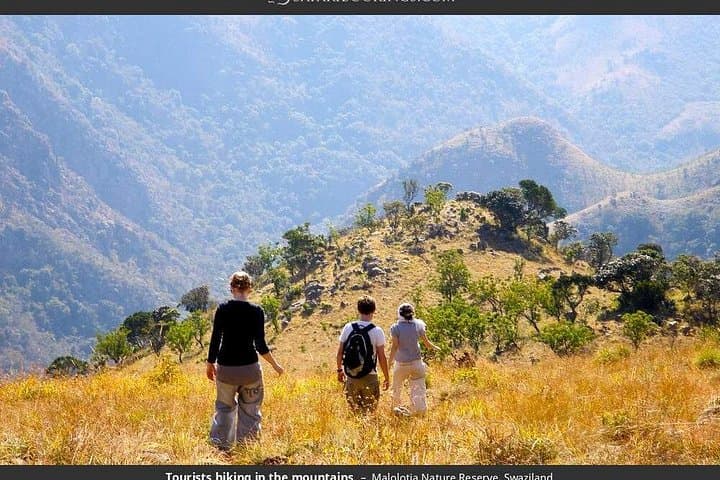


Mornings in Malolotja begin with a sharp, cool air that moves through montane grasslands like a deliberate hand. Hikers leave the parking area and climb into ridgelines that open into long views across folded hills; streams below dare you to pause and listen as they cut through dolerite and sandstone slabs.
Mornings in Malolotja begin with a sharp, cool air that moves through montane grasslands like a deliberate hand. Hikers leave the parking area and climb into ridgelines that open into long views across folded hills; streams below dare you to pause and listen as they cut through dolerite and sandstone slabs.
The reserve sits on highveld geology shaped by ancient lava flows and erosion, producing steep ridges, deep kloofs and sparse, fire-adapted grasslands. The Swazi people have long moved through these highlands; the area’s trail network threads past traditional grazing areas and spots where medicinal plants still grow. Birdlife—bush shrike, sugarbird—and small antelope are frequently seen along the paths, giving the landscape a lively, local character.
Expect a full-day hike: uneven, rocky trails, regular steep pitches and exposed sections that reward effort with broad panoramas. Trails are mostly singletrack and sometimes unmarked; basic navigation and a good topo or guide are advised. Start early to avoid midday heat during the rainy season, carry at least 2–3 liters of water, and wear supportive boots with firm tread. A lightweight rain shell and layers matter—the weather flips quickly at altitude.
Practicalities: the reserve is roughly a 60–90 minute drive from Mbabane by road; public transport options are limited, so plan logistics ahead. Permits and entrance fees apply, and many operators offer guided and private options for safety and local insight. With proper preparation this trail offers a concentrated taste of Eswatini’s highland wilderness—direct, physical and vividly scenic.