THE ADVENTURE COLLECTIVE® · Independent discovery and booking for outdoor travel

Cover Malta’s highlights in a single day: Valletta’s Baroque heart, the ancient stones of Hagar Qim, the coastal flash of the Blue Grotto, and the quiet lanes of Mdina. This practical guide tells you what to expect, what to bring, and how to pace the day.
Cover Malta’s highlights in a single day: Valletta’s Baroque heart, the ancient stones of Hagar Qim, the coastal flash of the Blue Grotto, and the quiet lanes of Mdina. This practical guide tells you what to expect, what to bring, and how to pace the day.
You step out of the air-conditioned vehicle onto a sun-warmed street in Valletta and the city opens like a lined map of history: narrow alleys, Baroque facades, and the hush of a cathedral that has watched centuries pass. The guide moves with purpose, pointing out praesidia and palaces, while the Mediterranean beyond the harbour dares you to look for signs of older lives — harbours where galleys once anchored and cliffs where currents shape the shoreline.
Verified experiences and guided adventures in the surrounding area.
Operated by Uopera tours · Valletta, Malta
You step out of the air-conditioned vehicle onto a sun-warmed street in Valletta and the city opens like a lined map of history: narrow alleys, Baroque facades, and the hush of a cathedral that has watched centuries pass. The guide moves with purpose, pointing out praesidia and palaces, while the Mediterranean beyond the harbour dares you to look for signs of older lives — harbours where galleys once anchored and cliffs where currents shape the shoreline.
This one-day circuit stitches together Malta’s major chapters. Valletta, founded by the Knights of St. John in the 1500s, contrasts directly with Hagar Qim’s neolithic megaliths, constructed around 3600–3200 BCE. The Three Cities reveal military engineering from the early modern era; Mdina’s silent streets carry Roman, medieval and Norman layers. Geologically Malta is limestone — porous, white, and shaped into sea caves like the Blue Grotto, where sunlight refracts and pushes the water into electric blues.
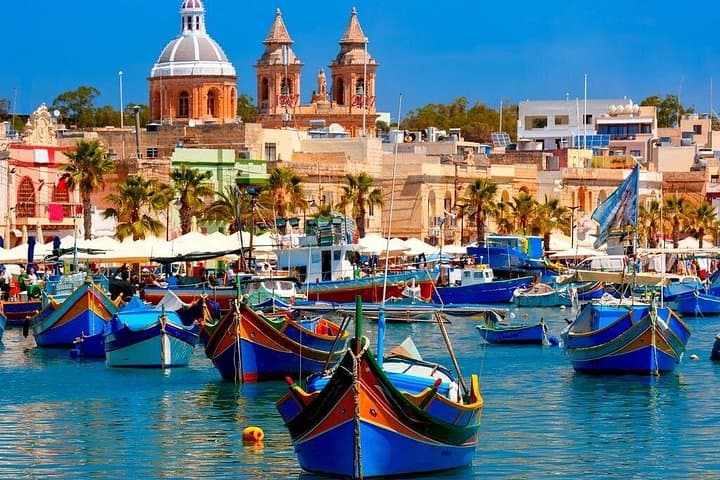
Culture shows up in small things: a fishing boat painted bright in Marsaxlokk, a plate of lampuki pie, or a dome in Mosta whose wartime story still draws locals. Expect walking on uneven streets and short coastal steps; the boat to Blue Grotto is optional and subject to sea conditions. Practicalities: wear sturdy shoes, carry 1–1.5L water, and plan for 6–8 hours including transfers. Early starts avoid crowds in Mdina and Valletta; late afternoon at Golden Bay offers calm light for photos and an easy place to finish the day before return transfer.
Yes — the tour includes all entrance tickets plus pickup and drop-off in an air-conditioned vehicle as listed.
No — boat trips are weather- and sea-condition dependent; the guide will offer alternatives if it is not running.
Expect moderate walking: short guided walks in Valletta and Mdina plus steps at Hagar Qim and optional short strolls along coastal viewpoints.
Lunch is at a local restaurant and guides can suggest dishes; communicate dietary needs at booking so your guide can arrange options.
Uopera tours operates guided outdoor trips and adventures with an emphasis on safety, stewardship, and memorable experiences.

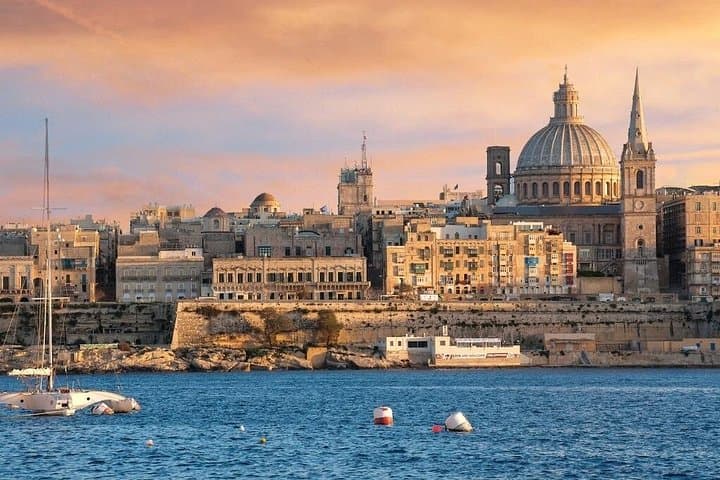
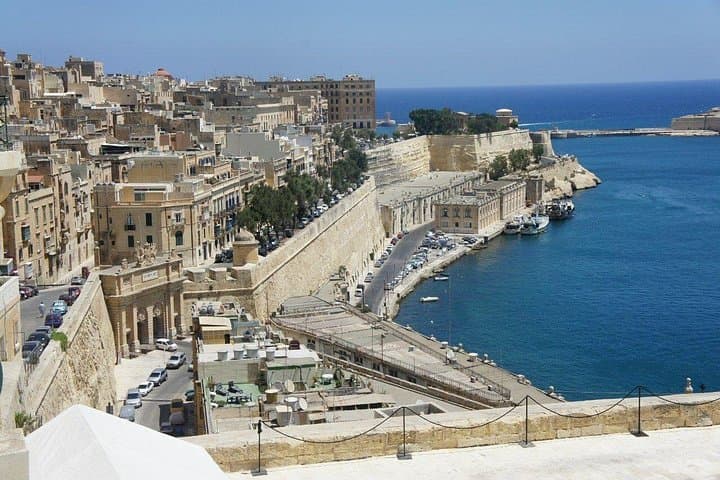
You step out of the air-conditioned vehicle onto a sun-warmed street in Valletta and the city opens like a lined map of history: narrow alleys, Baroque facades, and the hush of a cathedral that has watched centuries pass. The guide moves with purpose, pointing out praesidia and palaces, while the Mediterranean beyond the harbour dares you to look for signs of older lives — harbours where galleys once anchored and cliffs where currents shape the shoreline.
You step out of the air-conditioned vehicle onto a sun-warmed street in Valletta and the city opens like a lined map of history: narrow alleys, Baroque facades, and the hush of a cathedral that has watched centuries pass. The guide moves with purpose, pointing out praesidia and palaces, while the Mediterranean beyond the harbour dares you to look for signs of older lives — harbours where galleys once anchored and cliffs where currents shape the shoreline.
This one-day circuit stitches together Malta’s major chapters. Valletta, founded by the Knights of St. John in the 1500s, contrasts directly with Hagar Qim’s neolithic megaliths, constructed around 3600–3200 BCE. The Three Cities reveal military engineering from the early modern era; Mdina’s silent streets carry Roman, medieval and Norman layers. Geologically Malta is limestone — porous, white, and shaped into sea caves like the Blue Grotto, where sunlight refracts and pushes the water into electric blues.
Culture shows up in small things: a fishing boat painted bright in Marsaxlokk, a plate of lampuki pie, or a dome in Mosta whose wartime story still draws locals. Expect walking on uneven streets and short coastal steps; the boat to Blue Grotto is optional and subject to sea conditions. Practicalities: wear sturdy shoes, carry 1–1.5L water, and plan for 6–8 hours including transfers. Early starts avoid crowds in Mdina and Valletta; late afternoon at Golden Bay offers calm light for photos and an easy place to finish the day before return transfer.