THE ADVENTURE COLLECTIVE® · Independent discovery and booking for outdoor travel

A 12-day circuit through Manaslu and the Tsum Valley moves from jungle river gorges to a 5,100+m pass, combining high Himalayan panoramas with Tibetan-influenced villages and remote monasteries. This guide covers what to expect on trail, logistics, and how to prepare for altitude and terrain.
A 12-day circuit through Manaslu and the Tsum Valley moves from jungle river gorges to a 5,100+m pass, combining high Himalayan panoramas with Tibetan-influenced villages and remote monasteries. This guide covers what to expect on trail, logistics, and how to prepare for altitude and terrain.
You step off the jeep in Soti Khola and the valley opens—river water rattling over boulders, terraced fields sliding into rhododendron forest and the first glimpses of snow on distant ridgelines. Over the next twelve days the route climbs steadily: jungle and suspension bridges give way to high villages, prayer flags, and the wind-swept approaches to Larkya La.
Verified experiences and guided adventures in the surrounding area.
Operated by Swissa Adventure Travel & Treks · Pokhara, Gandaki Province
You step off the jeep in Soti Khola and the valley opens—river water rattling over boulders, terraced fields sliding into rhododendron forest and the first glimpses of snow on distant ridgelines. Over the next twelve days the route climbs steadily: jungle and suspension bridges give way to high villages, prayer flags, and the wind-swept approaches to Larkya La.
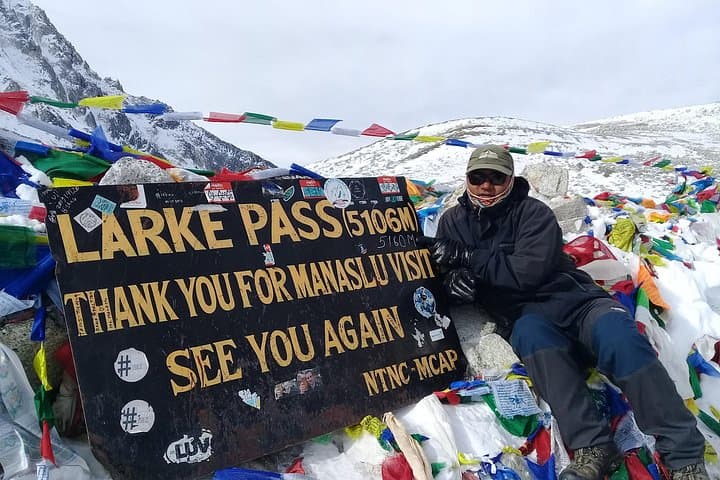
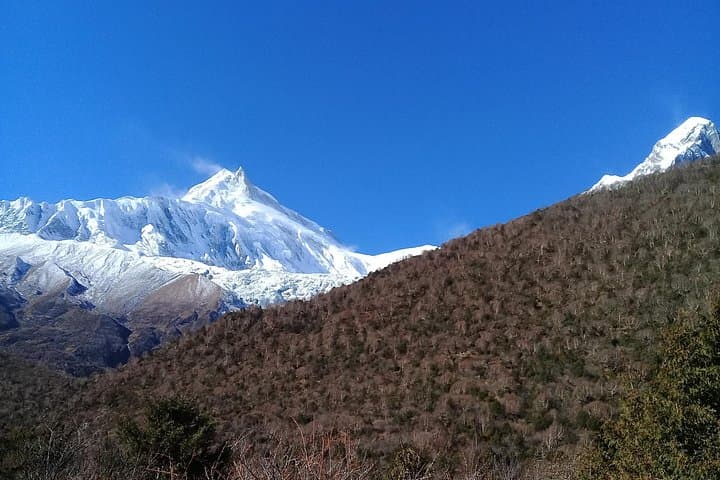
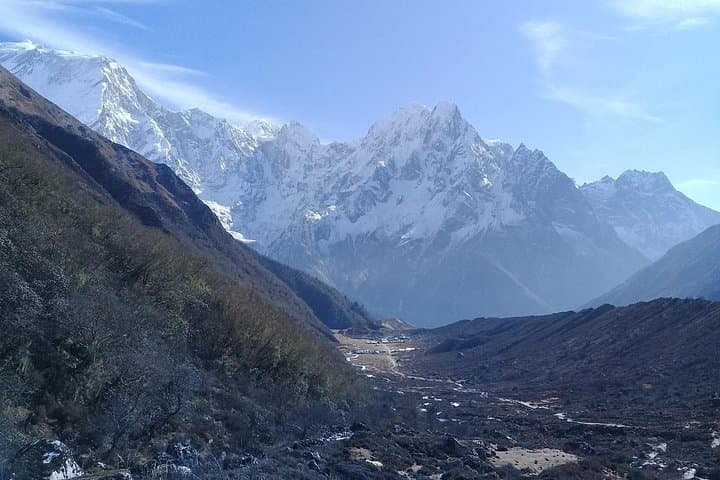
This trek threads through Manaslu Conservation Area and the lesser-visited Tsum Valley, regions shaped by glacial carving and Tibetan cultural ties. Villages such as Jagat, Samagaon and Samdo sit on ancient trans-Himalayan trade lines; monasteries like Pungyen Gompa are focal points of local Buddhist life. Geologically, the trail climbs from river gorge at ~700 m to alpine moraines and passes above 5,100–5,200 m at Larkya La, offering close views of Manaslu (8,156 m) and surrounding ridges.
Expect 5–7 hour walking days on mixed terrain—well-worn stone paths, steep staircases, river crossings and high-altitude moraines. Accommodation is primarily teahouse-style lodges; a typical itinerary includes a rest/acclimatization day in Samagaon. Weather windows are strongest in autumn (Sep–Nov) and spring (Mar–May); winter brings deep snow over the pass.
Practical essentials: obtain Manaslu restricted-area permits and TIMS before starting, build two full acclimatization days into your plan, and bring layered clothing, a warm sleeping bag rated for -10°C, and sturdy trekking boots with ankle support. Hydrate often, watch for acute mountain sickness symptoms, and plan for conservative daily mileage—this route rewards patience with long, sustained views and rich cultural encounters.
Yes—Manaslu is a restricted area and local regulations require a licensed guide; guides also manage permits and navigation in remote sections.
Autumn (September–November) and spring (March–May) offer the most stable weather and clear views; monsoon brings landslide risk and winter can close the pass with deep snow.
Larkya La reaches about 5,100–5,200 m, so acclimatization and slow ascent are essential to reduce risk of altitude illness.
Basic teahouses and lodges provide shared rooms and hot meals in most villages; facilities are simple and electricity may be limited at higher altitudes.
Swissa Adventure Travel & Treks operates guided outdoor trips and adventures with an emphasis on safety, stewardship, and memorable experiences.
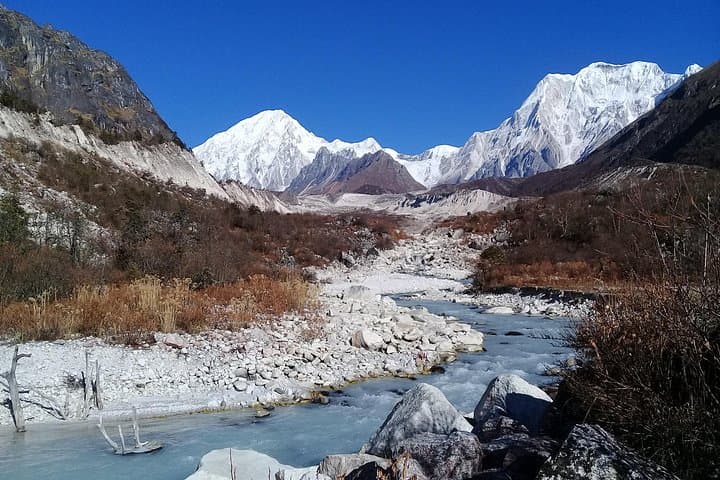
You step off the jeep in Soti Khola and the valley opens—river water rattling over boulders, terraced fields sliding into rhododendron forest and the first glimpses of snow on distant ridgelines. Over the next twelve days the route climbs steadily: jungle and suspension bridges give way to high villages, prayer flags, and the wind-swept approaches to Larkya La.
You step off the jeep in Soti Khola and the valley opens—river water rattling over boulders, terraced fields sliding into rhododendron forest and the first glimpses of snow on distant ridgelines. Over the next twelve days the route climbs steadily: jungle and suspension bridges give way to high villages, prayer flags, and the wind-swept approaches to Larkya La.
This trek threads through Manaslu Conservation Area and the lesser-visited Tsum Valley, regions shaped by glacial carving and Tibetan cultural ties. Villages such as Jagat, Samagaon and Samdo sit on ancient trans-Himalayan trade lines; monasteries like Pungyen Gompa are focal points of local Buddhist life. Geologically, the trail climbs from river gorge at ~700 m to alpine moraines and passes above 5,100–5,200 m at Larkya La, offering close views of Manaslu (8,156 m) and surrounding ridges.
Expect 5–7 hour walking days on mixed terrain—well-worn stone paths, steep staircases, river crossings and high-altitude moraines. Accommodation is primarily teahouse-style lodges; a typical itinerary includes a rest/acclimatization day in Samagaon. Weather windows are strongest in autumn (Sep–Nov) and spring (Mar–May); winter brings deep snow over the pass.
Practical essentials: obtain Manaslu restricted-area permits and TIMS before starting, build two full acclimatization days into your plan, and bring layered clothing, a warm sleeping bag rated for -10°C, and sturdy trekking boots with ankle support. Hydrate often, watch for acute mountain sickness symptoms, and plan for conservative daily mileage—this route rewards patience with long, sustained views and rich cultural encounters.