THE ADVENTURE COLLECTIVE® · Independent discovery and booking for outdoor travel

Remote valleys, Tibetan-influenced villages and a 5,160 m pass define the Manaslu Circuit. This 10–12 day trek balances cultural immersion with high-altitude challenge—ideal for fit hikers planning careful acclimatization and guided permits.
Remote valleys, Tibetan-influenced villages and a 5,160 m pass define the Manaslu Circuit. This 10–12 day trek balances cultural immersion with high-altitude challenge—ideal for fit hikers planning careful acclimatization and guided permits.
The trail opens with terraced fields and river songs as the bus slips out of Kathmandu and into the rutted hills toward Machha Khola. By the third day you trade lowland rice paddies for rhododendron forests; by Samagaun the air thins and Manaslu’s snow walls begin to loom, daring you upward toward the Larkya La.
Verified experiences and guided adventures in the surrounding area.
Operated by Bold Himalaya Treks and Travels Pvt Ltd · Samagaun, Gandaki Province
The trail opens with terraced fields and river songs as the bus slips out of Kathmandu and into the rutted hills toward Machha Khola. By the third day you trade lowland rice paddies for rhododendron forests; by Samagaun the air thins and Manaslu’s snow walls begin to loom, daring you upward toward the Larkya La.
Manaslu is geologically young—Himalayan thrusts pushing marine limestone skyward—so you’ll walk on ancient seabed turned alpine moraine. The route threads villages with Tibetan-style houses, mani walls and fluttering prayer flags; Buddhist monasteries in Lho and Namrung offer cultural windows into local life. The area was a restricted zone until the early 1990s, a history that shapes current permit rules and low-tourist density.
Expect variable terrain: forested switchbacks, rocky river crossings, scree fields and a high, glaciated pass at 5,160 m. Acclimatization days in Samagaun and moderate daily distances help manage altitude gain. Tea-house lodges offer basic meals and a place to rest; hot showers are intermittent as you ascend.
Practical guidance: plan for 10–12 days, carry layered insulation for sub-zero nights, and bring a reliable water treatment system—altitude and cold make dehydration a sneaky hazard. Trekking poles reduce knee strain on descents; a lightweight down jacket and gaiters will serve you well. Book guides and restricted-area permits in advance: this is not a self-guided track in Nepal’s regulations. Start early each day for stable weather windows, and respect village customs—ask before photographing people and remove shoes in guesthouse prayer rooms.
Yes — a Restricted Area permit for Manaslu and a TIMS card are required; your operator should arrange these in advance.
Larkya La is about 5,160 m; it is non-technical in summer/autumn but demands steady fitness, proper acclimatization and careful footing on snow or scree.
Yes — basic tea-house lodges with shared dorms, meals and limited hot-water services operate along the route; book during high season when possible.
Spring (Mar–May) and fall (Sep–Nov) offer the most stable weather and clearest views; monsoon season is wetter and winter brings heavy snow on the pass.
Bold Himalaya Treks and Travels Pvt Ltd operates guided outdoor trips and adventures with an emphasis on safety, stewardship, and memorable experiences.
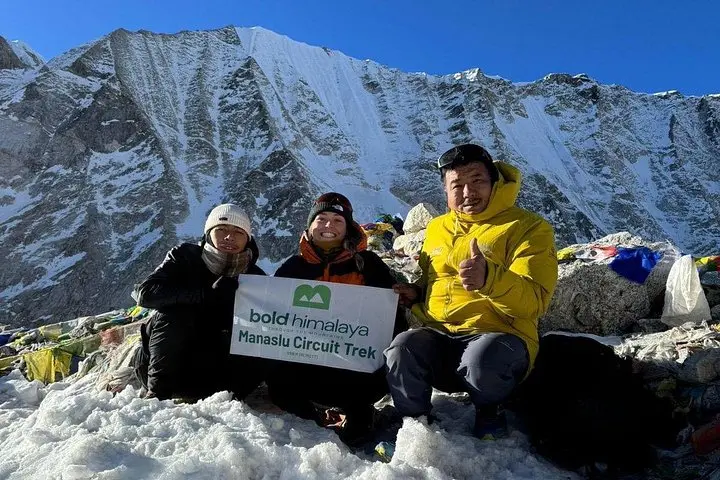
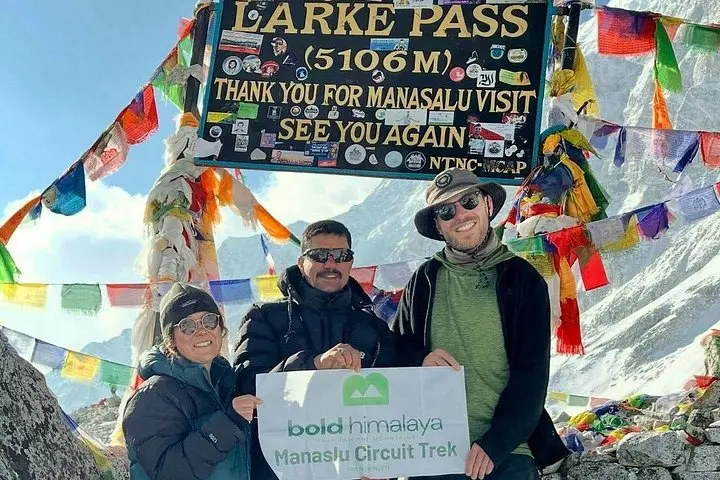
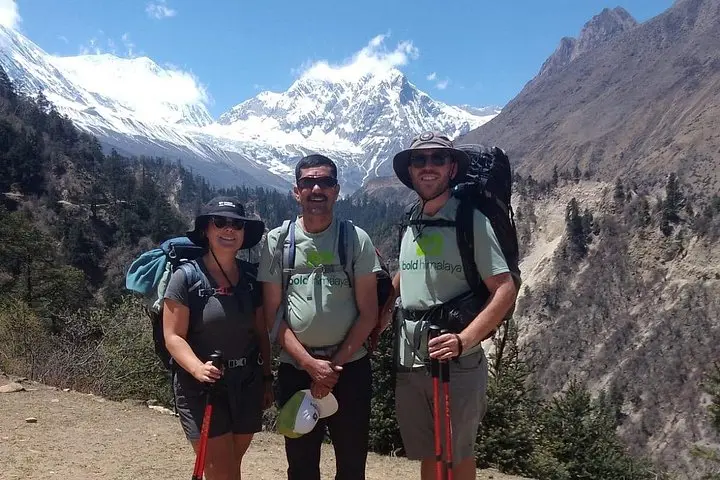
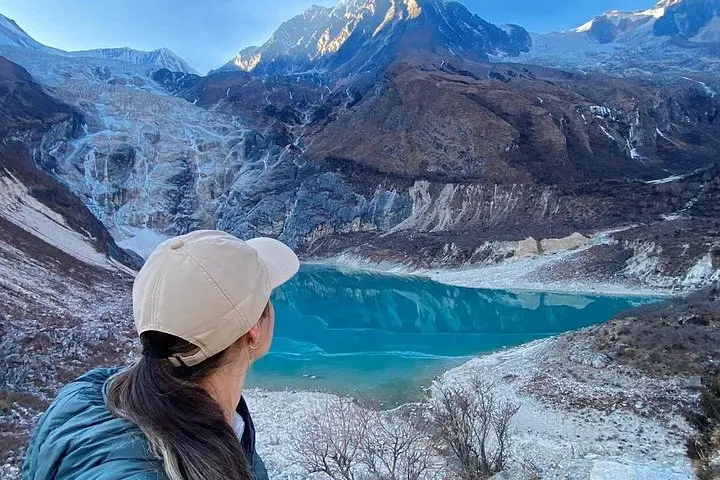
The trail opens with terraced fields and river songs as the bus slips out of Kathmandu and into the rutted hills toward Machha Khola. By the third day you trade lowland rice paddies for rhododendron forests; by Samagaun the air thins and Manaslu’s snow walls begin to loom, daring you upward toward the Larkya La.
The trail opens with terraced fields and river songs as the bus slips out of Kathmandu and into the rutted hills toward Machha Khola. By the third day you trade lowland rice paddies for rhododendron forests; by Samagaun the air thins and Manaslu’s snow walls begin to loom, daring you upward toward the Larkya La.
Manaslu is geologically young—Himalayan thrusts pushing marine limestone skyward—so you’ll walk on ancient seabed turned alpine moraine. The route threads villages with Tibetan-style houses, mani walls and fluttering prayer flags; Buddhist monasteries in Lho and Namrung offer cultural windows into local life. The area was a restricted zone until the early 1990s, a history that shapes current permit rules and low-tourist density.
Expect variable terrain: forested switchbacks, rocky river crossings, scree fields and a high, glaciated pass at 5,160 m. Acclimatization days in Samagaun and moderate daily distances help manage altitude gain. Tea-house lodges offer basic meals and a place to rest; hot showers are intermittent as you ascend.
Practical guidance: plan for 10–12 days, carry layered insulation for sub-zero nights, and bring a reliable water treatment system—altitude and cold make dehydration a sneaky hazard. Trekking poles reduce knee strain on descents; a lightweight down jacket and gaiters will serve you well. Book guides and restricted-area permits in advance: this is not a self-guided track in Nepal’s regulations. Start early each day for stable weather windows, and respect village customs—ask before photographing people and remove shoes in guesthouse prayer rooms.