THE ADVENTURE COLLECTIVE® · Independent discovery and booking for outdoor travel

A demanding 12-day loop through Nepal’s Manaslu Conservation Area, this trek moves from subtropical valleys to the Larkya La pass at 5,213 m. Expect Tibetan-influenced villages, hot springs, high pastures and glacial vistas—plus required special permits and strict acclimatization.
A demanding 12-day loop through Nepal’s Manaslu Conservation Area, this trek moves from subtropical valleys to the Larkya La pass at 5,213 m. Expect Tibetan-influenced villages, hot springs, high pastures and glacial vistas—plus required special permits and strict acclimatization.
Dawn on the Prithvi Highway feels like the first page of the Manaslu story: rice terraces slip away, the Budigandaki River dares you upriver, and forested gullies tighten into the granite ribs of the high Himalaya.
Verified experiences and guided adventures in the surrounding area.
Operated by Asian Hiking Team · Sama Gaon, Gandaki Province
Dawn on the Prithvi Highway feels like the first page of the Manaslu story: rice terraces slip away, the Budigandaki River dares you upriver, and forested gullies tighten into the granite ribs of the high Himalaya.
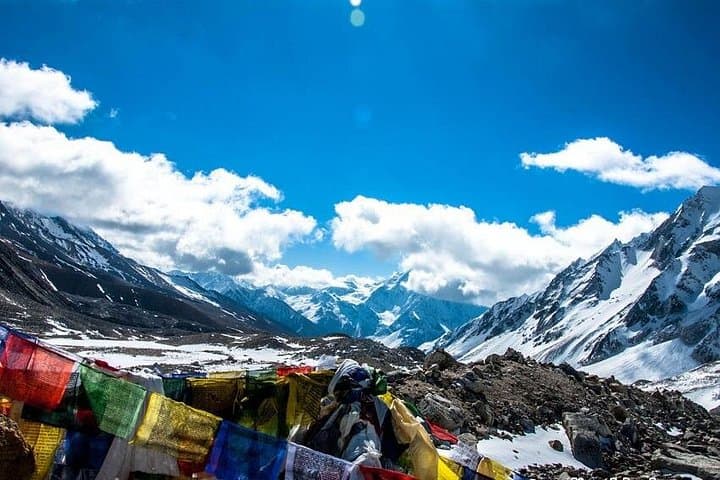
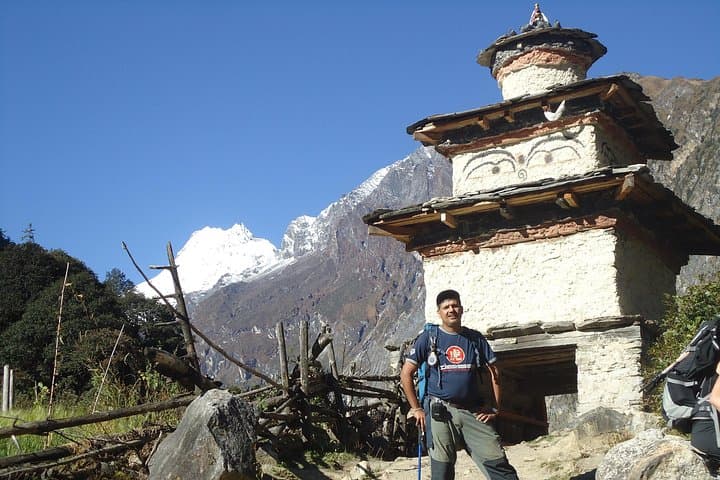
The Manaslu Circuit unspools through villages that still follow Tibetan calendars—manis, chortens and prayer flags mark a gradual shift from lowland subtropical to alpine desert. Opened to trekkers in the 1990s, the route threads glacial moraines and river gorges, climbs past Tatopani’s hot spring and passes Samagaon, Samdo and the seasonal market at Larkya Bazaar before the long shove onto Larkya La (5,213 m). Geologically, you move over young Himalayan thrusts—steep, uplifted schist and gneiss that feed the glaciers sculpting the valley.
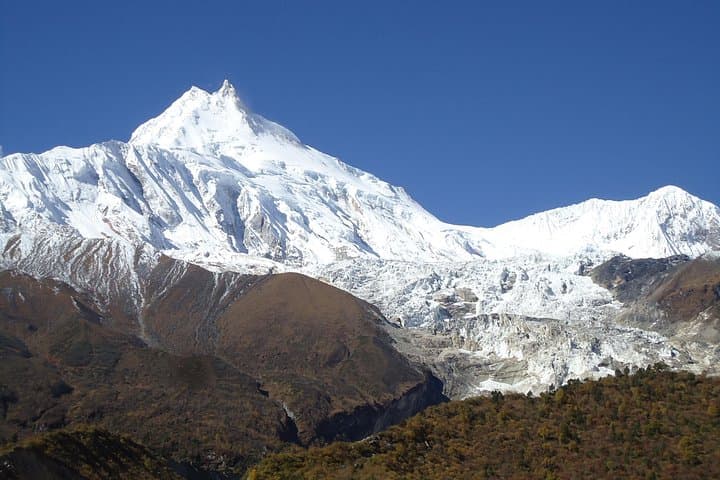
Culture here carries Gorkha and Tibetan echoes: traditional stone houses, yak pasture, and daily trade routes that still move salt and barley. The trek’s high points are both visual and procedural—Manaslu Base Camp views, Larkya La sunrise, and the strict permit-controlled conservation area that exists to protect fragile alpine ecosystems.
Practical guidance: allow a full acclimatization day, plan for 6–12 hours on summit/pass days, and expect cold nights in simple teahouses above 3,500 m. Book a licensed guide and secure Manaslu Special and conservation permits in advance. Footwear with good ankle support, layered clothing, water treatment and microspikes/mini-crampons in shoulder seasons make the difference. Respect local customs, pack out waste, and favor steady pacing—this is high-altitude travel where patience keeps you moving.
Yes—Manaslu is a restricted area and local authorities require trekkers to be accompanied by a licensed guide; guides also manage permits and logistics.
Autumn (Sept–Nov) and spring (Mar–May) offer the most stable weather and clear views; winter is cold with deeper snow on the pass, summer brings monsoon rain and muddy trails.
Larkya La is long and exposed with loose scree and possible snow; expect a 8–12 hour push from Larkya Phedi to Bimthang and prepare for cold, wind and thin air.
Yes—basic teahouses and lodges provide meals and simple rooms through most villages, though services are more limited above 3,500 m.
Asian Hiking Team operates guided outdoor trips and adventures with an emphasis on safety, stewardship, and memorable experiences.
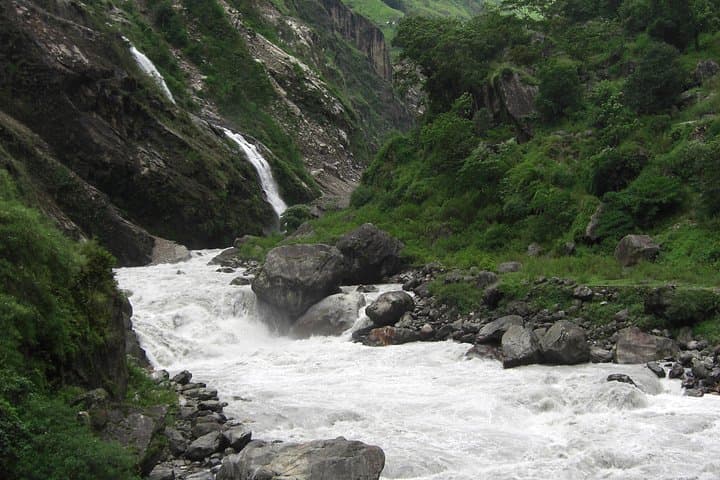
Dawn on the Prithvi Highway feels like the first page of the Manaslu story: rice terraces slip away, the Budigandaki River dares you upriver, and forested gullies tighten into the granite ribs of the high Himalaya.
Dawn on the Prithvi Highway feels like the first page of the Manaslu story: rice terraces slip away, the Budigandaki River dares you upriver, and forested gullies tighten into the granite ribs of the high Himalaya.
The Manaslu Circuit unspools through villages that still follow Tibetan calendars—manis, chortens and prayer flags mark a gradual shift from lowland subtropical to alpine desert. Opened to trekkers in the 1990s, the route threads glacial moraines and river gorges, climbs past Tatopani’s hot spring and passes Samagaon, Samdo and the seasonal market at Larkya Bazaar before the long shove onto Larkya La (5,213 m). Geologically, you move over young Himalayan thrusts—steep, uplifted schist and gneiss that feed the glaciers sculpting the valley.
Culture here carries Gorkha and Tibetan echoes: traditional stone houses, yak pasture, and daily trade routes that still move salt and barley. The trek’s high points are both visual and procedural—Manaslu Base Camp views, Larkya La sunrise, and the strict permit-controlled conservation area that exists to protect fragile alpine ecosystems.
Practical guidance: allow a full acclimatization day, plan for 6–12 hours on summit/pass days, and expect cold nights in simple teahouses above 3,500 m. Book a licensed guide and secure Manaslu Special and conservation permits in advance. Footwear with good ankle support, layered clothing, water treatment and microspikes/mini-crampons in shoulder seasons make the difference. Respect local customs, pack out waste, and favor steady pacing—this is high-altitude travel where patience keeps you moving.