THE ADVENTURE COLLECTIVE® · Independent discovery and booking for outdoor travel

A classic high-altitude circuit around Mt. Manaslu, this 15‑day trek combines rugged alpine terrain, Tibetan-influenced villages, and a demanding crossing of Larkya La (5,160m). Built-in acclimatization days and local guides make it accessible to fit trekkers prepared for altitude.
A classic high-altitude circuit around Mt. Manaslu, this 15‑day trek combines rugged alpine terrain, Tibetan-influenced villages, and a demanding crossing of Larkya La (5,160m). Built-in acclimatization days and local guides make it accessible to fit trekkers prepared for altitude.
Dawn breaks over a ridge of prayer flags and the teeth of the Himalaya; cold air cuts sharp and thin while the trail ahead narrows into scree and yak pasture. On the Manaslu Circuit, trekkers move between river gorges and high alpine bowls, climbing through dense rhododendron and pine before the landscape opens to glaciers and a high, exposed saddle at Larkya La (5,160m).
Verified experiences and guided adventures in the surrounding area.
Operated by AM Travels and Tours · Kathmandu, Bagmati Province
Dawn breaks over a ridge of prayer flags and the teeth of the Himalaya; cold air cuts sharp and thin while the trail ahead narrows into scree and yak pasture. On the Manaslu Circuit, trekkers move between river gorges and high alpine bowls, climbing through dense rhododendron and pine before the landscape opens to glaciers and a high, exposed saddle at Larkya La (5,160m).
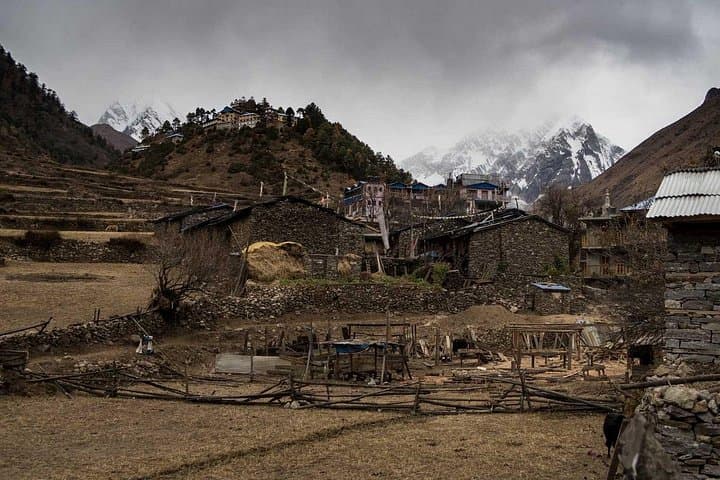
The route threads around Mount Manaslu (8,163m), carved by glacial action and fed by steep tributary rivers. Centuries of trade and Tibetan cultural exchange left fortified villages, mani walls, and gompas in settlements such as Samagaon, Samdo and Namrung. Local Gurung, Magar and Tibetan-influenced communities continue seasonal herding, yak caravans, and monastery rituals along the circuit.
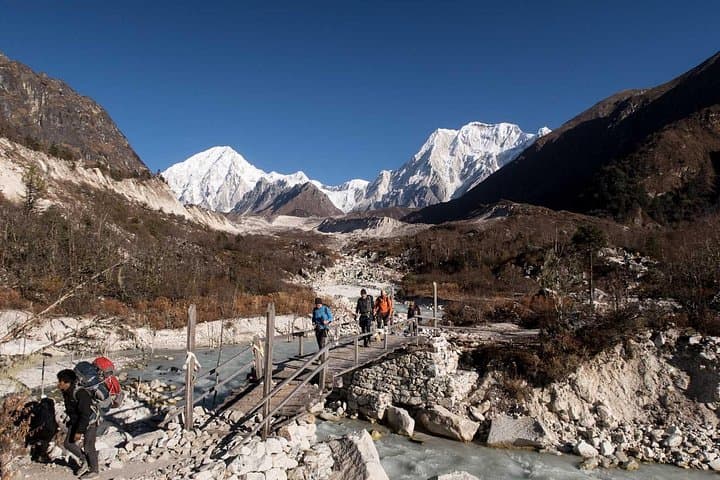
Expect long days on unpaved trails—rocky gully crossings, suspension bridges, and narrow terraces—with altitude as the primary challenge rather than technical climbing. Nature asserts itself: the river dares you to respect its spring swells, and the high wind pushes you across exposed passes.
Practical guidance: plan 12–15 days of trekking with built-in acclimatization days at Samagaon and Samdo. Use layered, breathable clothing, a sturdy 600–800g sleeping bag, and boots with firm ankle support. Hydrate deliberately and watch for early signs of AMS; descend if symptoms worsen. Start pre-dawn on pass day, carry sunscreen, and keep a compact first-aid kit and water purification tablets. Local teahouses offer warm meals and basic lodging, but be prepared for cold nights and simple facilities. The trek rewards persistence with expansive Himalayan vistas and close cultural encounters—clear, direct, and demanding in equal measure.
Yes—trekking in the Manaslu Conservation Area requires a Manaslu Restricted Area Permit and TIMS card; these are typically arranged before or at the start in Kathmandu.
Altitude sickness is the main risk—follow gradual ascent profiles, include acclimatization days, hydrate, and descend immediately if symptoms like severe headache, nausea, or confusion appear.
Yes; basic teahouses and lodges operate along the circuit offering meals and simple rooms, though facilities become more spartan above 3,500m.
Authorized guides are strongly recommended and often required in restricted areas; porters are available to carry baggage and improve comfort.
AM Travels and Tours operates guided outdoor trips and adventures with an emphasis on safety, stewardship, and memorable experiences.
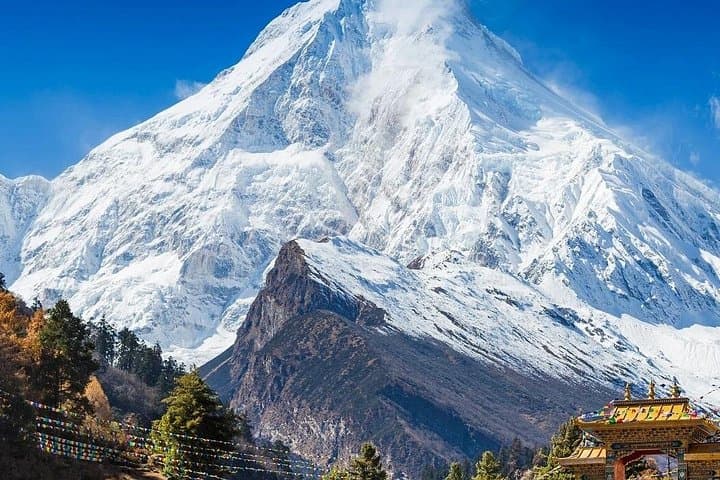
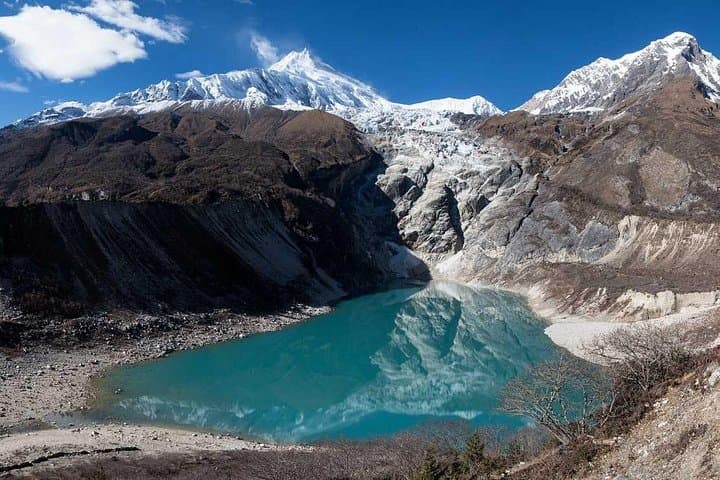
Dawn breaks over a ridge of prayer flags and the teeth of the Himalaya; cold air cuts sharp and thin while the trail ahead narrows into scree and yak pasture. On the Manaslu Circuit, trekkers move between river gorges and high alpine bowls, climbing through dense rhododendron and pine before the landscape opens to glaciers and a high, exposed saddle at Larkya La (5,160m).
Dawn breaks over a ridge of prayer flags and the teeth of the Himalaya; cold air cuts sharp and thin while the trail ahead narrows into scree and yak pasture. On the Manaslu Circuit, trekkers move between river gorges and high alpine bowls, climbing through dense rhododendron and pine before the landscape opens to glaciers and a high, exposed saddle at Larkya La (5,160m).
The route threads around Mount Manaslu (8,163m), carved by glacial action and fed by steep tributary rivers. Centuries of trade and Tibetan cultural exchange left fortified villages, mani walls, and gompas in settlements such as Samagaon, Samdo and Namrung. Local Gurung, Magar and Tibetan-influenced communities continue seasonal herding, yak caravans, and monastery rituals along the circuit.
Expect long days on unpaved trails—rocky gully crossings, suspension bridges, and narrow terraces—with altitude as the primary challenge rather than technical climbing. Nature asserts itself: the river dares you to respect its spring swells, and the high wind pushes you across exposed passes.
Practical guidance: plan 12–15 days of trekking with built-in acclimatization days at Samagaon and Samdo. Use layered, breathable clothing, a sturdy 600–800g sleeping bag, and boots with firm ankle support. Hydrate deliberately and watch for early signs of AMS; descend if symptoms worsen. Start pre-dawn on pass day, carry sunscreen, and keep a compact first-aid kit and water purification tablets. Local teahouses offer warm meals and basic lodging, but be prepared for cold nights and simple facilities. The trek rewards persistence with expansive Himalayan vistas and close cultural encounters—clear, direct, and demanding in equal measure.