THE ADVENTURE COLLECTIVE® · Independent discovery and booking for outdoor travel

A demanding 17‑day circuit around Manaslu that crosses Larkya La (≈5,215 m), this trek pairs dramatic glacial scenery with Tibetan-influenced villages. Expect long mountain days, enforced acclimatization and basic teahouse lodging.
A demanding 17‑day circuit around Manaslu that crosses Larkya La (≈5,215 m), this trek pairs dramatic glacial scenery with Tibetan-influenced villages. Expect long mountain days, enforced acclimatization and basic teahouse lodging.
The trail opens on a cool morning in the Marsyangdi watershed: prayer flags snap above tea-house roofs, and the river dares you onward as sherpas and porters sort packs. You climb from humid, bamboo-draped valleys into rhododendron forests, then above treeline into a stony world of blue ice and wind where Larkya La (≈5,215 m) waits.
Verified experiences and guided adventures in the surrounding area.
Operated by Annapurna Foothills Treks Expedition Pvt. Ltd. · Kathmandu, Gandaki Province
The trail opens on a cool morning in the Marsyangdi watershed: prayer flags snap above tea-house roofs, and the river dares you onward as sherpas and porters sort packs. You climb from humid, bamboo-draped valleys into rhododendron forests, then above treeline into a stony world of blue ice and wind where Larkya La (≈5,215 m) waits.
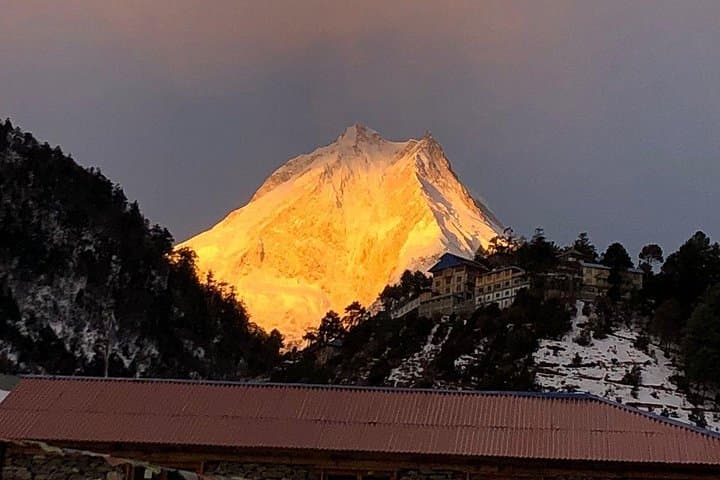
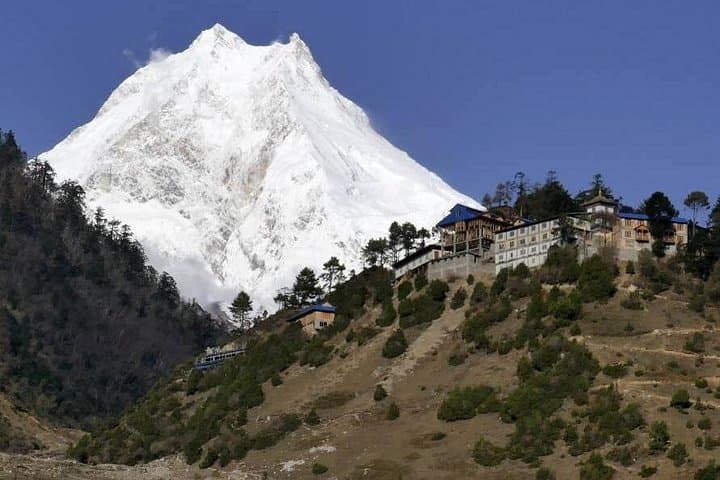
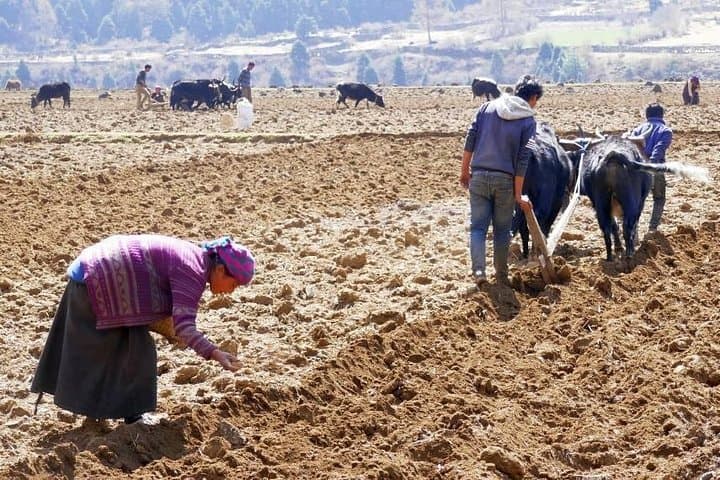
This circuit circles Manaslu, the eighth-highest mountain, threading traditional Gurung and Tibetan-influenced villages. Geology shifts visibly — river-polished gorges give way to moraine and glacial lakes, carved by the same Himalayan uplift that raised Manaslu, Himal Chuli and Cheo Himal over millennia. Cultural markers are constant: mani walls, gompas and seasonal yak pastures that trace trans-Himalayan trade routes.
Expect long days with steep gains and exposed ridgelines punctuated by lowland subtropical relief as you descend into the Marsyangdi Valley. Acclimatization at Sama Gaon and gradual ascent to Samdo and Larkya Phedi are built into the itinerary to reduce altitude stress.
Practical guidance: train for repeated elevation gain and sustained walking (expect several 6–10 hour days). Footwear should be sturdy and well-broken-in; layers are essential for rapid temperature swings; carry water purification and a high-quality sleeping bag rated to -10°C or lower for nights above 3,500 m. Permits (Manaslu Restricted Area and TIMS) are required and included in organized trips; plan for basic lodges and a reliance on local staff for logistics.
The route rewards patience: glacier-sculpted panoramas, close cultural encounters and a tangible sense of moving through an active mountain landscape.
You need a Manaslu Restricted Area permit plus TIMS card; organized trips typically handle these and include fees in their package.
Autumn (Sept–Nov) and spring (Mar–May) offer the most stable weather and clearer mountain views; monsoon season brings heavy rain and winter has deep snow on the pass.
Larkya La is a long, high pass at ~5,215 m with sustained ascent and descent; it's technically non-technical but physically demanding and weather-dependent.
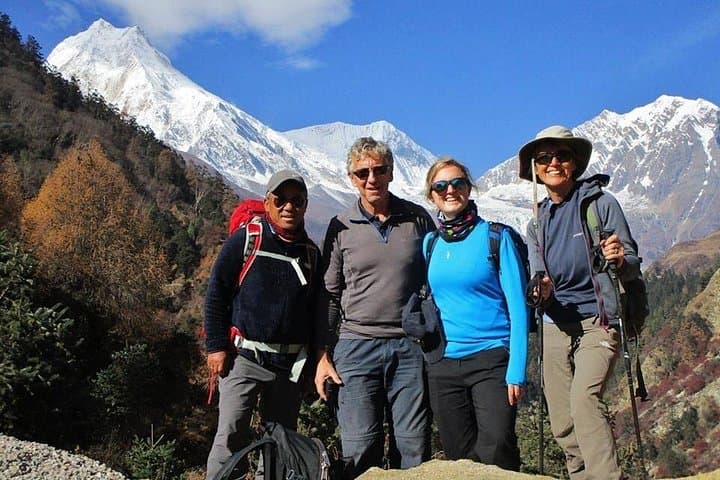
Hiring local guides and porters is common; guides are licensed and experienced—porters are available but not recommended for those expecting to carry full loads themselves.
Annapurna Foothills Treks Expedition Pvt. Ltd. operates guided outdoor trips and adventures with an emphasis on safety, stewardship, and memorable experiences.
The trail opens on a cool morning in the Marsyangdi watershed: prayer flags snap above tea-house roofs, and the river dares you onward as sherpas and porters sort packs. You climb from humid, bamboo-draped valleys into rhododendron forests, then above treeline into a stony world of blue ice and wind where Larkya La (≈5,215 m) waits.
The trail opens on a cool morning in the Marsyangdi watershed: prayer flags snap above tea-house roofs, and the river dares you onward as sherpas and porters sort packs. You climb from humid, bamboo-draped valleys into rhododendron forests, then above treeline into a stony world of blue ice and wind where Larkya La (≈5,215 m) waits.
This circuit circles Manaslu, the eighth-highest mountain, threading traditional Gurung and Tibetan-influenced villages. Geology shifts visibly — river-polished gorges give way to moraine and glacial lakes, carved by the same Himalayan uplift that raised Manaslu, Himal Chuli and Cheo Himal over millennia. Cultural markers are constant: mani walls, gompas and seasonal yak pastures that trace trans-Himalayan trade routes.
Expect long days with steep gains and exposed ridgelines punctuated by lowland subtropical relief as you descend into the Marsyangdi Valley. Acclimatization at Sama Gaon and gradual ascent to Samdo and Larkya Phedi are built into the itinerary to reduce altitude stress.
Practical guidance: train for repeated elevation gain and sustained walking (expect several 6–10 hour days). Footwear should be sturdy and well-broken-in; layers are essential for rapid temperature swings; carry water purification and a high-quality sleeping bag rated to -10°C or lower for nights above 3,500 m. Permits (Manaslu Restricted Area and TIMS) are required and included in organized trips; plan for basic lodges and a reliance on local staff for logistics.
The route rewards patience: glacier-sculpted panoramas, close cultural encounters and a tangible sense of moving through an active mountain landscape.