THE ADVENTURE COLLECTIVE® · Independent discovery and booking for outdoor travel

A rigorous 19-day circuit around Manaslu that combines high passes, Tibetan-influenced villages and glacial vistas. Expect steep ascents, long suspension bridges and required special permits.
A rigorous 19-day circuit around Manaslu that combines high passes, Tibetan-influenced villages and glacial vistas. Expect steep ascents, long suspension bridges and required special permits.
You step out of the pine-scented dawn into a valley that keeps folding upward — a trail that clings to vertical rock, crosses long suspension bridges and pushes through rhododendron forests toward an ice-scraped skyline. Manaslu, the 8,156 m giant, watches from the head of the Buri Gandaki as villages with prayer flags punctuate the ascent: Philim, Namrung, Samagaon and the high pastures of Samdo.
Verified experiences and guided adventures in the surrounding area.
Operated by Alpine Club of Himalaya · Kathmandu, Bagmati Province
You step out of the pine-scented dawn into a valley that keeps folding upward — a trail that clings to vertical rock, crosses long suspension bridges and pushes through rhododendron forests toward an ice-scraped skyline. Manaslu, the 8,156 m giant, watches from the head of the Buri Gandaki as villages with prayer flags punctuate the ascent: Philim, Namrung, Samagaon and the high pastures of Samdo.
This route opened to foreign trekkers in 1991 but the cultural layers run much deeper: the upper valley bears clear Tibetan influence from settlers who arrived in the 1600s, and mani walls, gompas and shepherd shelters dot a landscape carved by glaciers. Geologically, the trek negotiates steep river gorges, moraine fields and the Larkya Glacier before the 5,100 m Larkya La, a high pass formed by glacial sculpting and seasonal avalanches.
Travelers experience a mix of teahouse stays and tented camps, long up-and-down sections on stone staircases and loose scree, and nights in villages where barley and potatoes are the primary crops. Permits are mandatory (Manaslu Special Permit and TIMS) and an experienced guide is standard practice.
Practical edge: plan 2–3 rest or acclimatization stops, carry a pulse oximeter if you can, break the Larkya La day early and expect large elevation swings — one day you may climb 800–1,000 m and descend 1,500 m. Footwear with firm ankle support, trekking poles, layers for wide temperature swings, and a porter to keep pack weight under 12–14 kg make the route far more manageable. Start your trek fit, patient and ready for raw mountain weather.
Yes — a Manaslu Restricted Area Permit plus TIMS are required; permits are usually arranged by your operator before the trek.
The pass reaches about 5,100 m and involves a long high-altitude climb and steep, loose descents; snow or ice can make sections technical and slow.
Lower sections have teahouses and basic guesthouses, but some high sections use tented camps; the itinerary shows a mix of tea houses and tented accommodation.
Acute Mountain Sickness is a real risk; follow a conservative acclimatization schedule, stay hydrated, avoid alcohol, and descend immediately if symptoms worsen.
Alpine Club of Himalaya operates guided outdoor trips and adventures with an emphasis on safety, stewardship, and memorable experiences.
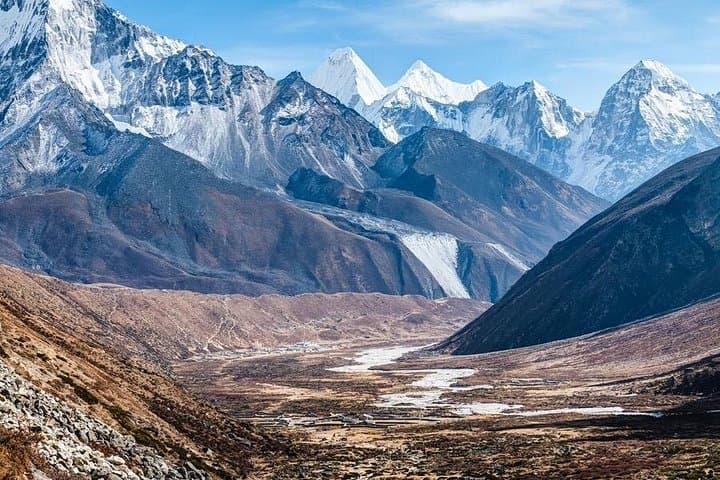
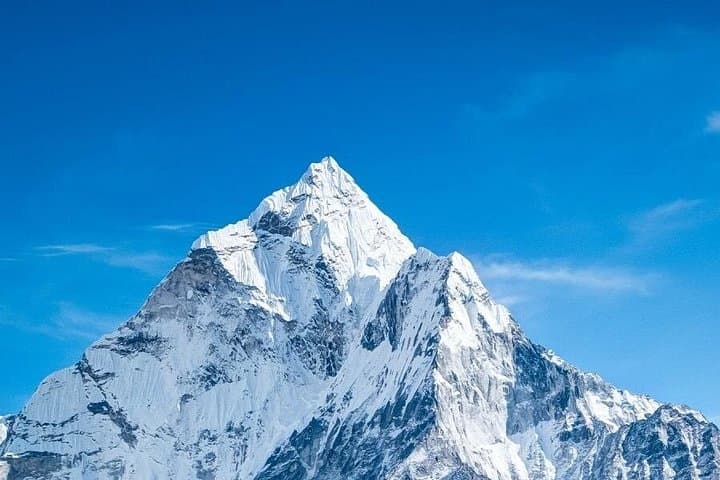
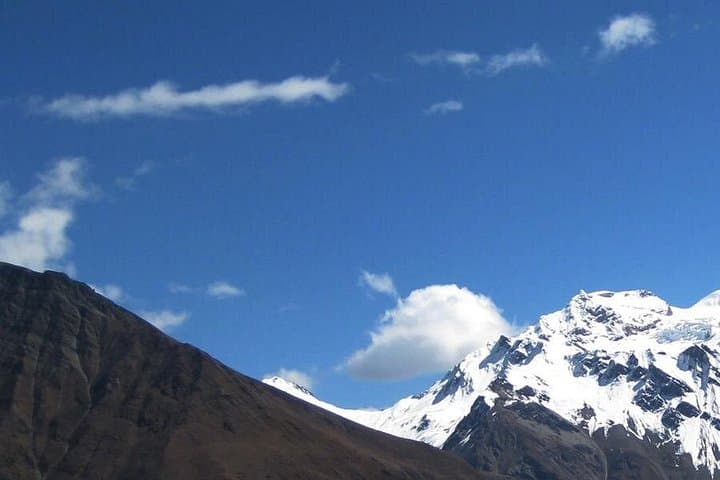
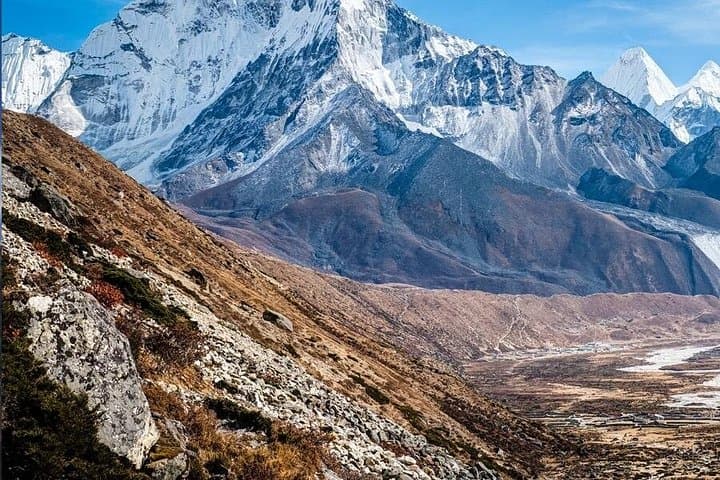
You step out of the pine-scented dawn into a valley that keeps folding upward — a trail that clings to vertical rock, crosses long suspension bridges and pushes through rhododendron forests toward an ice-scraped skyline. Manaslu, the 8,156 m giant, watches from the head of the Buri Gandaki as villages with prayer flags punctuate the ascent: Philim, Namrung, Samagaon and the high pastures of Samdo.
You step out of the pine-scented dawn into a valley that keeps folding upward — a trail that clings to vertical rock, crosses long suspension bridges and pushes through rhododendron forests toward an ice-scraped skyline. Manaslu, the 8,156 m giant, watches from the head of the Buri Gandaki as villages with prayer flags punctuate the ascent: Philim, Namrung, Samagaon and the high pastures of Samdo.
This route opened to foreign trekkers in 1991 but the cultural layers run much deeper: the upper valley bears clear Tibetan influence from settlers who arrived in the 1600s, and mani walls, gompas and shepherd shelters dot a landscape carved by glaciers. Geologically, the trek negotiates steep river gorges, moraine fields and the Larkya Glacier before the 5,100 m Larkya La, a high pass formed by glacial sculpting and seasonal avalanches.
Travelers experience a mix of teahouse stays and tented camps, long up-and-down sections on stone staircases and loose scree, and nights in villages where barley and potatoes are the primary crops. Permits are mandatory (Manaslu Special Permit and TIMS) and an experienced guide is standard practice.
Practical edge: plan 2–3 rest or acclimatization stops, carry a pulse oximeter if you can, break the Larkya La day early and expect large elevation swings — one day you may climb 800–1,000 m and descend 1,500 m. Footwear with firm ankle support, trekking poles, layers for wide temperature swings, and a porter to keep pack weight under 12–14 kg make the route far more manageable. Start your trek fit, patient and ready for raw mountain weather.