THE ADVENTURE COLLECTIVE® · Independent discovery and booking for outdoor travel

A 20-day route that pairs the remote Tsum Valley with the classic Manaslu Circuit, culminating in the Larkya La high pass. Expect teahouse nights, glacial views and required conservation permits on a demanding but deeply rewarding Himalayan crossing.
A 20-day route that pairs the remote Tsum Valley with the classic Manaslu Circuit, culminating in the Larkya La high pass. Expect teahouse nights, glacial views and required conservation permits on a demanding but deeply rewarding Himalayan crossing.
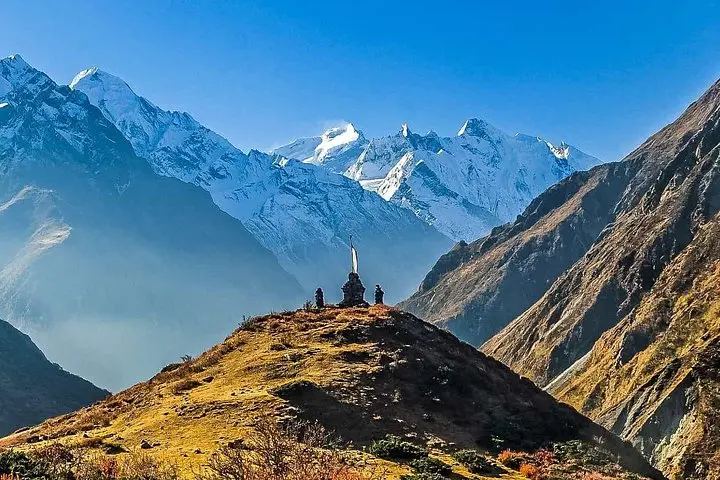
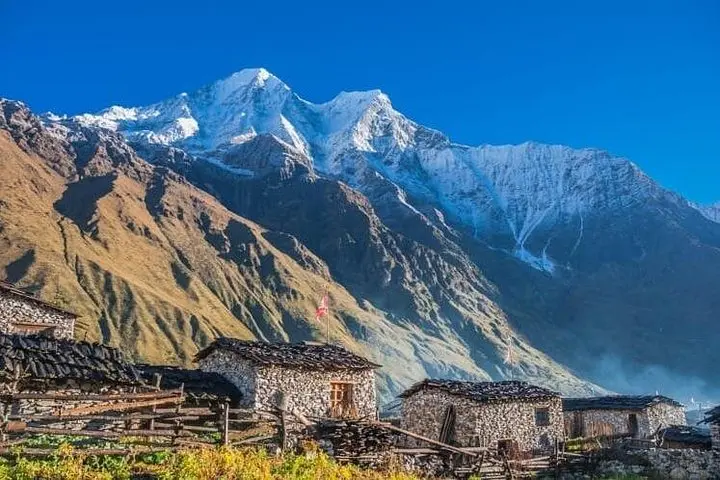
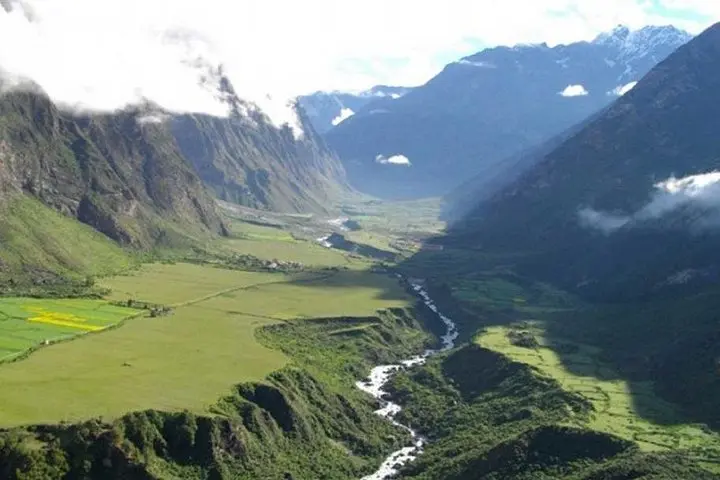
You step out of the vehicle as mist lifts off the terraced hills and the Budhi Gandaki river seems to hurry you onto the trail. The first days follow lowland villages and coffee-colored rivers; by mid-trek the path tightens into rhododendron and pine, then opens to cold, wind-swept plateaus where Larkya La looms like a last test.
Verified experiences and guided adventures in the surrounding area.
Operated by Worldwide Tourism Inc - Highly Recommended Travel Company · Samagaon, Gorkha District
You step out of the vehicle as mist lifts off the terraced hills and the Budhi Gandaki river seems to hurry you onto the trail. The first days follow lowland villages and coffee-colored rivers; by mid-trek the path tightens into rhododendron and pine, then opens to cold, wind-swept plateaus where Larkya La looms like a last test.
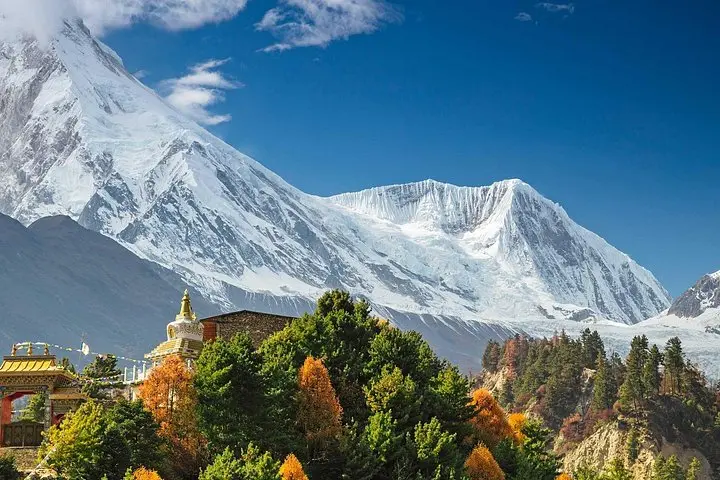
This route threads two linked stories: the geology of the rising Himalaya — folded rock, glacial lakes and moraine fields — and the living culture of the Tsum Valley, a Tibetan-influenced enclave of ancient gompas and mani walls. Monasteries such as Mu and Rachen Gompa keep centuries-old rituals in active use; villagers raise barley and yaks, and the high valleys act like a weathered map of human adaptation to altitude.
Practically, expect 20 days of teahouse nights, single-porters (shared carries, ~12 kg) and a required Manaslu Conservation Area permit plus a special Tsum Valley permit. Acclimatization days in Samagaon and steady pacing are built into the itinerary; Larkya La reaches about 5,135 m and demands early starts, crampon-capable footing when snow arrives, and careful hydration. Trails vary from packed dirt and stone steps to exposed scree; good leather or synthetic trekking boots, layered insulation and sun protection are non-negotiable. Spring and autumn give the most stable weather and clear summit views; winter brings deep snow and summer monsoon can make river crossings lively.
This is an off-the-beaten high-altitude crossing that rewards steady preparation with broad Himalayan panoramas, intimate cultural encounters and the quiet of high valleys where the wind will insist you keep moving.
Yes. You must obtain a Manaslu Conservation Area permit plus a restricted area permit for Tsum Valley; permits are checked at multiple checkpoints along the route.
Acclimatize with rest days in Samagaon, train for long ascents, pack layers and traction devices for snow; start pre-dawn on the pass day to avoid afternoon weather shifts.
Teahouses are basic but functional—bed, simple meals (dal, rice, pasta), and often shared bathrooms; hot showers may be available for a fee in larger villages.
Yes. Local operators provide English-speaking guides and porters (commonly one porter per two trekkers, carrying up to ~12 kg each) and this is recommended for logistics and safety.
Worldwide Tourism Inc - Highly Recommended Travel Company operates guided outdoor trips and adventures with an emphasis on safety, stewardship, and memorable experiences.
You step out of the vehicle as mist lifts off the terraced hills and the Budhi Gandaki river seems to hurry you onto the trail. The first days follow lowland villages and coffee-colored rivers; by mid-trek the path tightens into rhododendron and pine, then opens to cold, wind-swept plateaus where Larkya La looms like a last test.
You step out of the vehicle as mist lifts off the terraced hills and the Budhi Gandaki river seems to hurry you onto the trail. The first days follow lowland villages and coffee-colored rivers; by mid-trek the path tightens into rhododendron and pine, then opens to cold, wind-swept plateaus where Larkya La looms like a last test.
This route threads two linked stories: the geology of the rising Himalaya — folded rock, glacial lakes and moraine fields — and the living culture of the Tsum Valley, a Tibetan-influenced enclave of ancient gompas and mani walls. Monasteries such as Mu and Rachen Gompa keep centuries-old rituals in active use; villagers raise barley and yaks, and the high valleys act like a weathered map of human adaptation to altitude.
Practically, expect 20 days of teahouse nights, single-porters (shared carries, ~12 kg) and a required Manaslu Conservation Area permit plus a special Tsum Valley permit. Acclimatization days in Samagaon and steady pacing are built into the itinerary; Larkya La reaches about 5,135 m and demands early starts, crampon-capable footing when snow arrives, and careful hydration. Trails vary from packed dirt and stone steps to exposed scree; good leather or synthetic trekking boots, layered insulation and sun protection are non-negotiable. Spring and autumn give the most stable weather and clear summit views; winter brings deep snow and summer monsoon can make river crossings lively.
This is an off-the-beaten high-altitude crossing that rewards steady preparation with broad Himalayan panoramas, intimate cultural encounters and the quiet of high valleys where the wind will insist you keep moving.