THE ADVENTURE COLLECTIVE® · Independent discovery and booking for outdoor travel

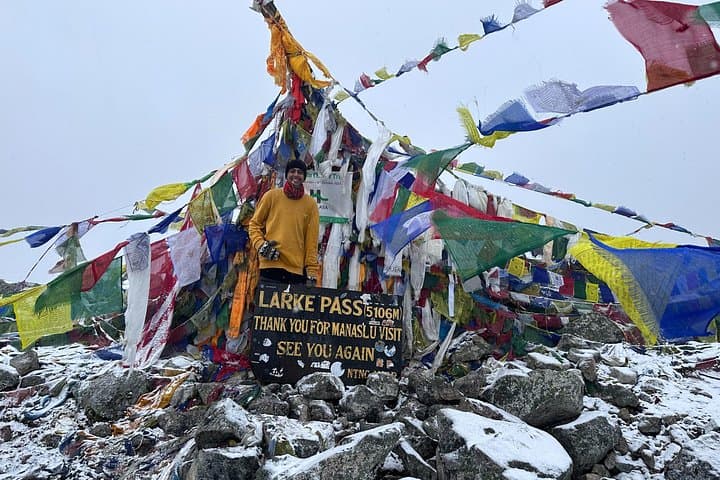
A remote, culture-rich crossing through Nepal’s Manaslu and Tsum Valley that culminates at 5,215 m Larke La. This 24–25 day trek mixes high-altitude passes, isolated monasteries and long days on stone trails—best for well-prepared trekkers.
A remote, culture-rich crossing through Nepal’s Manaslu and Tsum Valley that culminates at 5,215 m Larke La. This 24–25 day trek mixes high-altitude passes, isolated monasteries and long days on stone trails—best for well-prepared trekkers.
At first light the Budhi Gandaki gorges glow like iron braided with silver; trekkers shoulder packs and step onto trails that rise, fall and then climb again toward prayer flags and the ragged teeth of the Manaslu range.
Verified experiences and guided adventures in the surrounding area.
Operated by Trekking Planner Nepal · Samagaon, Gandaki Province
At first light the Budhi Gandaki gorges glow like iron braided with silver; trekkers shoulder packs and step onto trails that rise, fall and then climb again toward prayer flags and the ragged teeth of the Manaslu range.
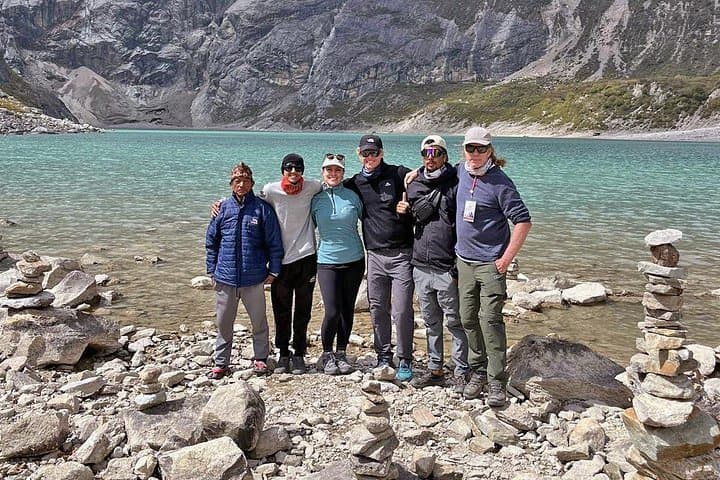
This 24–25 day route threads lower Gorkha villages, the sheltered Tibetan-influenced Tsum Valley and the high camp at Larke La (5,215 m), giving sustained mountain views and close encounters with Buddhist gompas such as Mu and Rachen. Geologically the route moves from river-carved valleys and terraced farmland into glacially scoured high basins and moraine ridges; expect long stone staircases, carved ledges and wind-swept scree above 4,000 m.
Tsum’s villages retain centuries-old Tibetan rites—nunneries, carved mani walls and yak-stacked fields—while local agriculture centers on potatoes, barley and limited greenhouse vegetables.
Practically: permits (ACAP/MCAP and Manaslu special permit) are mandatory and checked at Jagat; acclimatization days at Samdo/Mu Gompa are non-negotiable. Daily walks vary from 4–7 hours with several sustained ascents; the highest technical challenge is snow and steep, exposed ground on Larke La where crampons and ice-axe skills may be useful in shoulder seasons.
Timing matters—late spring and autumn bring the cleanest views and stable weather. Hydration, layered clothing, a warm sleeping bag (comfort to -10°C or lower at high camps) and good high-ankle boots are essential. Respect local customs at monasteries, pack out waste, and plan evacuation-capable travel insurance—the mountains will reward steady, prepared travelers with rare quiet and panoramic high-country exposure.
You need the ACAP permit, MCAP permit and the Manaslu special permit; permits are checked at checkpoints such as Jagat—bring passport copies and permit confirmation.
Late spring (April–May) and autumn (September–November) offer the most stable weather and clear mountain views; shoulder seasons can bring snow on Larke La.
While not strictly mandatory, prior multi-day high-altitude trekking experience is strongly recommended because of long alpine days and the 5,215 m Larke La crossing.
Operators typically arrange evacuation logistics but you must have travel insurance that covers helicopter rescue and high-altitude evacuation—confirm policy limits before departure.
Trekking Planner Nepal operates guided outdoor trips and adventures with an emphasis on safety, stewardship, and memorable experiences.


At first light the Budhi Gandaki gorges glow like iron braided with silver; trekkers shoulder packs and step onto trails that rise, fall and then climb again toward prayer flags and the ragged teeth of the Manaslu range.
At first light the Budhi Gandaki gorges glow like iron braided with silver; trekkers shoulder packs and step onto trails that rise, fall and then climb again toward prayer flags and the ragged teeth of the Manaslu range.
This 24–25 day route threads lower Gorkha villages, the sheltered Tibetan-influenced Tsum Valley and the high camp at Larke La (5,215 m), giving sustained mountain views and close encounters with Buddhist gompas such as Mu and Rachen. Geologically the route moves from river-carved valleys and terraced farmland into glacially scoured high basins and moraine ridges; expect long stone staircases, carved ledges and wind-swept scree above 4,000 m.
Tsum’s villages retain centuries-old Tibetan rites—nunneries, carved mani walls and yak-stacked fields—while local agriculture centers on potatoes, barley and limited greenhouse vegetables.
Practically: permits (ACAP/MCAP and Manaslu special permit) are mandatory and checked at Jagat; acclimatization days at Samdo/Mu Gompa are non-negotiable. Daily walks vary from 4–7 hours with several sustained ascents; the highest technical challenge is snow and steep, exposed ground on Larke La where crampons and ice-axe skills may be useful in shoulder seasons.
Timing matters—late spring and autumn bring the cleanest views and stable weather. Hydration, layered clothing, a warm sleeping bag (comfort to -10°C or lower at high camps) and good high-ankle boots are essential. Respect local customs at monasteries, pack out waste, and plan evacuation-capable travel insurance—the mountains will reward steady, prepared travelers with rare quiet and panoramic high-country exposure.