THE ADVENTURE COLLECTIVE® · Independent discovery and booking for outdoor travel

Explore Manaus’s most iconic urban sights in one compact tour: the lavish Teatro Amazonas, Praça da Matriz, historic palaces and the lively fish and banana markets along the riverfront. Perfect for travelers wanting cultural history, market life and a quick taste of Amazonian urbanity.
Explore Manaus’s most iconic urban sights in one compact tour: the lavish Teatro Amazonas, Praça da Matriz, historic palaces and the lively fish and banana markets along the riverfront. Perfect for travelers wanting cultural history, market life and a quick taste of Amazonian urbanity.
Stepping out of the riverfront humidity onto Avenida Eduardo Ribeiro, the brick-and-steel face of Teatro Amazonas stops you—its painted dome a bright punctuation against tropical sky. This four-hour city tour threads through Manaus’s urban pulse: the ornate opera house, the colonial Praça da Matriz, the historic Rio Negro Palace and the bustle of the fish and banana markets where vendors haggle beside stacks of exotic produce.
Verified experiences and guided adventures in the surrounding area.
Operated by Amazing Tours Agency · Manaus, Amazonas
Stepping out of the riverfront humidity onto Avenida Eduardo Ribeiro, the brick-and-steel face of Teatro Amazonas stops you—its painted dome a bright punctuation against tropical sky. This four-hour city tour threads through Manaus’s urban pulse: the ornate opera house, the colonial Praça da Matriz, the historic Rio Negro Palace and the bustle of the fish and banana markets where vendors haggle beside stacks of exotic produce.
Manaus grew rich during the late 19th-century rubber boom; the opera house is a direct product of that era, imported marble and Italian tile financed by Amazon rubber barons. Geologically, the city sits at the meeting of two river systems: the dark Rio Negro and the sandy Solimões a short distance upstream; the hydrology shaped trade and settlement patterns that created today’s port and markets.
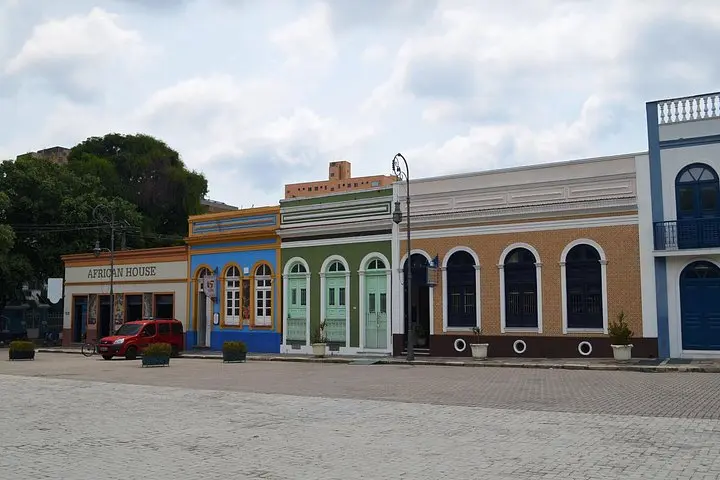
Culturally, expect Afro-indigenous influences in food and music, and a pragmatic urban Amazonian life—boats, markets, and palms sharing space with colonial facades. Local guides often pause to explain the opera house’s imported furnishings and the port’s role in regional trade.
Practical guidance: wear breathable shoes for uneven sidewalks, bring cash for market purchases, and plan for sudden rain—storms are frequent. The tour includes hotel or port pickup; admissions to specific museums may cost extra. Early afternoons are best for clearer light at the opera house and cooler river breezes. This itinerary is a compact, sensory introduction to Manaus’s history and its contemporary city rhythms—urban storytelling with the Amazon just across the water.
Admissions are typically not included; the guide provides history and an external visit, while entry depends on performance schedules and may require an additional ticket.
Yes—hotel and port pickup/drop-off are offered; exact pickup time is communicated by the local operator and may vary with traffic.
Market areas and some plazas have uneven surfaces and narrow aisles; accessibility is limited—contact the provider to discuss specific needs.
Yes—children are welcome, but note that markets can be crowded and guides recommend supervising young kids and using sun protection.
Amazing Tours Agency operates guided outdoor trips and adventures with an emphasis on safety, stewardship, and memorable experiences.
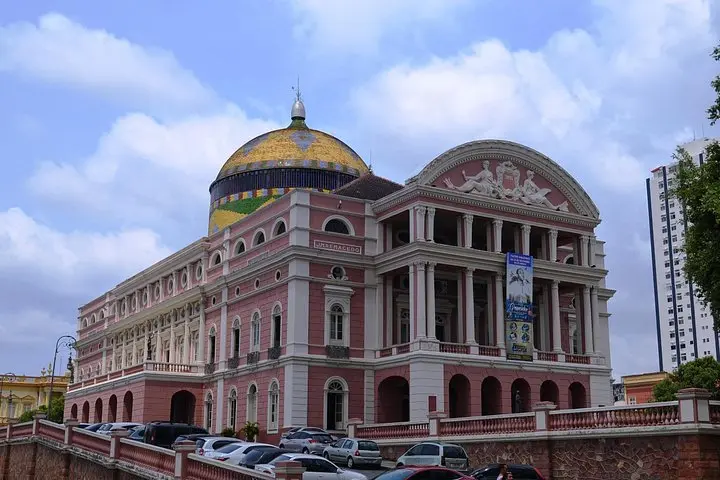
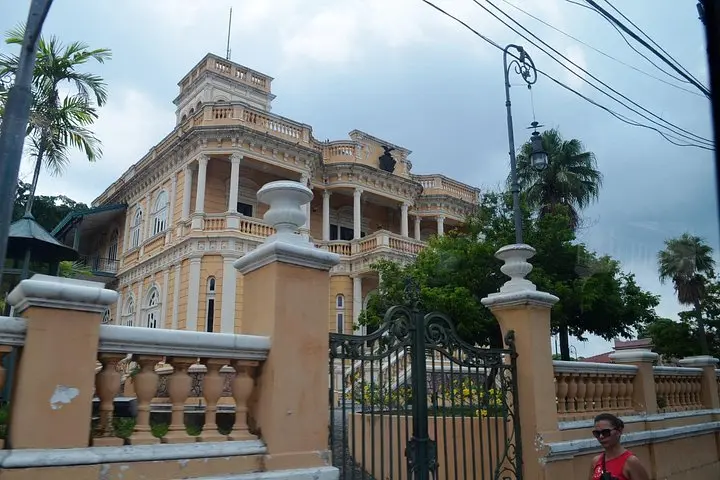
Stepping out of the riverfront humidity onto Avenida Eduardo Ribeiro, the brick-and-steel face of Teatro Amazonas stops you—its painted dome a bright punctuation against tropical sky. This four-hour city tour threads through Manaus’s urban pulse: the ornate opera house, the colonial Praça da Matriz, the historic Rio Negro Palace and the bustle of the fish and banana markets where vendors haggle beside stacks of exotic produce.
Stepping out of the riverfront humidity onto Avenida Eduardo Ribeiro, the brick-and-steel face of Teatro Amazonas stops you—its painted dome a bright punctuation against tropical sky. This four-hour city tour threads through Manaus’s urban pulse: the ornate opera house, the colonial Praça da Matriz, the historic Rio Negro Palace and the bustle of the fish and banana markets where vendors haggle beside stacks of exotic produce.
Manaus grew rich during the late 19th-century rubber boom; the opera house is a direct product of that era, imported marble and Italian tile financed by Amazon rubber barons. Geologically, the city sits at the meeting of two river systems: the dark Rio Negro and the sandy Solimões a short distance upstream; the hydrology shaped trade and settlement patterns that created today’s port and markets.
Culturally, expect Afro-indigenous influences in food and music, and a pragmatic urban Amazonian life—boats, markets, and palms sharing space with colonial facades. Local guides often pause to explain the opera house’s imported furnishings and the port’s role in regional trade.
Practical guidance: wear breathable shoes for uneven sidewalks, bring cash for market purchases, and plan for sudden rain—storms are frequent. The tour includes hotel or port pickup; admissions to specific museums may cost extra. Early afternoons are best for clearer light at the opera house and cooler river breezes. This itinerary is a compact, sensory introduction to Manaus’s history and its contemporary city rhythms—urban storytelling with the Amazon just across the water.