THE ADVENTURE COLLECTIVE® · Independent discovery and booking for outdoor travel

Board a small boat at dusk and glide into the Amazon’s night, where expert guides use soft beams to reveal the glowing eyes of caimans and other nocturnal life. This four-hour tour from Manaus pairs easy logistics with a focused, educational wildlife encounter.
Board a small boat at dusk and glide into the Amazon’s night, where expert guides use soft beams to reveal the glowing eyes of caimans and other nocturnal life. This four-hour tour from Manaus pairs easy logistics with a focused, educational wildlife encounter.
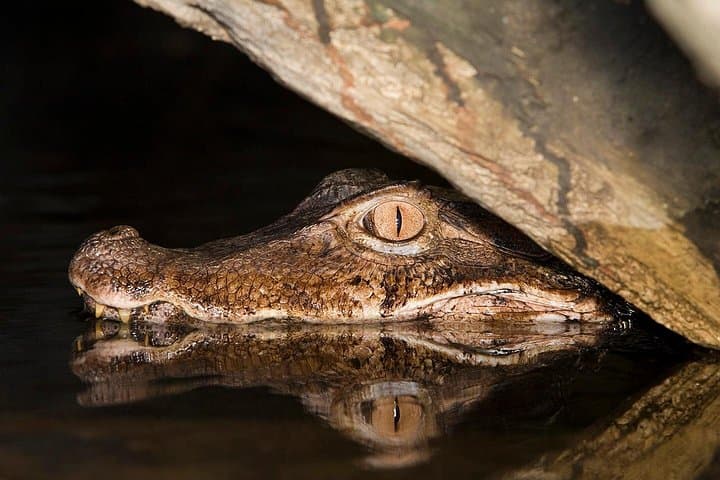
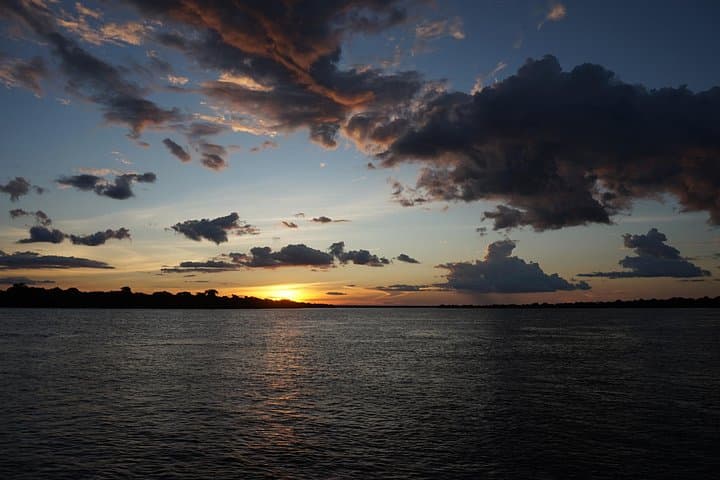
The boat slips away from the Manaus docks as dusk drains the last heat from the city. Torches flick across the hull, and for a moment the skyline’s neon—fading into the humid air—feels like a different world. Out on the Solimões, the river takes over: a wide, breathing highway of chocolate-brown water that carries the jungle’s scents and the night’s chorus. Guides shine narrow beams into shadowed channels; eyes reflect back—small, eerie, electric—then vanish. This is caiman country.
Verified experiences and guided adventures in the surrounding area.
Operated by Tangol · Manaus, Amazonas
The boat slips away from the Manaus docks as dusk drains the last heat from the city. Torches flick across the hull, and for a moment the skyline’s neon—fading into the humid air—feels like a different world. Out on the Solimões, the river takes over: a wide, breathing highway of chocolate-brown water that carries the jungle’s scents and the night’s chorus. Guides shine narrow beams into shadowed channels; eyes reflect back—small, eerie, electric—then vanish. This is caiman country.
The outing runs along the Solimões and into side channels where the forest leans close to the water. The Amazon’s slow geology is legible here: the river’s immense sediment load creates braided channels and flooded forests called igapó. That interplay—river burying land while carving new paths—has shaped lifeways for millennia; Indigenous and ribeirinho communities read the seasons in the rise and fall of these waters. The rubber boom in Manaus left a different mark—ornate opera houses and a port city at the edge of wilderness—proof that the Amazon’s rhythms have long drawn outsiders.
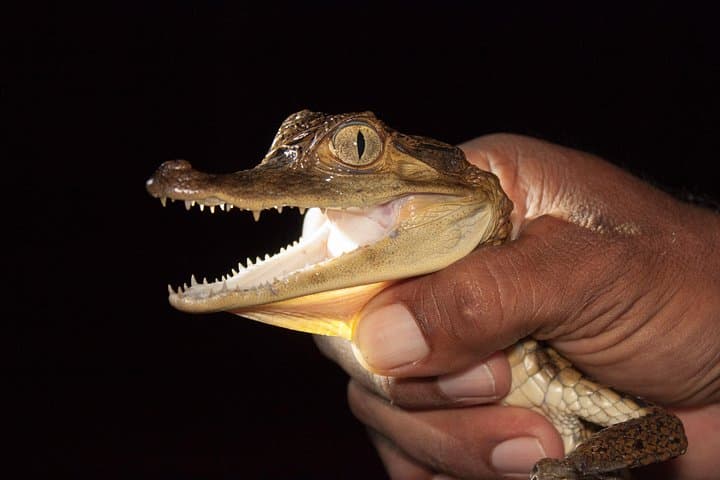
At night the river seems to move with intent. Branches dip like curiosity; the current tests boat hulls; bats and nocturnal birds patrol the canopy edges. Black caimans, the largest predator of these waterways, are the main draw: patient, motionless, their low profiles and reflective eyes the classic Amazon sight at night. Guides trained in local ecology explain how caimans regulate fish populations and why keeping distance matters—conservation and safety go hand in hand.
Practicalities are simple but important. The tour lasts about four hours and includes hotel pickup in Manaus, making it an easy add-on to an overnight stay. Dress for humidity and mosquitoes: lightweight, long sleeves and pants, and a quiet rubber-soled shoe for boarding. Bring a headlamp and a camera with good low-light capability; guides use flashlights and night techniques to spotlight wildlife without disturbing it. Expect slow, sometimes wet rides into narrow channels; the boat’s pace and your guide’s eyes create chances for multiple sightings rather than an instant spectacle.
Timing matters: the early dry season often concentrates wildlife in channels accessible by small boats, while the wetter months flood more forest but disperse animals. Respect local protocols—no swimming, no loud lights, and follow the guide’s instructions. The result is a compact, atmospheric wild-night experience: Manaus behind you, the Amazon alive ahead, and the river’s inhabitants revealing themselves in cautious flashes as the jungle keeps watch.
The experience is approximately four hours from hotel pickup to drop-off.
No—wildlife sightings depend on season, water levels, and animal behavior; guides maximize chances by choosing quiet channels and proven spots.
Yes, but infants must sit on an adult’s lap and children should be supervised at all times.
Light, breathable long sleeves and pants, sturdy non-slip shoes, and a light rain jacket are recommended.
No meals are specified; bring water and a light snack if you may need it during the four-hour outing.
Hotel pickups in Manaus are included for selected hotels; exact pickup times are confirmed after booking.
Tangol operates guided outdoor trips and adventures with an emphasis on safety, stewardship, and memorable experiences.

The boat slips away from the Manaus docks as dusk drains the last heat from the city. Torches flick across the hull, and for a moment the skyline’s neon—fading into the humid air—feels like a different world. Out on the Solimões, the river takes over: a wide, breathing highway of chocolate-brown water that carries the jungle’s scents and the night’s chorus. Guides shine narrow beams into shadowed channels; eyes reflect back—small, eerie, electric—then vanish. This is caiman country.
The boat slips away from the Manaus docks as dusk drains the last heat from the city. Torches flick across the hull, and for a moment the skyline’s neon—fading into the humid air—feels like a different world. Out on the Solimões, the river takes over: a wide, breathing highway of chocolate-brown water that carries the jungle’s scents and the night’s chorus. Guides shine narrow beams into shadowed channels; eyes reflect back—small, eerie, electric—then vanish. This is caiman country.
The outing runs along the Solimões and into side channels where the forest leans close to the water. The Amazon’s slow geology is legible here: the river’s immense sediment load creates braided channels and flooded forests called igapó. That interplay—river burying land while carving new paths—has shaped lifeways for millennia; Indigenous and ribeirinho communities read the seasons in the rise and fall of these waters. The rubber boom in Manaus left a different mark—ornate opera houses and a port city at the edge of wilderness—proof that the Amazon’s rhythms have long drawn outsiders.
At night the river seems to move with intent. Branches dip like curiosity; the current tests boat hulls; bats and nocturnal birds patrol the canopy edges. Black caimans, the largest predator of these waterways, are the main draw: patient, motionless, their low profiles and reflective eyes the classic Amazon sight at night. Guides trained in local ecology explain how caimans regulate fish populations and why keeping distance matters—conservation and safety go hand in hand.
Practicalities are simple but important. The tour lasts about four hours and includes hotel pickup in Manaus, making it an easy add-on to an overnight stay. Dress for humidity and mosquitoes: lightweight, long sleeves and pants, and a quiet rubber-soled shoe for boarding. Bring a headlamp and a camera with good low-light capability; guides use flashlights and night techniques to spotlight wildlife without disturbing it. Expect slow, sometimes wet rides into narrow channels; the boat’s pace and your guide’s eyes create chances for multiple sightings rather than an instant spectacle.
Timing matters: the early dry season often concentrates wildlife in channels accessible by small boats, while the wetter months flood more forest but disperse animals. Respect local protocols—no swimming, no loud lights, and follow the guide’s instructions. The result is a compact, atmospheric wild-night experience: Manaus behind you, the Amazon alive ahead, and the river’s inhabitants revealing themselves in cautious flashes as the jungle keeps watch.