THE ADVENTURE COLLECTIVE® · Independent discovery and booking for outdoor travel

Leave the French Quarter for a 7½-hour day that pairs a private Manchac Swamp boat ride with a sobering, self-guided tour of Whitney Plantation. Expect close wildlife viewing, Cajun captain narration, and a focused look at slavery’s history on Louisiana sugarcane land.
Leave the French Quarter for a 7½-hour day that pairs a private Manchac Swamp boat ride with a sobering, self-guided tour of Whitney Plantation. Expect close wildlife viewing, Cajun captain narration, and a focused look at slavery’s history on Louisiana sugarcane land.
You step away from the French Quarter’s clamor and into a hush that sounds like water threading through roots. The tour departs from the Steamboat Natchez dock at Toulouse Street; within thirty minutes the urban skyline slides behind you and the highway noise is replaced by croaking frogs and the wind in bald cypress knees. The covered pontoon pushes into a private pocket of Manchac Swamp, where moss-armed trees lean over tannin-stained channels and the guides—Cajun captains who grew up on these banks—point out telltale sun glints that signal an alligator close by.
Verified experiences and guided adventures in the surrounding area.
Operated by Gray Line New Orleans · New Orleans, Louisiana
You step away from the French Quarter’s clamor and into a hush that sounds like water threading through roots. The tour departs from the Steamboat Natchez dock at Toulouse Street; within thirty minutes the urban skyline slides behind you and the highway noise is replaced by croaking frogs and the wind in bald cypress knees. The covered pontoon pushes into a private pocket of Manchac Swamp, where moss-armed trees lean over tannin-stained channels and the guides—Cajun captains who grew up on these banks—point out telltale sun glints that signal an alligator close by.
The day pairs two distinct Louisiana stories. At Whitney Plantation, visitors follow a self-paced audio tour through a museum dedicated entirely to the enslaved people who lived and worked on sugarcane land. Exhibits, restored outbuildings, and voice-first narratives place the human cost of the region’s economy in sharp relief—history told through lived experience rather than through planter biographies.
Geologically, the trip traces the Gulf coast’s interplay of river and sea: the vast Pontchartrain estuary, marshes that hold sediment from the Mississippi, and the swamp’s brackish fingerings. These wetland systems shaped local livelihoods—oysters, trapping, and reed-grown boatbuilding—and shaped Cajun culture, a set of practices and speech that still steers small-boat life. Captains layer folklore—Frenier’s storm stories, trapping traditions—over field identification of cypress, Spanish moss, and the mud-loving marsh grasses.
Practicalities are straightforward. The full excursion runs about 7½ hours with narrated round-trip transportation from downtown New Orleans. Plan to arrive 15 minutes early to check in at the Gray Line Lighthouse ticket office behind JAX Brewery. Wear non-slip shoes for boarding, bring insect repellent and sun protection, and carry a refillable water bottle; a snack and refreshments are available at the refuge pavilion. The swamp segment is calm but open-air—expect sun and humidity in summer and early mornings in cooler months.
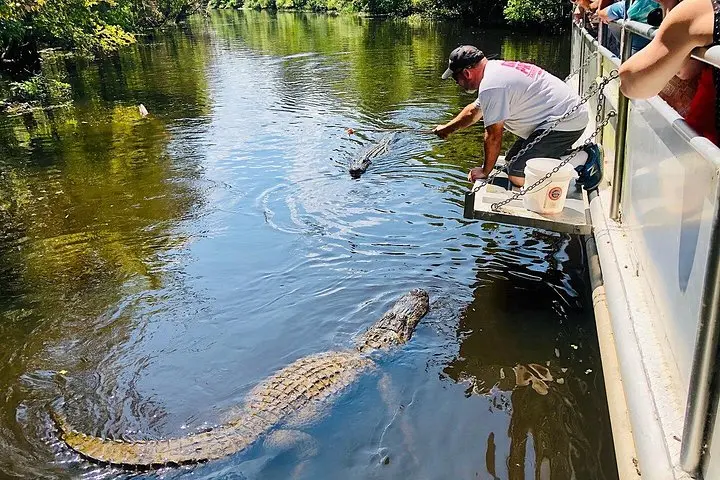
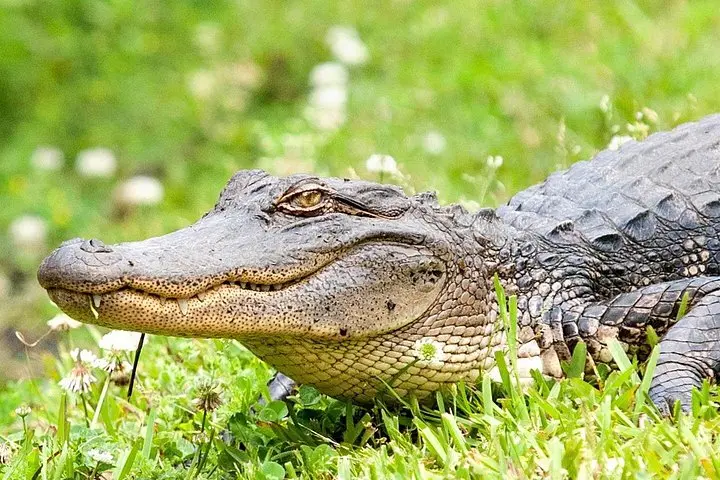
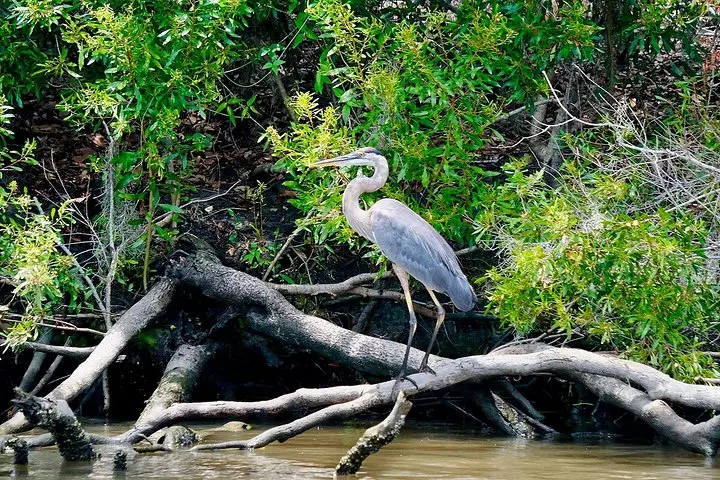
Wildlife encounters are a highlight: American alligators will sometimes leap for baited snacks during demonstrations, wading birds hunt along the shallows, and river otters may slip away beneath the surface. Whitney’s grounds are accessible and the tour suits a wide range of fitness levels, but the full day requires comfortable shoes and patience for reflective history.
For photographers, the best frames come from the boat’s forward rail and Whitney’s exterior walkways—golden light on cypress and the straight, sober lines of plantation outbuildings make strong compositions. Above all, the combo of swamp and plantation offers a layered Louisiana story: living ecosystems and living memory pressed together into a single, instructive day outside the city.
The tour departs from and returns to the Gray Line Lighthouse at the Steamboat Natchez dock (400 Toulouse St., one block from Jackson Square); arrive 15 minutes early.
Whitney is a self-paced audio tour with on-site exhibits and restored outbuildings; admission to Whitney is included in this tour’s itinerary.
Restrooms are available at Whitney Plantation and at the private refuge pavilion; light snacks and beverages are offered during the swamp visit.
The operator lists wheelchair accessibility—contact the operator ahead of time to arrange accommodations and advise of mobility needs.
Alligator sightings are common and captains may prompt close jumps during feeding demonstrations, but wildlife cannot be guaranteed.
For a full refund cancel at least 24 hours before departure; tours may be canceled for bad weather or insufficient travelers.
Gray Line New Orleans operates guided outdoor trips and adventures with an emphasis on safety, stewardship, and memorable experiences.
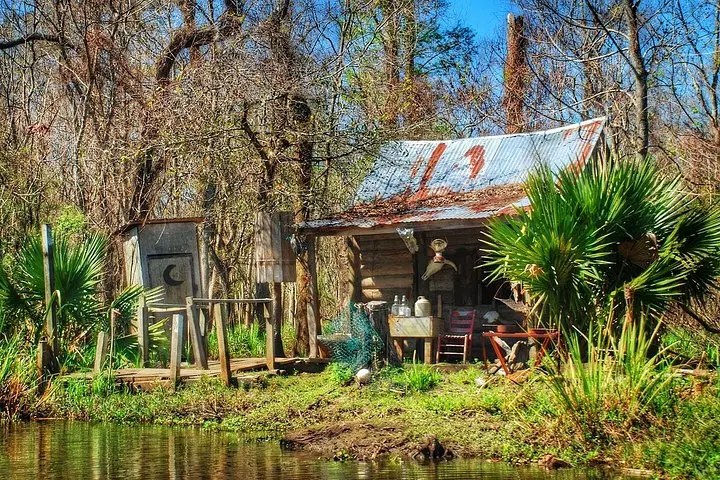
You step away from the French Quarter’s clamor and into a hush that sounds like water threading through roots. The tour departs from the Steamboat Natchez dock at Toulouse Street; within thirty minutes the urban skyline slides behind you and the highway noise is replaced by croaking frogs and the wind in bald cypress knees. The covered pontoon pushes into a private pocket of Manchac Swamp, where moss-armed trees lean over tannin-stained channels and the guides—Cajun captains who grew up on these banks—point out telltale sun glints that signal an alligator close by.
You step away from the French Quarter’s clamor and into a hush that sounds like water threading through roots. The tour departs from the Steamboat Natchez dock at Toulouse Street; within thirty minutes the urban skyline slides behind you and the highway noise is replaced by croaking frogs and the wind in bald cypress knees. The covered pontoon pushes into a private pocket of Manchac Swamp, where moss-armed trees lean over tannin-stained channels and the guides—Cajun captains who grew up on these banks—point out telltale sun glints that signal an alligator close by.
The day pairs two distinct Louisiana stories. At Whitney Plantation, visitors follow a self-paced audio tour through a museum dedicated entirely to the enslaved people who lived and worked on sugarcane land. Exhibits, restored outbuildings, and voice-first narratives place the human cost of the region’s economy in sharp relief—history told through lived experience rather than through planter biographies.
Geologically, the trip traces the Gulf coast’s interplay of river and sea: the vast Pontchartrain estuary, marshes that hold sediment from the Mississippi, and the swamp’s brackish fingerings. These wetland systems shaped local livelihoods—oysters, trapping, and reed-grown boatbuilding—and shaped Cajun culture, a set of practices and speech that still steers small-boat life. Captains layer folklore—Frenier’s storm stories, trapping traditions—over field identification of cypress, Spanish moss, and the mud-loving marsh grasses.
Practicalities are straightforward. The full excursion runs about 7½ hours with narrated round-trip transportation from downtown New Orleans. Plan to arrive 15 minutes early to check in at the Gray Line Lighthouse ticket office behind JAX Brewery. Wear non-slip shoes for boarding, bring insect repellent and sun protection, and carry a refillable water bottle; a snack and refreshments are available at the refuge pavilion. The swamp segment is calm but open-air—expect sun and humidity in summer and early mornings in cooler months.
Wildlife encounters are a highlight: American alligators will sometimes leap for baited snacks during demonstrations, wading birds hunt along the shallows, and river otters may slip away beneath the surface. Whitney’s grounds are accessible and the tour suits a wide range of fitness levels, but the full day requires comfortable shoes and patience for reflective history.
For photographers, the best frames come from the boat’s forward rail and Whitney’s exterior walkways—golden light on cypress and the straight, sober lines of plantation outbuildings make strong compositions. Above all, the combo of swamp and plantation offers a layered Louisiana story: living ecosystems and living memory pressed together into a single, instructive day outside the city.