THE ADVENTURE COLLECTIVE® · Independent discovery and booking for outdoor travel

See Manchester’s civic squares, canals and cultural landmarks in a focused 2½-hour guided walk. Small groups and knowledgeable guides make this one of the most efficient ways to understand the city’s industrial past and contemporary life.
See Manchester’s civic squares, canals and cultural landmarks in a focused 2½-hour guided walk. Small groups and knowledgeable guides make this one of the most efficient ways to understand the city’s industrial past and contemporary life.
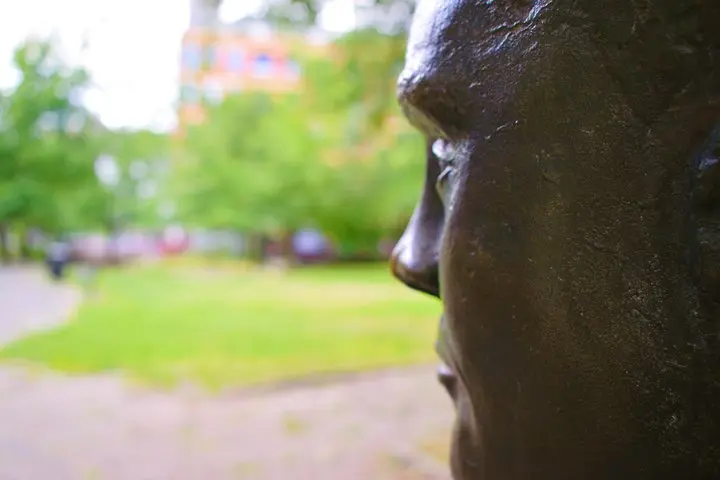
A brisk autumn light falls across Deansgate as the group threads between Victorian façades and gleaming glass. The guide pauses at a stone memorial, voice lowering into the hum of traffic and tram bells, and the city’s layered story—the mills, the marches, the music—unspools across the next two and a half hours.
Verified experiences and guided adventures in the surrounding area.
Operated by Si Manchester · Manchester, Greater Manchester
A brisk autumn light falls across Deansgate as the group threads between Victorian façades and gleaming glass. The guide pauses at a stone memorial, voice lowering into the hum of traffic and tram bells, and the city’s layered story—the mills, the marches, the music—unspools across the next two and a half hours.
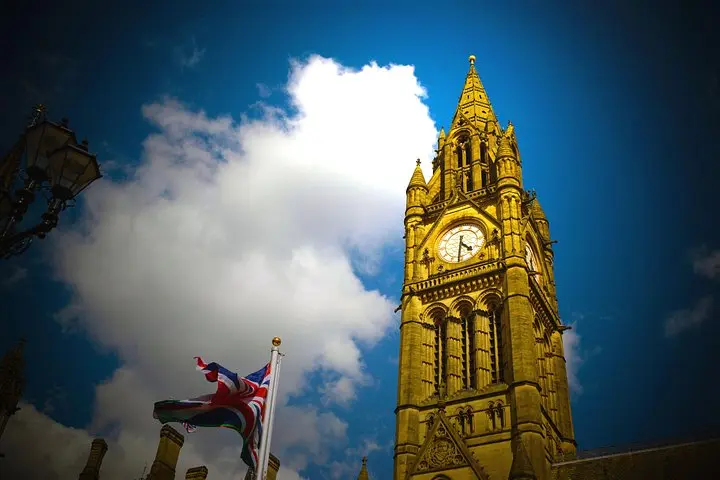
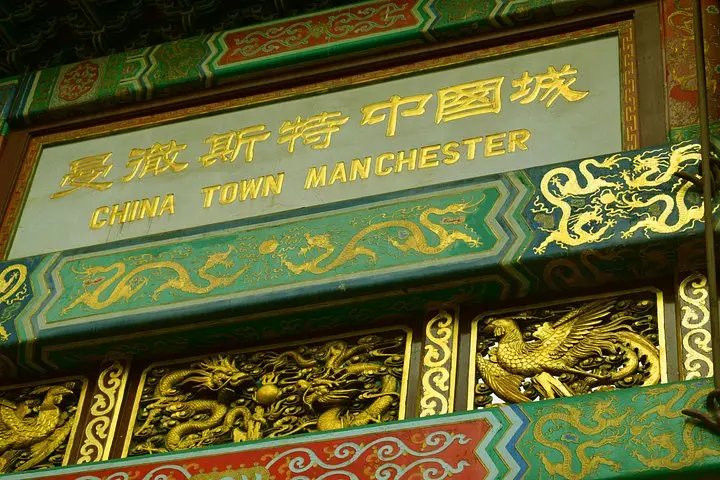
The tour tracks Manchester’s rise from textile powerhouse to modern cultural hub: the first man-made canals that brought coal and cloth to warehouse basins, the red-brick mills converted to apartments and creative studios, and the civic pride of Albert Square and the Town Hall. Expect stops at Central Library, Manchester Cathedral, the Royal Exchange and Chinatown; the route touches sites tied to suffragism, the city’s musical institutions and figures such as Alan Turing.
Grounded in urban fabric rather than wild geology, the walk highlights engineered waterways, cobbled lanes and hidden courtyards that reveal how industry shaped street patterns and public life. Guides mix architectural detail with local color—where to catch the Halle, which alleyway hides the best coffee, and the story behind the canals that dared to reroute commerce.
Practicalities: the shared, small-group format covers roughly 3–4 km on mostly flat pavements and occasional cobbles; the pace allows for photo stops and short interiors. It’s wheelchair- and stroller-accessible with public transport nearby; wear supportive shoes, dress for changeable weather, and bring a small bottle of water. The tour includes a curated list of 101 local things to do and is refundable if cancelled more than 24 hours in advance. This is an efficient, urban-focused way to read Manchester’s history with a guide who points out the city’s quieter secrets as well as its headline sights.
The tour lasts about 2½ hours and covers approximately 3–4 km at an easy pace with multiple stops for commentary and photos.
Yes; the itinerary and transportation options are wheelchair- and stroller-accessible, and surfaces are mostly pavement with some cobbles.
Most stops are exterior or short interiors; a few sites may have optional paid entry but the tour does not require purchasing museum tickets.
Full refund if you cancel at least 24 hours before departure; tours may also be cancelled if weather is severe or if minimum numbers aren’t met.
Si Manchester operates guided outdoor trips and adventures with an emphasis on safety, stewardship, and memorable experiences.
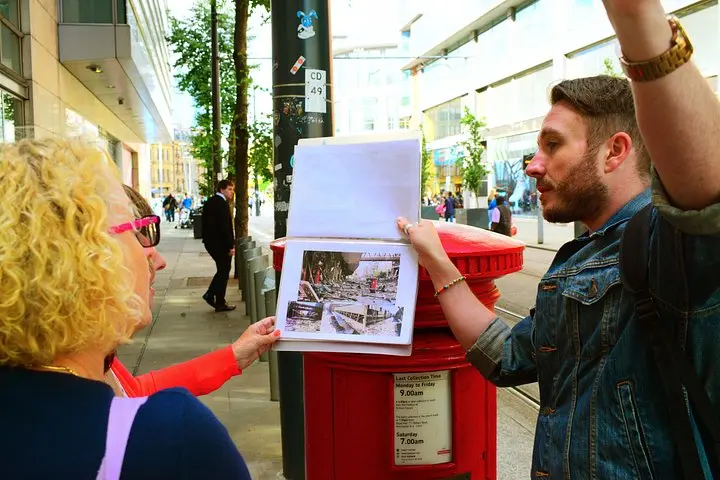
A brisk autumn light falls across Deansgate as the group threads between Victorian façades and gleaming glass. The guide pauses at a stone memorial, voice lowering into the hum of traffic and tram bells, and the city’s layered story—the mills, the marches, the music—unspools across the next two and a half hours.
A brisk autumn light falls across Deansgate as the group threads between Victorian façades and gleaming glass. The guide pauses at a stone memorial, voice lowering into the hum of traffic and tram bells, and the city’s layered story—the mills, the marches, the music—unspools across the next two and a half hours.
The tour tracks Manchester’s rise from textile powerhouse to modern cultural hub: the first man-made canals that brought coal and cloth to warehouse basins, the red-brick mills converted to apartments and creative studios, and the civic pride of Albert Square and the Town Hall. Expect stops at Central Library, Manchester Cathedral, the Royal Exchange and Chinatown; the route touches sites tied to suffragism, the city’s musical institutions and figures such as Alan Turing.
Grounded in urban fabric rather than wild geology, the walk highlights engineered waterways, cobbled lanes and hidden courtyards that reveal how industry shaped street patterns and public life. Guides mix architectural detail with local color—where to catch the Halle, which alleyway hides the best coffee, and the story behind the canals that dared to reroute commerce.
Practicalities: the shared, small-group format covers roughly 3–4 km on mostly flat pavements and occasional cobbles; the pace allows for photo stops and short interiors. It’s wheelchair- and stroller-accessible with public transport nearby; wear supportive shoes, dress for changeable weather, and bring a small bottle of water. The tour includes a curated list of 101 local things to do and is refundable if cancelled more than 24 hours in advance. This is an efficient, urban-focused way to read Manchester’s history with a guide who points out the city’s quieter secrets as well as its headline sights.