THE ADVENTURE COLLECTIVE® · Independent discovery and booking for outdoor travel

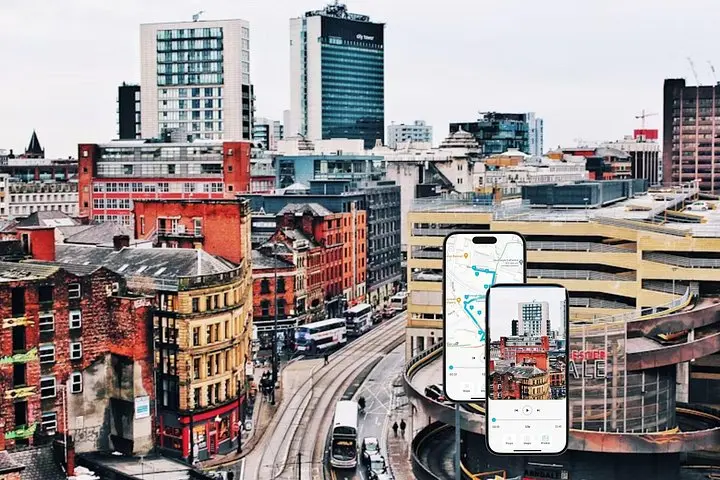
Trace Manchester’s transformation from medieval market town to industrial powerhouse on a two-hour self-guided walking tour. Visit Gothic landmarks, hidden medieval remnants and the National Football Museum with offline audio and maps to steer your route.
Trace Manchester’s transformation from medieval market town to industrial powerhouse on a two-hour self-guided walking tour. Visit Gothic landmarks, hidden medieval remnants and the National Football Museum with offline audio and maps to steer your route.
You step out onto Piccadilly Gardens and the city exhales history—tramlines click, a breeze off the Irwell dares you to follow streets that once fed the mills. Cobbled alleys open into cathedral shadows; the Victorian stone of John Rylands Library leans in like a stern lecturer, while Chinatown hums with a different kind of energy.
Verified experiences and guided adventures in the surrounding area.
Operated by Tourific · Manchester, Greater Manchester
You step out onto Piccadilly Gardens and the city exhales history—tramlines click, a breeze off the Irwell dares you to follow streets that once fed the mills. Cobbled alleys open into cathedral shadows; the Victorian stone of John Rylands Library leans in like a stern lecturer, while Chinatown hums with a different kind of energy.
This two-hour loop maps Manchester’s dramatic arc from medieval market town to engine of the Industrial Revolution. You’ll pass the medieval Hanging Bridge and the creased stone of The Old Wellington (1552), then move through Edwardian façades on London Road. The city’s geology is subtle—glacial clay plains underlie the asphalt—so expect even, paved walking with occasional steps and cobbles rather than true elevation.
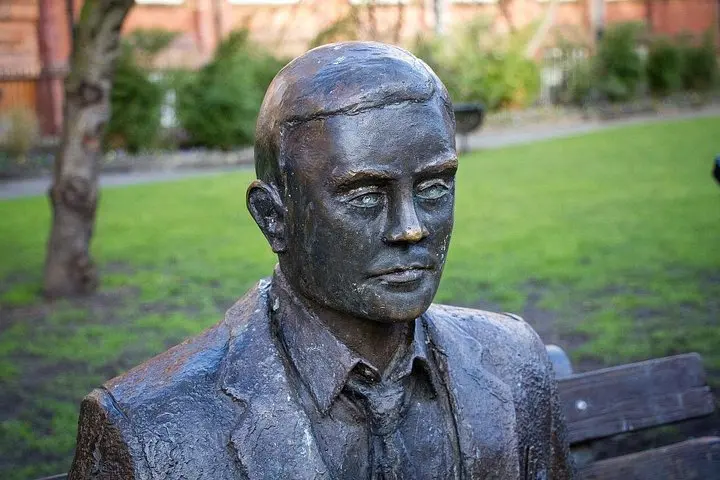
Cultural threads run thick: Alan Turing’s memorial speaks to scientific rebellion; the National Football Museum ends the route with a civic celebration of identity and mass culture. Along the way, industrial-era canals and the River Irwell act like urban companions, urging you to consider how water powered cotton, trade and the social upheavals that followed.
Practical guidance: plan for roughly 3–4 km of walking over two hours on mostly even urban surfaces. Download the offline audio and map before you leave; many stops are interpretive rather than entrance-based, so carry a lightweight jacket for Manchester’s fickle weather and wear supportive shoes for cobbles and city steps. Midday and late afternoon offer the best light for photographs and quieter side streets.
No—this is self-guided with instant access; download the tour and start whenever you like within your access period.
Much of the route is on paved streets and accessible, but expect occasional cobbles and steps near historic buildings—check individual stops for full accessibility details.
No—this tour is interpretive and pass-by in nature; museum entries like the John Rylands Library or National Football Museum may require separate admission.
Plan for about 2 hours and roughly 3–4 km, depending on how long you linger at each stop.
Tourific operates guided outdoor trips and adventures with an emphasis on safety, stewardship, and memorable experiences.
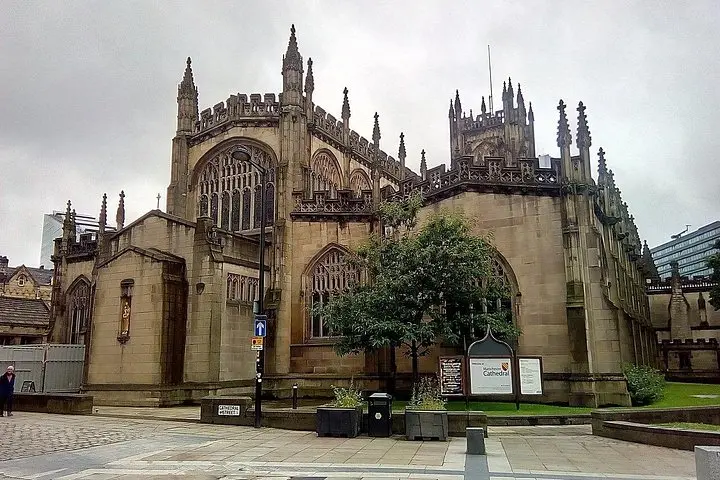
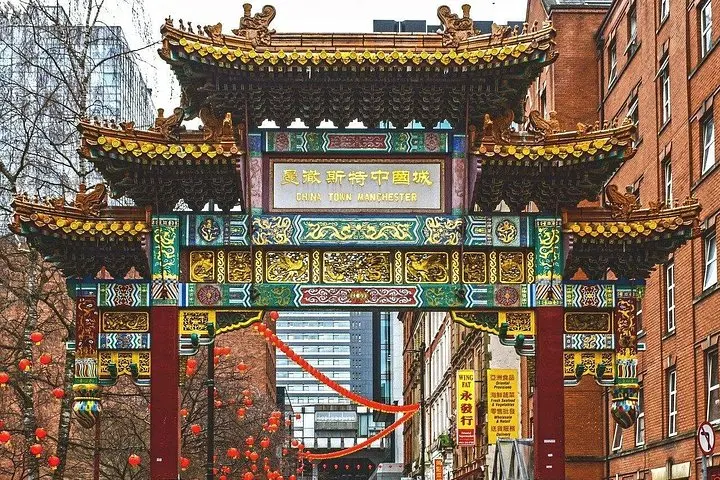
You step out onto Piccadilly Gardens and the city exhales history—tramlines click, a breeze off the Irwell dares you to follow streets that once fed the mills. Cobbled alleys open into cathedral shadows; the Victorian stone of John Rylands Library leans in like a stern lecturer, while Chinatown hums with a different kind of energy.
You step out onto Piccadilly Gardens and the city exhales history—tramlines click, a breeze off the Irwell dares you to follow streets that once fed the mills. Cobbled alleys open into cathedral shadows; the Victorian stone of John Rylands Library leans in like a stern lecturer, while Chinatown hums with a different kind of energy.
This two-hour loop maps Manchester’s dramatic arc from medieval market town to engine of the Industrial Revolution. You’ll pass the medieval Hanging Bridge and the creased stone of The Old Wellington (1552), then move through Edwardian façades on London Road. The city’s geology is subtle—glacial clay plains underlie the asphalt—so expect even, paved walking with occasional steps and cobbles rather than true elevation.
Cultural threads run thick: Alan Turing’s memorial speaks to scientific rebellion; the National Football Museum ends the route with a civic celebration of identity and mass culture. Along the way, industrial-era canals and the River Irwell act like urban companions, urging you to consider how water powered cotton, trade and the social upheavals that followed.
Practical guidance: plan for roughly 3–4 km of walking over two hours on mostly even urban surfaces. Download the offline audio and map before you leave; many stops are interpretive rather than entrance-based, so carry a lightweight jacket for Manchester’s fickle weather and wear supportive shoes for cobbles and city steps. Midday and late afternoon offer the best light for photographs and quieter side streets.