THE ADVENTURE COLLECTIVE® · Independent discovery and booking for outdoor travel

A full‑day coastal loop from Máncora to Tumbes that combines warm beaches with guided mangrove exploration and wildlife viewing. Expect beach time at Punta Sal and Zorritos, then a guided boat through Puerto Pizarro’s mangroves to see birds and crocodiles.
A full‑day coastal loop from Máncora to Tumbes that combines warm beaches with guided mangrove exploration and wildlife viewing. Expect beach time at Punta Sal and Zorritos, then a guided boat through Puerto Pizarro’s mangroves to see birds and crocodiles.
You step into a morning lit by Pacific wind—Máncora’s bustle fades as the van eats up the coastal highway toward Punta Sal. Sand stretches white and quiet; the sea presses and releases in steady rhythm, daring you into shallow warmth. Later, Zorritos offers a quieter surf line where salt and sun sketch slow memories on your skin.
Verified experiences and guided adventures in the surrounding area.
Operated by ParaViajantes Tours · Máncora, Piura
You step into a morning lit by Pacific wind—Máncora’s bustle fades as the van eats up the coastal highway toward Punta Sal. Sand stretches white and quiet; the sea presses and releases in steady rhythm, daring you into shallow warmth. Later, Zorritos offers a quieter surf line where salt and sun sketch slow memories on your skin.
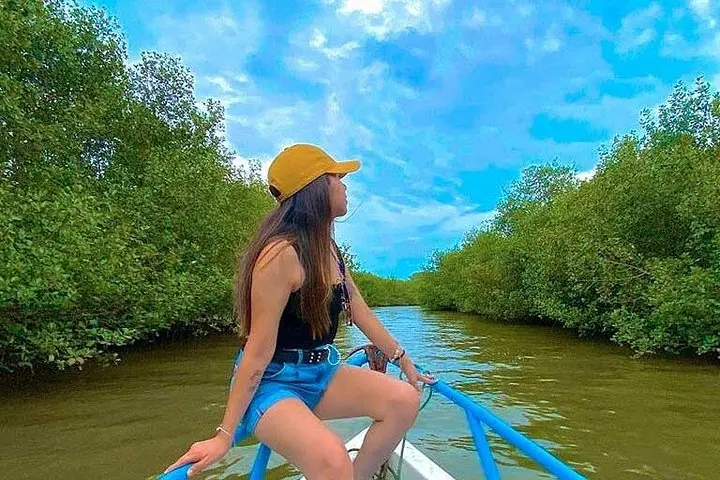
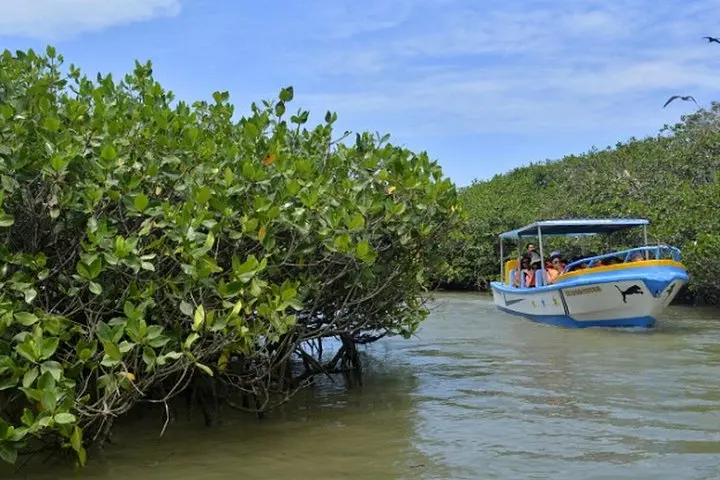
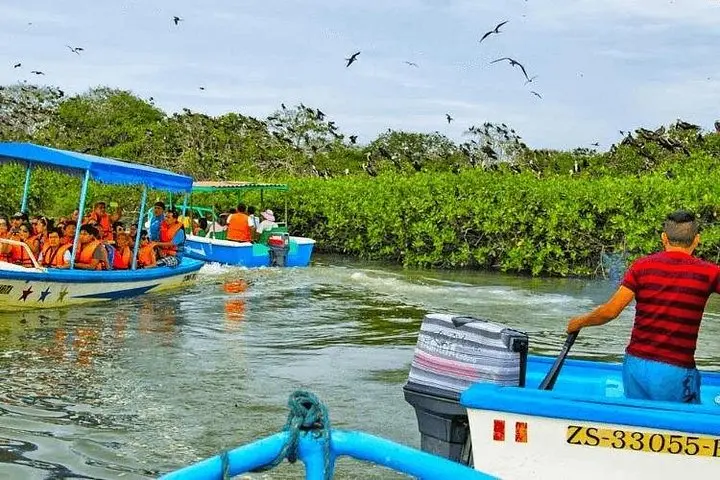
The day pivots inland at Puerto Pizarro, where mangroves take over like an organized city of roots. These forests grew on estuarine soils left by Tumbes River deposits; their knotted limbs cradle shorebirds, crabs and the crocodiles that have made this coastline famous. The region has long been a crossroads—pre‑Columbian fishing villages gave way to colonial ports, and today a living coastal culture of fishermen and shellfish collectors carries those traditions forward.
Geology here is simple and direct: sandy beaches formed by Andean sediments and Pacific currents, fractured by tidal channels that shape the mangrove flats. Guides point out the local fishing techniques and conservation efforts that protect breeding grounds and crocodile populations.
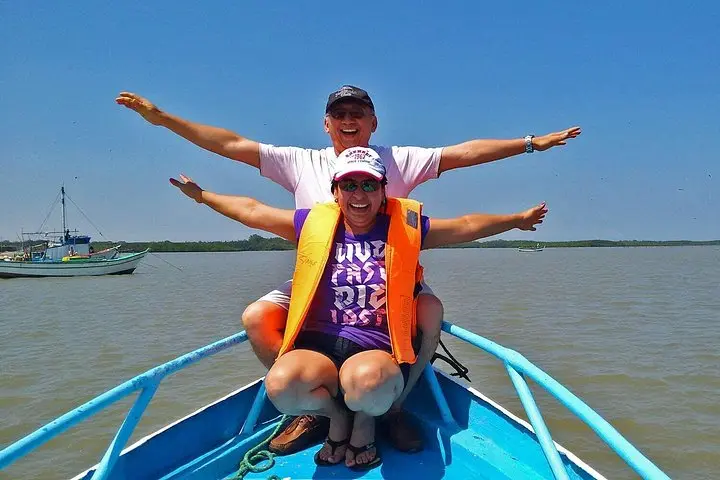
Practical side: expect a full nine‑hour day with multiple short walks, guided boat passages through mangroves, and two beach stops for photos and sun. Bring reef‑safe sunscreen, at least 2 liters of water, a light sun layer and cash for small seaside vendors. Respect posted boundaries around wildlife, follow your guide’s instructions near crocodile habitats, and schedule the tour early in your trip to adapt to coastal heat. The route is approachable for most travelers but rewards basic preparation.
Yes — roundtrip transportation from pick‑up points in Máncora is included in the tour price.
Guides take you to viewing areas where crocodiles are often visible from boats or safe shore points; close contact is avoided for safety.
The tour typically includes guided visits and transport only; bring snacks and water, and budget for local food purchases at stops.
The tour is rated easy but involves boat transfers and some dock/shore access; it's not recommended for travelers with serious mobility or spinal issues.
ParaViajantes Tours operates guided outdoor trips and adventures with an emphasis on safety, stewardship, and memorable experiences.
You step into a morning lit by Pacific wind—Máncora’s bustle fades as the van eats up the coastal highway toward Punta Sal. Sand stretches white and quiet; the sea presses and releases in steady rhythm, daring you into shallow warmth. Later, Zorritos offers a quieter surf line where salt and sun sketch slow memories on your skin.
You step into a morning lit by Pacific wind—Máncora’s bustle fades as the van eats up the coastal highway toward Punta Sal. Sand stretches white and quiet; the sea presses and releases in steady rhythm, daring you into shallow warmth. Later, Zorritos offers a quieter surf line where salt and sun sketch slow memories on your skin.
The day pivots inland at Puerto Pizarro, where mangroves take over like an organized city of roots. These forests grew on estuarine soils left by Tumbes River deposits; their knotted limbs cradle shorebirds, crabs and the crocodiles that have made this coastline famous. The region has long been a crossroads—pre‑Columbian fishing villages gave way to colonial ports, and today a living coastal culture of fishermen and shellfish collectors carries those traditions forward.
Geology here is simple and direct: sandy beaches formed by Andean sediments and Pacific currents, fractured by tidal channels that shape the mangrove flats. Guides point out the local fishing techniques and conservation efforts that protect breeding grounds and crocodile populations.
Practical side: expect a full nine‑hour day with multiple short walks, guided boat passages through mangroves, and two beach stops for photos and sun. Bring reef‑safe sunscreen, at least 2 liters of water, a light sun layer and cash for small seaside vendors. Respect posted boundaries around wildlife, follow your guide’s instructions near crocodile habitats, and schedule the tour early in your trip to adapt to coastal heat. The route is approachable for most travelers but rewards basic preparation.