THE ADVENTURE COLLECTIVE® · Independent discovery and booking for outdoor travel

A single-day private hike on Kilimanjaro’s Marangu Route reaches Mandara Hut through mossy rainforest, Chagga coffee plots and wildlife-rich trails—an ideal introduction to the mountain for time-limited travelers. Expect 3–4 hours uphill, basic hut facilities, and strong views without a summit attempt.
A single-day private hike on Kilimanjaro’s Marangu Route reaches Mandara Hut through mossy rainforest, Chagga coffee plots and wildlife-rich trails—an ideal introduction to the mountain for time-limited travelers. Expect 3–4 hours uphill, basic hut facilities, and strong views without a summit attempt.
You leave Moshi’s lowland heat behind as the van climbs toward Marangu Gate, coffee plantations thinning into the shadow of a mountain that somehow seems both impossibly vast and close enough to touch. By the time the trailhead appears — a wooden sign, a cluster of guides and porters — the forest has already taken over: moss clings to trunks, green smoke of ferns crowds the path, and birds punctuate the silence with quick, metallic notes.
Verified experiences and guided adventures in the surrounding area.
Operated by kilipath African Safaris · Moshi, Kilimanjaro Region
You leave Moshi’s lowland heat behind as the van climbs toward Marangu Gate, coffee plantations thinning into the shadow of a mountain that somehow seems both impossibly vast and close enough to touch. By the time the trailhead appears — a wooden sign, a cluster of guides and porters — the forest has already taken over: moss clings to trunks, green smoke of ferns crowds the path, and birds punctuate the silence with quick, metallic notes.
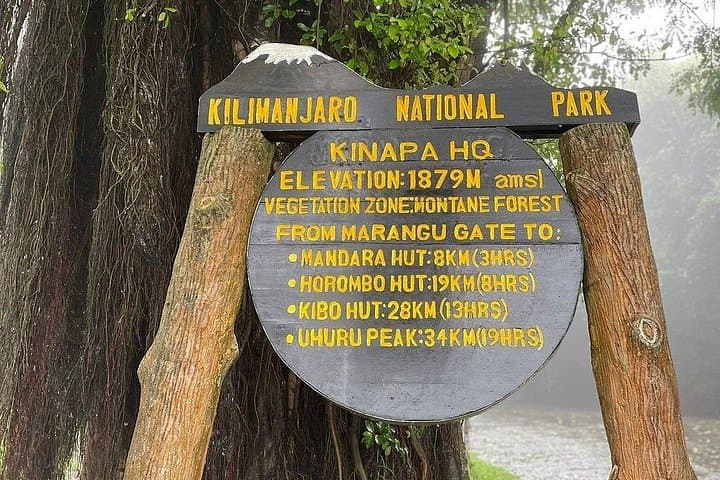
The day’s objective is modest but revealing: reach Mandara Hut, the first refuge on the Marangu Route. It’s not a summit bid; it’s an introduction to Kilimanjaro’s layers. The hike runs about 8 km one-way with roughly 700–900 m of elevation gain depending on exact start point, taking 3–4 hours uphill at a measured pace before a picnic on the hut’s terrace and a slow descent. Trails shift from packed dirt to rooty steps and occasional muddy stretches, with switchbacks that let you watch the mountain’s profile enlarge with each turn.
Geologically, Kilimanjaro is a massif of three volcanic cones — Shira, Mawenzi and the towering Kibo — and the Marangu approach threads the mountain’s southeastern flanks. Culturally, the slopes are Chagga land: terraced farms and coffee plots cling to contours, and village life hums under the mountain’s shadow. Guides commonly point out ancestral paths and tell brief stories about the hut’s role as the Marangu route’s first night stop for climbers attempting multi-day ascents.
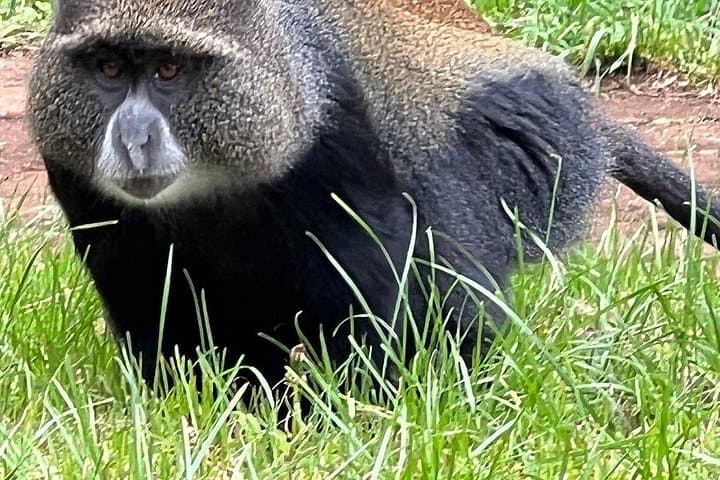
Wildlife appears in bursts. Black-and-white colobus monkeys swing through the canopy; small mongooses dart along the leaf litter; sunbirds and turacos flash color. The forest feels alive and willing to reveal itself if you move quietly.
Practicality is central to enjoying the day. Expect cool, damp air at Mandara Hut — the altitude (around 2,700 m) brings a sharpness to the light and a thinner quality to your breath. Hydrate early and often, layer for changing conditions, and wear sturdy boots with good tread for wet sections. Amenities are basic: the hut has limited toilets and seating; the tour supplies a picnic lunch and water but bring a refillable bottle and any personal snacks. Altitude effects are usually mild on this short climb, but anyone with heart conditions or severe susceptibility to altitude should consult a physician.
The return drive is easygoing: tired legs, the mountain receding, and the local beer in the cooler feeling well earned. For travelers short on time or seeking a gentle Kilimanjaro taste, Mandara Hut delivers landscape, culture and a clear sense of why climbers come back for more.
Expect about 3–4 hours of uphill hiking to reach Mandara Hut, with a total outing (including driving from Moshi/Arusha and return) around six hours.
Yes—this day hike is designed for people with basic fitness; guides set a moderate pace and the route is non-technical.
Most travelers experience only mild effects because elevation at Mandara Hut is moderate (~2,700 m), but stay hydrated and inform the guide of any symptoms.
Basic toilet facilities are available at the hut; bring toilet paper and hand sanitizer.
Entrance and park fees are handled by the tour operator at Marangu Gate as part of your booking.
A picnic lunch and water are included; bring any additional snacks or dietary items you prefer.
kilipath African Safaris operates guided outdoor trips and adventures with an emphasis on safety, stewardship, and memorable experiences.
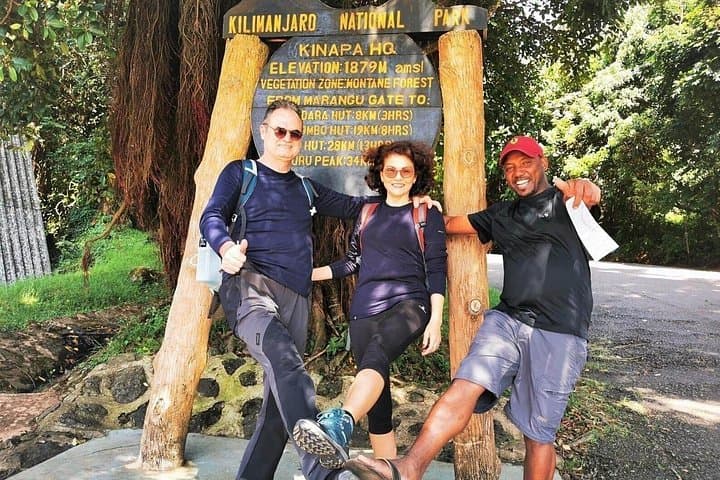
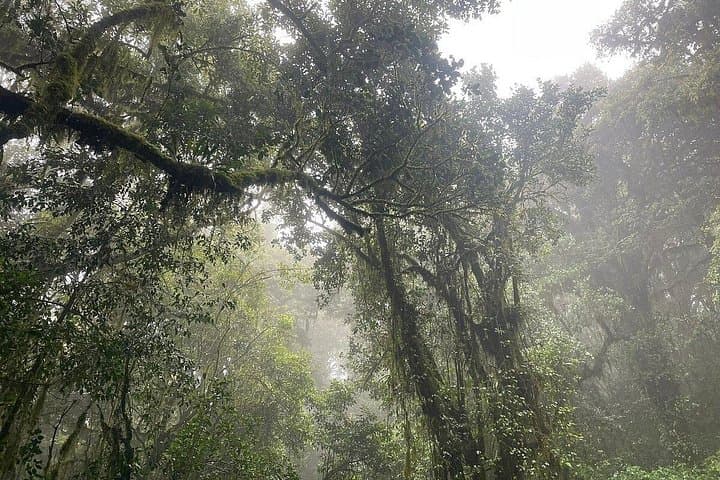
You leave Moshi’s lowland heat behind as the van climbs toward Marangu Gate, coffee plantations thinning into the shadow of a mountain that somehow seems both impossibly vast and close enough to touch. By the time the trailhead appears — a wooden sign, a cluster of guides and porters — the forest has already taken over: moss clings to trunks, green smoke of ferns crowds the path, and birds punctuate the silence with quick, metallic notes.
You leave Moshi’s lowland heat behind as the van climbs toward Marangu Gate, coffee plantations thinning into the shadow of a mountain that somehow seems both impossibly vast and close enough to touch. By the time the trailhead appears — a wooden sign, a cluster of guides and porters — the forest has already taken over: moss clings to trunks, green smoke of ferns crowds the path, and birds punctuate the silence with quick, metallic notes.
The day’s objective is modest but revealing: reach Mandara Hut, the first refuge on the Marangu Route. It’s not a summit bid; it’s an introduction to Kilimanjaro’s layers. The hike runs about 8 km one-way with roughly 700–900 m of elevation gain depending on exact start point, taking 3–4 hours uphill at a measured pace before a picnic on the hut’s terrace and a slow descent. Trails shift from packed dirt to rooty steps and occasional muddy stretches, with switchbacks that let you watch the mountain’s profile enlarge with each turn.
Geologically, Kilimanjaro is a massif of three volcanic cones — Shira, Mawenzi and the towering Kibo — and the Marangu approach threads the mountain’s southeastern flanks. Culturally, the slopes are Chagga land: terraced farms and coffee plots cling to contours, and village life hums under the mountain’s shadow. Guides commonly point out ancestral paths and tell brief stories about the hut’s role as the Marangu route’s first night stop for climbers attempting multi-day ascents.
Wildlife appears in bursts. Black-and-white colobus monkeys swing through the canopy; small mongooses dart along the leaf litter; sunbirds and turacos flash color. The forest feels alive and willing to reveal itself if you move quietly.
Practicality is central to enjoying the day. Expect cool, damp air at Mandara Hut — the altitude (around 2,700 m) brings a sharpness to the light and a thinner quality to your breath. Hydrate early and often, layer for changing conditions, and wear sturdy boots with good tread for wet sections. Amenities are basic: the hut has limited toilets and seating; the tour supplies a picnic lunch and water but bring a refillable bottle and any personal snacks. Altitude effects are usually mild on this short climb, but anyone with heart conditions or severe susceptibility to altitude should consult a physician.
The return drive is easygoing: tired legs, the mountain receding, and the local beer in the cooler feeling well earned. For travelers short on time or seeking a gentle Kilimanjaro taste, Mandara Hut delivers landscape, culture and a clear sense of why climbers come back for more.