THE ADVENTURE COLLECTIVE® · Independent discovery and booking for outdoor travel

Paddle into a living coastline: self-guided kayak rentals at St. Thomas’s Mangrove Lagoon let you explore shallow tunnels, secluded cays, and a protected wildlife reserve at your own pace. Morning light and late afternoon tides reveal the best wildlife and quiet channels.
Paddle into a living coastline: self-guided kayak rentals at St. Thomas’s Mangrove Lagoon let you explore shallow tunnels, secluded cays, and a protected wildlife reserve at your own pace. Morning light and late afternoon tides reveal the best wildlife and quiet channels.
You push off from a chipped wooden dock and the lagoon inhales and exhales around you. Water so shallow your paddle barely splashes, tannin-stained channels unspool beneath a canopy of mangrove roots. The trees lean close, their prop roots weaving tunnels that dare you to thread through; every turn reveals a new pocket of still water where birds patrol and fish flash silver.
Verified experiences and guided adventures in the surrounding area.
Operated by Virgin Islands Ecotours · Charlotte Amalie, U.S. Virgin Islands
You push off from a chipped wooden dock and the lagoon inhales and exhales around you. Water so shallow your paddle barely splashes, tannin-stained channels unspool beneath a canopy of mangrove roots. The trees lean close, their prop roots weaving tunnels that dare you to thread through; every turn reveals a new pocket of still water where birds patrol and fish flash silver.
The Mangrove Lagoon on St. Thomas sits inside a protected wildlife sanctuary and marine reserve shaped by volcanic rock and coral rubble. These salt-tolerant mangrove forests are living coastline engineers — filtering runoff, staving off erosion, and creating nurseries for reef species. The landscape here is compact but complex: narrow channels, blind alleys, and small cays that were once used by fishermen and locals traveling between settlements. Bird Island, a short paddle from the inner lagoon, is a quiet punctuation of sand and scrub where migratory and resident birds rest.
Culture and geology meet in miniature. The limestone and volcanic soils around St. Thomas formed in deep-time processes, and human history layered on top — Arawak and later colonial activity, small-scale fishing, and modern conservation efforts that established the lagoon as a refuge. Local guides who grew up paddling these waters can point out a rare blow-hole along the shore and the tiny reef flats where juvenile conch and snapper fatten up.
Practical guidance: this is a self-guided rental tailored to flexibility. Orientation and a safety briefing are provided at the Virgin Islands Ecotours launch; single and double kayaks, paddles, life jackets, and snorkel gear are included. Rentals run up to eight hours and must be returned by mid-to-late afternoon. Aim for early morning or late afternoon to avoid peak sun and to see the most bird activity — mid-day brings glare and the narrow channels warm quickly.
Tides are modest but affect how easily you access certain tunnels; check local tide charts before you go. Wear quick-dry layers, reef-safe sunscreen, and water shoes — the shallow edges are strewn with roots and shells. Bring a dry bag for phone and spare layers, and pack at least two liters of water per person for a full day. Respect the sanctuary rules: no take-home marine life, keep distance from nesting birds, and avoid paddling over seagrass beds.
For solo explorers and families alike, the Mangrove Lagoon is a hands-on classroom: a place where you can test your navigation in a maze of roots, listen to the lagoon’s low ecosystem noises, and exit into a calm bay with snorkel-ready reef pockets. It’s intimate, instructive, and quietly wild — a small-scale St. Thomas adventure that rewards curiosity and attention.
No—rentals include orientation and are suitable for beginners; stick to wider channels if you’re new to paddling.
Yes—children five and older can participate but must be accompanied by an adult; double kayaks are recommended for families.
Rentals run up to eight hours; all equipment must be returned by the stated end time (typically mid-to-late afternoon).
Yes; snorkel gear is provided and there are calm reef pockets and flats ideal for short snorkel stops from shore or from a beached kayak.
There is free parking at the Virgin Islands Ecotours launch and public transportation options nearby; taxis can also drop you at the marina location.
Operators monitor conditions; for full refunds cancel at least 24 hours prior. In sudden storms, follow staff instructions and return to the launch immediately.
Virgin Islands Ecotours operates guided outdoor trips and adventures with an emphasis on safety, stewardship, and memorable experiences.
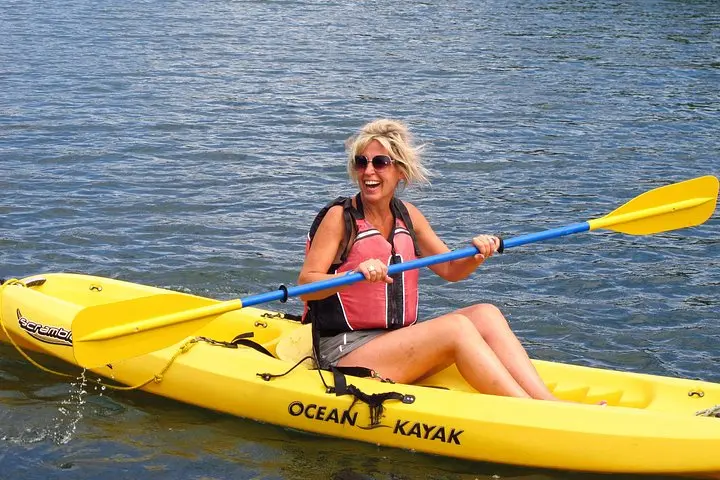
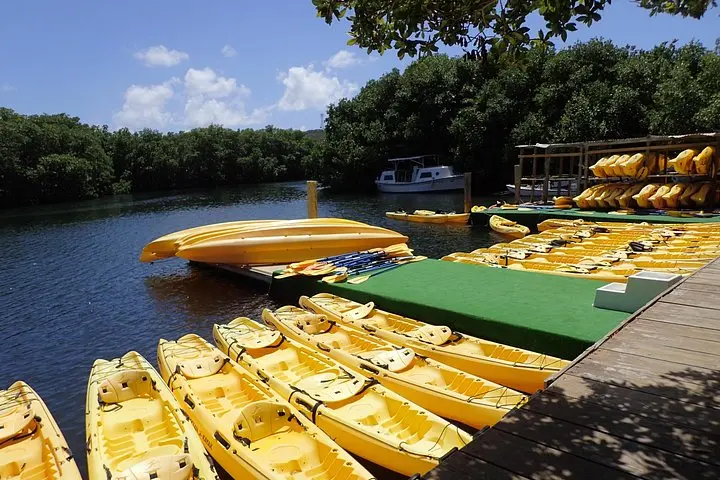
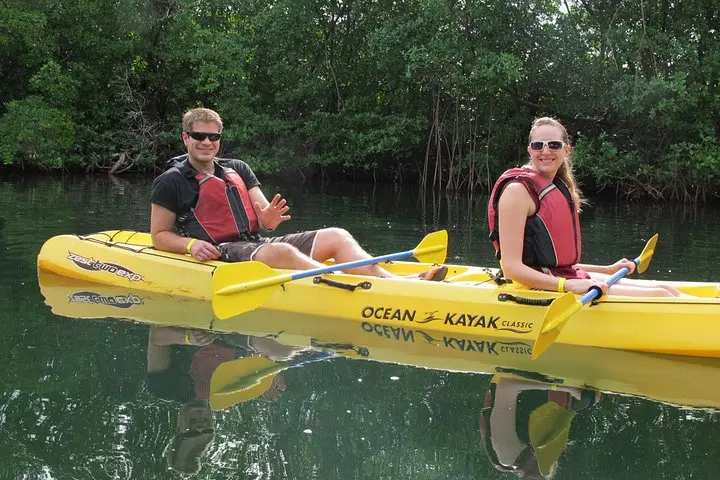
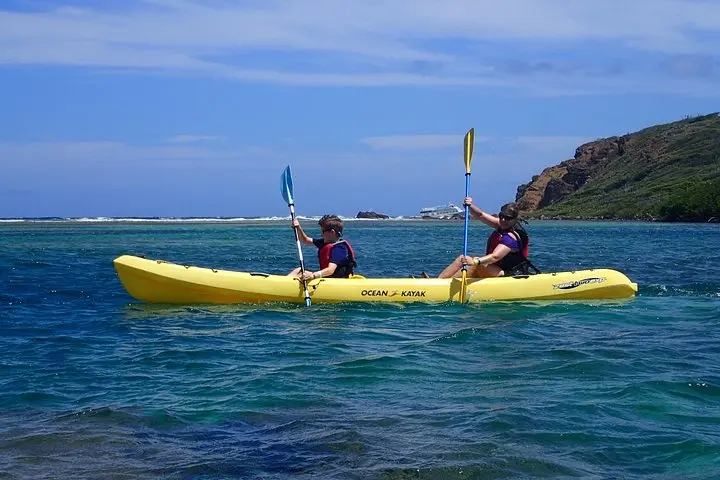
You push off from a chipped wooden dock and the lagoon inhales and exhales around you. Water so shallow your paddle barely splashes, tannin-stained channels unspool beneath a canopy of mangrove roots. The trees lean close, their prop roots weaving tunnels that dare you to thread through; every turn reveals a new pocket of still water where birds patrol and fish flash silver.
You push off from a chipped wooden dock and the lagoon inhales and exhales around you. Water so shallow your paddle barely splashes, tannin-stained channels unspool beneath a canopy of mangrove roots. The trees lean close, their prop roots weaving tunnels that dare you to thread through; every turn reveals a new pocket of still water where birds patrol and fish flash silver.
The Mangrove Lagoon on St. Thomas sits inside a protected wildlife sanctuary and marine reserve shaped by volcanic rock and coral rubble. These salt-tolerant mangrove forests are living coastline engineers — filtering runoff, staving off erosion, and creating nurseries for reef species. The landscape here is compact but complex: narrow channels, blind alleys, and small cays that were once used by fishermen and locals traveling between settlements. Bird Island, a short paddle from the inner lagoon, is a quiet punctuation of sand and scrub where migratory and resident birds rest.
Culture and geology meet in miniature. The limestone and volcanic soils around St. Thomas formed in deep-time processes, and human history layered on top — Arawak and later colonial activity, small-scale fishing, and modern conservation efforts that established the lagoon as a refuge. Local guides who grew up paddling these waters can point out a rare blow-hole along the shore and the tiny reef flats where juvenile conch and snapper fatten up.
Practical guidance: this is a self-guided rental tailored to flexibility. Orientation and a safety briefing are provided at the Virgin Islands Ecotours launch; single and double kayaks, paddles, life jackets, and snorkel gear are included. Rentals run up to eight hours and must be returned by mid-to-late afternoon. Aim for early morning or late afternoon to avoid peak sun and to see the most bird activity — mid-day brings glare and the narrow channels warm quickly.
Tides are modest but affect how easily you access certain tunnels; check local tide charts before you go. Wear quick-dry layers, reef-safe sunscreen, and water shoes — the shallow edges are strewn with roots and shells. Bring a dry bag for phone and spare layers, and pack at least two liters of water per person for a full day. Respect the sanctuary rules: no take-home marine life, keep distance from nesting birds, and avoid paddling over seagrass beds.
For solo explorers and families alike, the Mangrove Lagoon is a hands-on classroom: a place where you can test your navigation in a maze of roots, listen to the lagoon’s low ecosystem noises, and exit into a calm bay with snorkel-ready reef pockets. It’s intimate, instructive, and quietly wild — a small-scale St. Thomas adventure that rewards curiosity and attention.