THE ADVENTURE COLLECTIVE® · Independent discovery and booking for outdoor travel

Glide through Langkawi’s Kilim Nature Park where limestone cliffs, mangrove channels and bat-filled caves shape a compact, wildlife-rich half-day cruise. This guided tour pairs close-up wildlife viewing with practical logistics — tide-aware stops, hotel transfers from key resorts, and local lunch.
Glide through Langkawi’s Kilim Nature Park where limestone cliffs, mangrove channels and bat-filled caves shape a compact, wildlife-rich half-day cruise. This guided tour pairs close-up wildlife viewing with practical logistics — tide-aware stops, hotel transfers from key resorts, and local lunch.
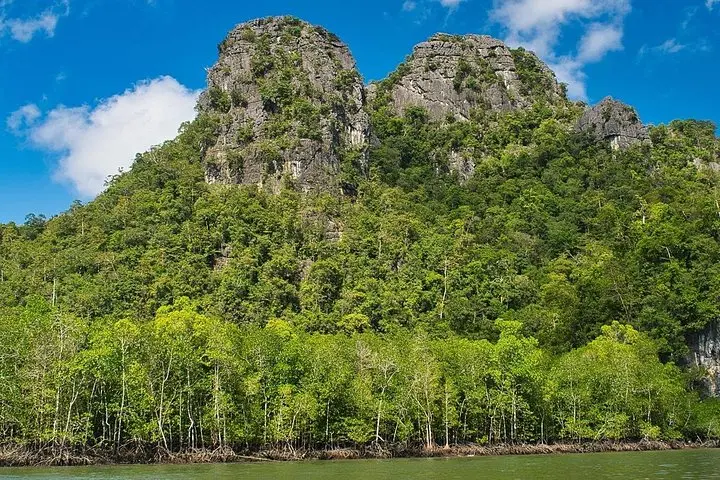
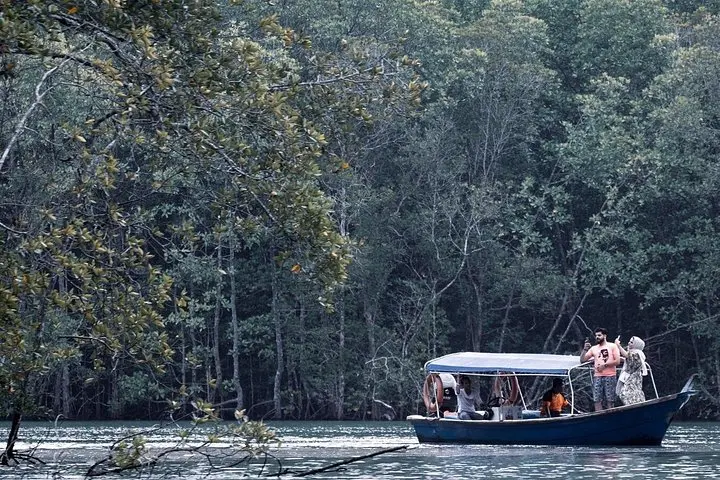
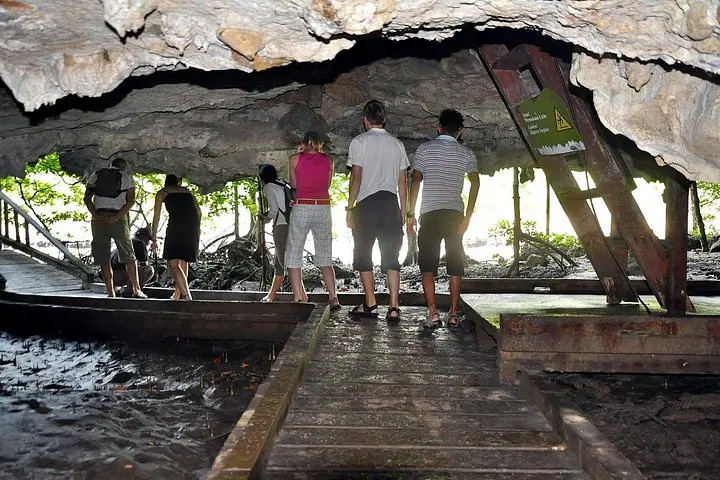
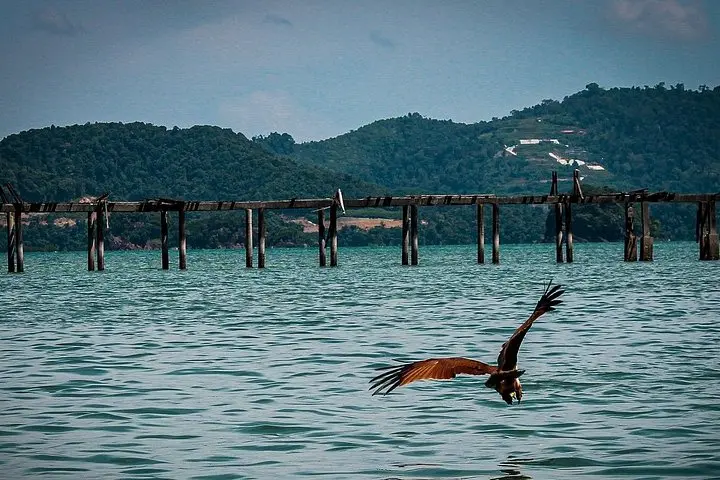
The boat eases away from Kilim Jetty and the river takes the lead — dark water threading between mangrove roots, limestone faces shifting from shadow to sun. Brown eagles wheel above and macaques watch the passing hull with practiced curiosity. Shine a torch into the Bat Cave and the ceiling seems to breathe; at low tide the Crocodile Cave yawns open like a geological memory.
Verified experiences and guided adventures in the surrounding area.
Operated by Asian Trails LTD · Kuah, Kedah
The boat eases away from Kilim Jetty and the river takes the lead — dark water threading between mangrove roots, limestone faces shifting from shadow to sun. Brown eagles wheel above and macaques watch the passing hull with practiced curiosity. Shine a torch into the Bat Cave and the ceiling seems to breathe; at low tide the Crocodile Cave yawns open like a geological memory.
Kilim Karst Geoforest Park is part of Langkawi’s UNESCO geopark, formed by ancient coral and limestone uplift and sculpted by tides. The mangroves here are both nursery and fortress: their prop roots anchor sediment and hide juvenile fish. Local communities still harvest fish and use the river for transport, so the trip folds natural history into living culture.
Expect a slow, interpretive cruise with stops for cave viewing, wildlife spotting, and a short beach break when tides permit. Guides point out white-bellied sea eagles, monitor lizards and the Bogak trees whose roots form a barrier against the sea.
Practical edge: wear good closed shoes for brief walks, carry sun protection and insect repellent, and prepare for hot, humid weather. Cameras need protection from splash and bat guano. Transfers cover major Langkawi hubs (Cenang, Kuah) but confirm times and pickup location in advance. The route is tide-dependent — caves are best at low tide — and operators may alter the itinerary for safety and conservation. Move quietly, don’t feed wildlife, and pack out what you pack in: the mangroves repay respect with close-up encounters and quieter shorelines.
Return transfers are included for major Langkawi areas (Kuah, Cenang, Tengah, Kok); pickups outside those zones may incur a supplement.
A short beach stop for swimming is possible if weather and tide allow; follow your guide’s advice on safe spots.
You remain on the boat at cave entrances; guides use torches for viewing — there’s no confined cave exploration or hiking into caves.
Infants must sit on an adult’s lap; the tour requires moderate mobility and is not suitable for wheelchair users.
Asian Trails LTD operates guided outdoor trips and adventures with an emphasis on safety, stewardship, and memorable experiences.
The boat eases away from Kilim Jetty and the river takes the lead — dark water threading between mangrove roots, limestone faces shifting from shadow to sun. Brown eagles wheel above and macaques watch the passing hull with practiced curiosity. Shine a torch into the Bat Cave and the ceiling seems to breathe; at low tide the Crocodile Cave yawns open like a geological memory.
The boat eases away from Kilim Jetty and the river takes the lead — dark water threading between mangrove roots, limestone faces shifting from shadow to sun. Brown eagles wheel above and macaques watch the passing hull with practiced curiosity. Shine a torch into the Bat Cave and the ceiling seems to breathe; at low tide the Crocodile Cave yawns open like a geological memory.
Kilim Karst Geoforest Park is part of Langkawi’s UNESCO geopark, formed by ancient coral and limestone uplift and sculpted by tides. The mangroves here are both nursery and fortress: their prop roots anchor sediment and hide juvenile fish. Local communities still harvest fish and use the river for transport, so the trip folds natural history into living culture.
Expect a slow, interpretive cruise with stops for cave viewing, wildlife spotting, and a short beach break when tides permit. Guides point out white-bellied sea eagles, monitor lizards and the Bogak trees whose roots form a barrier against the sea.
Practical edge: wear good closed shoes for brief walks, carry sun protection and insect repellent, and prepare for hot, humid weather. Cameras need protection from splash and bat guano. Transfers cover major Langkawi hubs (Cenang, Kuah) but confirm times and pickup location in advance. The route is tide-dependent — caves are best at low tide — and operators may alter the itinerary for safety and conservation. Move quietly, don’t feed wildlife, and pack out what you pack in: the mangroves repay respect with close-up encounters and quieter shorelines.