THE ADVENTURE COLLECTIVE® · Independent discovery and booking for outdoor travel

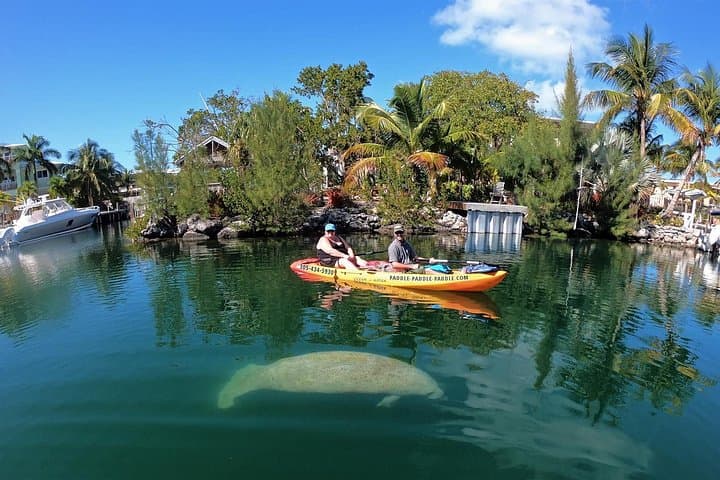
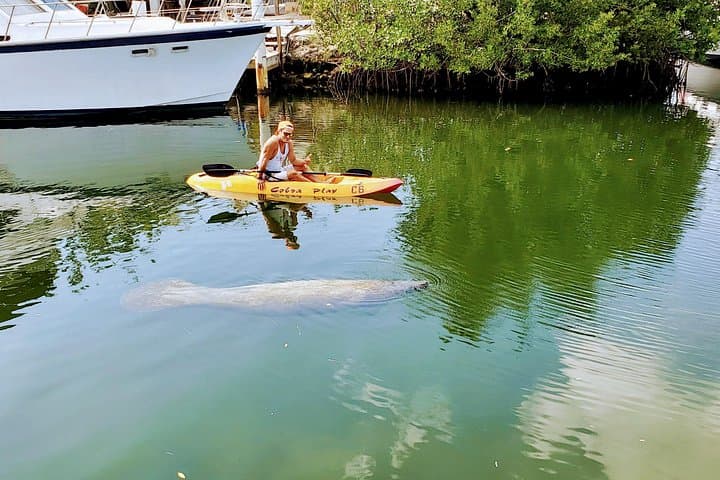
Glide through mangrove tunnels and over clear flats on this two-hour guided kayak tour in Key Largo. Ideal for first-time paddlers, the trip focuses on wildlife viewing—manatees, dolphins, wading birds—and hands-on ecological interpretation.
Glide through mangrove tunnels and over clear flats on this two-hour guided kayak tour in Key Largo. Ideal for first-time paddlers, the trip focuses on wildlife viewing—manatees, dolphins, wading birds—and hands-on ecological interpretation.
The guide slips a life jacket over your shoulders and the mangrove tunnel tightens around the bow. Light filters through the prop roots in green bands; water moves with a quiet insistence, nudging your kayak forward as you peer down to find turtles grazing on seagrass and a small nurse shark lounging on a sandy patch.
Verified experiences and guided adventures in the surrounding area.
Operated by PADDLE! The Florida Keys · Key Largo, Florida
The guide slips a life jacket over your shoulders and the mangrove tunnel tightens around the bow. Light filters through the prop roots in green bands; water moves with a quiet insistence, nudging your kayak forward as you peer down to find turtles grazing on seagrass and a small nurse shark lounging on a sandy patch.
This two-hour eco tour runs in the Upper Florida Keys, where a network of mangrove islands, seagrass beds and shallow flats form a productive estuary. Geologically, the Keys are the exposed remnants of an ancient coral platform—today those same processes create the shallow lagoons and sponge beds you’ll paddle over. Culturally, the shoreline has long supported fishing and boatbuilding; modern guides blend local lore with natural history while pointing out bird rookeries and tidal behavior.
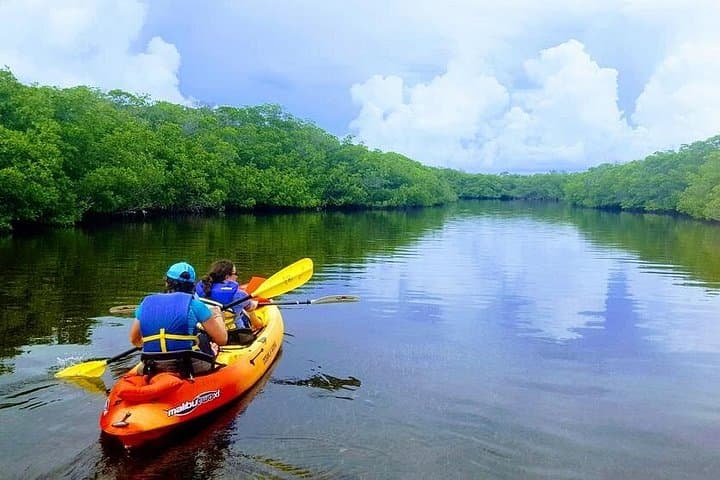
Expect a slow, interpretive pace aimed at first-time paddlers. Guides provide land-based instruction, fitted life jackets and on-water coaching, so skills required are basic: steady balance and forward/back strokes. Wildlife sightings—manatees, dolphins, herons, pelicans—aren’t guaranteed, but the estuary always offers something interesting: a lone conch, a fishing osprey, a juvenile fish darting through a sponge meadow.
Practically, arrive 30 minutes early to get fitted and briefed; wear quick-dry clothing and reef-safe sunscreen. Plan launches around tide and wind—calm mornings are best for glassy water and better visibility into the beds below. Keep a respectful distance from resting wildlife and avoid standing on seagrass. This tour is as much about slow observation as it is about paddling—bring curiosity and a camera with a secure strap.
No—this tour is designed for first-time and new paddlers with on-land instruction and on-water coaching provided.
Wildlife sightings aren’t guaranteed, but guides commonly spot manatees, dolphins, shorebirds, turtles and stingrays in the estuary.
The operator lists wheelchair-accessible facilities and some surfaces as accessible; contact the provider for specifics about launch assistance.
Wear quick-dry clothing, water shoes, a hat, and reef-safe sunscreen; bring water, a dry bag for valuables, and a camera with a strap.
PADDLE! The Florida Keys operates guided outdoor trips and adventures with an emphasis on safety, stewardship, and memorable experiences.
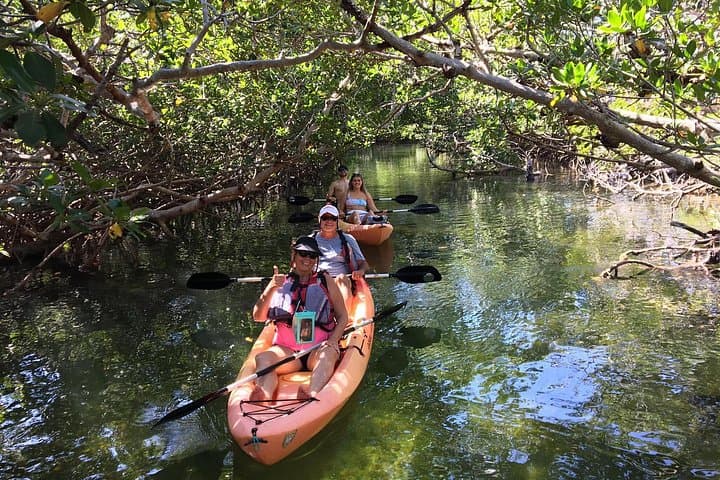
The guide slips a life jacket over your shoulders and the mangrove tunnel tightens around the bow. Light filters through the prop roots in green bands; water moves with a quiet insistence, nudging your kayak forward as you peer down to find turtles grazing on seagrass and a small nurse shark lounging on a sandy patch.
The guide slips a life jacket over your shoulders and the mangrove tunnel tightens around the bow. Light filters through the prop roots in green bands; water moves with a quiet insistence, nudging your kayak forward as you peer down to find turtles grazing on seagrass and a small nurse shark lounging on a sandy patch.
This two-hour eco tour runs in the Upper Florida Keys, where a network of mangrove islands, seagrass beds and shallow flats form a productive estuary. Geologically, the Keys are the exposed remnants of an ancient coral platform—today those same processes create the shallow lagoons and sponge beds you’ll paddle over. Culturally, the shoreline has long supported fishing and boatbuilding; modern guides blend local lore with natural history while pointing out bird rookeries and tidal behavior.
Expect a slow, interpretive pace aimed at first-time paddlers. Guides provide land-based instruction, fitted life jackets and on-water coaching, so skills required are basic: steady balance and forward/back strokes. Wildlife sightings—manatees, dolphins, herons, pelicans—aren’t guaranteed, but the estuary always offers something interesting: a lone conch, a fishing osprey, a juvenile fish darting through a sponge meadow.
Practically, arrive 30 minutes early to get fitted and briefed; wear quick-dry clothing and reef-safe sunscreen. Plan launches around tide and wind—calm mornings are best for glassy water and better visibility into the beds below. Keep a respectful distance from resting wildlife and avoid standing on seagrass. This tour is as much about slow observation as it is about paddling—bring curiosity and a camera with a secure strap.