THE ADVENTURE COLLECTIVE® · Independent discovery and booking for outdoor travel

Spend a full day from Guayaquil exploring the El Morro estuary—glide through mangroves, watch dolphins escort the boat, then visit a cocoa farm to see chocolate made by hand. This easy, immersive tour blends wildlife viewing with cultural tasting and practical, hands-on learning.
Spend a full day from Guayaquil exploring the El Morro estuary—glide through mangroves, watch dolphins escort the boat, then visit a cocoa farm to see chocolate made by hand. This easy, immersive tour blends wildlife viewing with cultural tasting and practical, hands-on learning.
The day begins at a low pier just outside Guayaquil, where the river widens and the saltwater smell sharpens. A compact motorboat slips into braided channels and mangrove roots reach like outstretched hands to the hull; herons watch from perches while currents test your balance. The estuary opens and, if fortune favors you, a pod of bottlenose dolphins will appear—curious, swift, and eager to ride the wave the boat leaves behind.
Verified experiences and guided adventures in the surrounding area.
Operated by Yamil Saman Cabrera · Guayaquil, Guayas
The day begins at a low pier just outside Guayaquil, where the river widens and the saltwater smell sharpens. A compact motorboat slips into braided channels and mangrove roots reach like outstretched hands to the hull; herons watch from perches while currents test your balance. The estuary opens and, if fortune favors you, a pod of bottlenose dolphins will appear—curious, swift, and eager to ride the wave the boat leaves behind.
This estuary is geologically young—sediment from the Guayas River builds the flats where four mangrove species hold soil and shelter juvenile fish. Culturally, the area mixes coastal fishing traditions with Ecuador’s deep cacao heritage: the farm visit later in the day traces chocolate back to local Arriba Nacional varieties that have fed families and shaped regional trade for centuries.
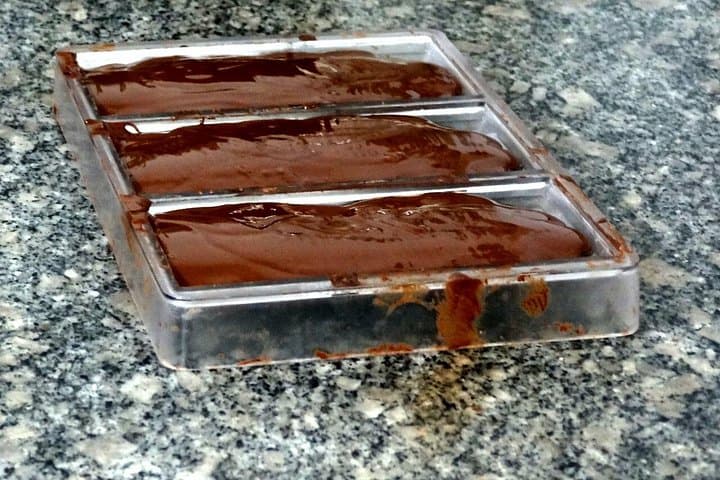
You’ll disembark on Manglarcito to see frigatebird colonies and then move inland to a working cocoa farm where guides demonstrate harvesting, fermenting, and traditional stone grinding; tastings pair single-origin chocolate with fresh farm staples. Expect informational stops rather than strenuous hiking—this is a soft-adventure day that pairs wildlife viewing with hands-on culture.
Practical guidance: plan for mid-tide if dolphin sightings are a priority; wear water-resistant footwear and sun protection, and bring repellant for mosquito-prone moments onshore. Cameras with fast autofocus and a small dry bag are useful. Respect wildlife—keep distance from nesting birds and follow guides’ instructions to minimize disturbance. By day’s end you’ll have seen river dynamics, coastal birdlife, and the slow craft of Ecuadorian chocolate—close, tactile, and unmistakably local.
Dolphins are commonly seen—especially around mid-tide—though wildlife sightings are never guaranteed; guides know local patterns and route accordingly.
Yes, round-trip private transfer and hotel pickup/drop-off in Guayaquil are included in the tour price.
Yes, the farm visit includes demonstrations and participatory steps like tasting, grinding, and observing fermenting and drying processes.
Children aged 5 and older are welcome; expect family-friendly pacing but supervise kids on boats and at nesting sites.
Yamil Saman Cabrera operates guided outdoor trips and adventures with an emphasis on safety, stewardship, and memorable experiences.
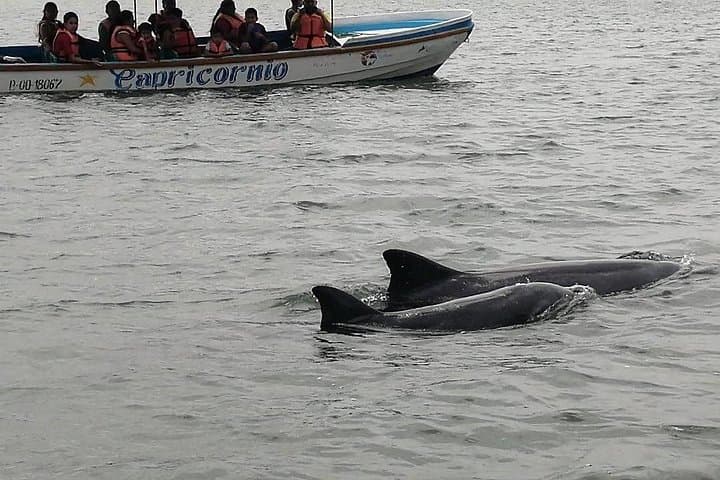
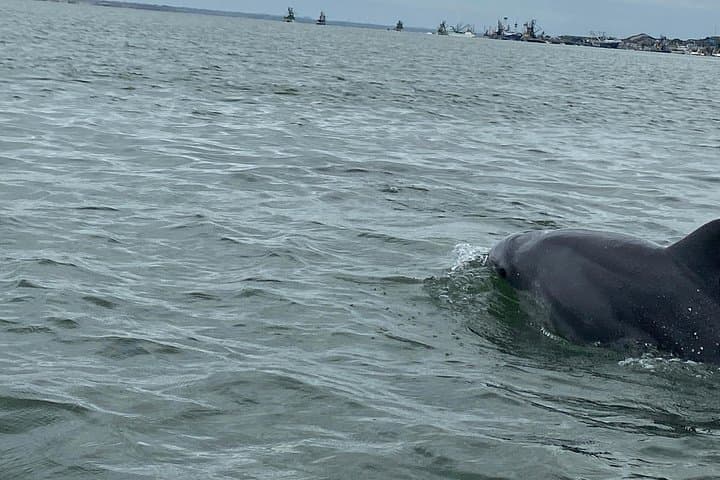
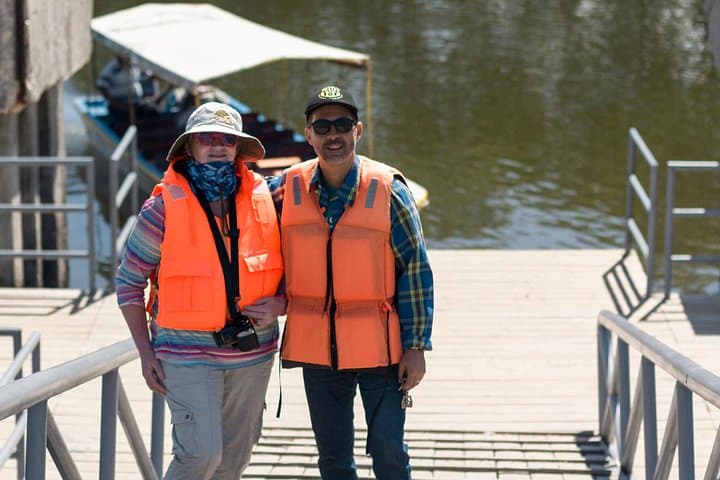
The day begins at a low pier just outside Guayaquil, where the river widens and the saltwater smell sharpens. A compact motorboat slips into braided channels and mangrove roots reach like outstretched hands to the hull; herons watch from perches while currents test your balance. The estuary opens and, if fortune favors you, a pod of bottlenose dolphins will appear—curious, swift, and eager to ride the wave the boat leaves behind.
The day begins at a low pier just outside Guayaquil, where the river widens and the saltwater smell sharpens. A compact motorboat slips into braided channels and mangrove roots reach like outstretched hands to the hull; herons watch from perches while currents test your balance. The estuary opens and, if fortune favors you, a pod of bottlenose dolphins will appear—curious, swift, and eager to ride the wave the boat leaves behind.
This estuary is geologically young—sediment from the Guayas River builds the flats where four mangrove species hold soil and shelter juvenile fish. Culturally, the area mixes coastal fishing traditions with Ecuador’s deep cacao heritage: the farm visit later in the day traces chocolate back to local Arriba Nacional varieties that have fed families and shaped regional trade for centuries.
You’ll disembark on Manglarcito to see frigatebird colonies and then move inland to a working cocoa farm where guides demonstrate harvesting, fermenting, and traditional stone grinding; tastings pair single-origin chocolate with fresh farm staples. Expect informational stops rather than strenuous hiking—this is a soft-adventure day that pairs wildlife viewing with hands-on culture.
Practical guidance: plan for mid-tide if dolphin sightings are a priority; wear water-resistant footwear and sun protection, and bring repellant for mosquito-prone moments onshore. Cameras with fast autofocus and a small dry bag are useful. Respect wildlife—keep distance from nesting birds and follow guides’ instructions to minimize disturbance. By day’s end you’ll have seen river dynamics, coastal birdlife, and the slow craft of Ecuadorian chocolate—close, tactile, and unmistakably local.