THE ADVENTURE COLLECTIVE® · Independent discovery and booking for outdoor travel

Jump from market alleys into a hands-on kitchen: this Mangwon Market cooking class pairs a local food tour with a 3-dish Korean cooking session. Perfect for anyone wanting practical skills, neighborhood flavor, and a sit-down meal at the end.
Jump from market alleys into a hands-on kitchen: this Mangwon Market cooking class pairs a local food tour with a 3-dish Korean cooking session. Perfect for anyone wanting practical skills, neighborhood flavor, and a sit-down meal at the end.
The city breathes around Mangwon Market—steam from tteokbokki stalls, fishmongers calling, and baskets of chilies and scallions piling high. You meet at Mangwon Station exit 2 and step into a neighborhood where everyday Seoul unfolds: shoppers, vendors, and bright plastic crates of produce lead you to a small studio tucked off a narrow street.
Verified experiences and guided adventures in the surrounding area.
Operated by cookorean · Seoul, Seoul
The city breathes around Mangwon Market—steam from tteokbokki stalls, fishmongers calling, and baskets of chilies and scallions piling high. You meet at Mangwon Station exit 2 and step into a neighborhood where everyday Seoul unfolds: shoppers, vendors, and bright plastic crates of produce lead you to a small studio tucked off a narrow street.
The class pairs that market-side pulse with hands-on technique. Korean home cooking is rooted in preservation and balance—fermented kimchi, quick stir-fries, and soups that stretch simple ingredients into deep flavors. As you walk the aisles with the instructor, expect chat about seasonal produce, salted seafood, and the cultural role of shared banchan. The cooking studio itself is practical: individual countertops, tabletop burners, and fresh local ingredients ready for mise en place.
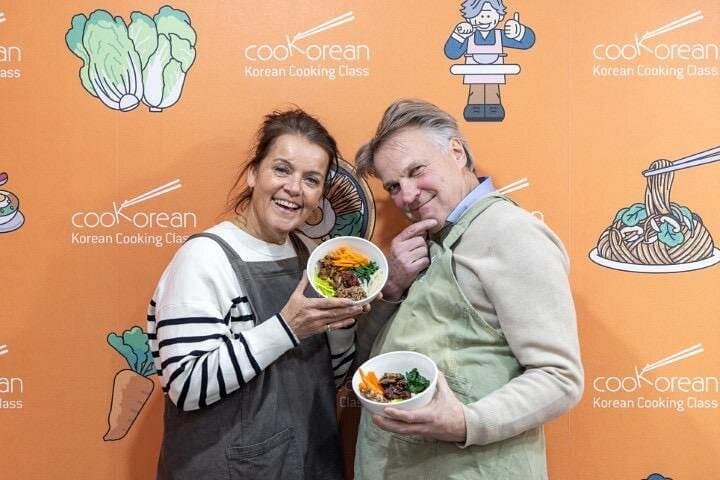
Over roughly 3.5 hours you’ll prepare three mains (options vary by schedule—sundubu jjigae, bibimbap, bulgogi or kimchi jjigae, japchae, jeyuk bokkeum), learn basic knife technique, and sample the results with rice wine. The experience is culinary and civic: you’re supporting small vendors and tasting neighborhood specialties.
Practical notes: arrive 10–15 minutes early, bring allergy or dietary notes, and be prepared to stand and move between prep stations. Vegetarian and vegan options are available if requested. The class includes a cookbook, leftovers to take home, and tips for recreating dishes in your own kitchen. If you love hands-on food experiences and urban market culture, this is a compact, sensory way into Korean home cooking.
Meet at Mangwon Metro Station (Line 6), Entrance/Exit 2; the instructor will greet the group and lead a short market walk before the studio session.
Yes—vegetarian and vegan options are available but must be requested when booking so the instructor can prepare suitable ingredients.
For a full refund cancel at least 24 hours before the scheduled start time; classes may be rescheduled or canceled if minimum participants aren’t met.
No—this is a hands-on, beginner-friendly class; instructors cover basic knife work and stovetop techniques as part of the session.
cookorean operates guided outdoor trips and adventures with an emphasis on safety, stewardship, and memorable experiences.


The city breathes around Mangwon Market—steam from tteokbokki stalls, fishmongers calling, and baskets of chilies and scallions piling high. You meet at Mangwon Station exit 2 and step into a neighborhood where everyday Seoul unfolds: shoppers, vendors, and bright plastic crates of produce lead you to a small studio tucked off a narrow street.
The city breathes around Mangwon Market—steam from tteokbokki stalls, fishmongers calling, and baskets of chilies and scallions piling high. You meet at Mangwon Station exit 2 and step into a neighborhood where everyday Seoul unfolds: shoppers, vendors, and bright plastic crates of produce lead you to a small studio tucked off a narrow street.
The class pairs that market-side pulse with hands-on technique. Korean home cooking is rooted in preservation and balance—fermented kimchi, quick stir-fries, and soups that stretch simple ingredients into deep flavors. As you walk the aisles with the instructor, expect chat about seasonal produce, salted seafood, and the cultural role of shared banchan. The cooking studio itself is practical: individual countertops, tabletop burners, and fresh local ingredients ready for mise en place.
Over roughly 3.5 hours you’ll prepare three mains (options vary by schedule—sundubu jjigae, bibimbap, bulgogi or kimchi jjigae, japchae, jeyuk bokkeum), learn basic knife technique, and sample the results with rice wine. The experience is culinary and civic: you’re supporting small vendors and tasting neighborhood specialties.
Practical notes: arrive 10–15 minutes early, bring allergy or dietary notes, and be prepared to stand and move between prep stations. Vegetarian and vegan options are available if requested. The class includes a cookbook, leftovers to take home, and tips for recreating dishes in your own kitchen. If you love hands-on food experiences and urban market culture, this is a compact, sensory way into Korean home cooking.