THE ADVENTURE COLLECTIVE® · Independent discovery and booking for outdoor travel

Taste Manhattan’s pizza history on a two-hour walking tour through Little Italy, Greenwich Village and the Lower East Side. A local guide pairs three distinct slices with neighborhood stories and practical tips for navigating cash-only counters and dinner-hour crowds.
Taste Manhattan’s pizza history on a two-hour walking tour through Little Italy, Greenwich Village and the Lower East Side. A local guide pairs three distinct slices with neighborhood stories and practical tips for navigating cash-only counters and dinner-hour crowds.
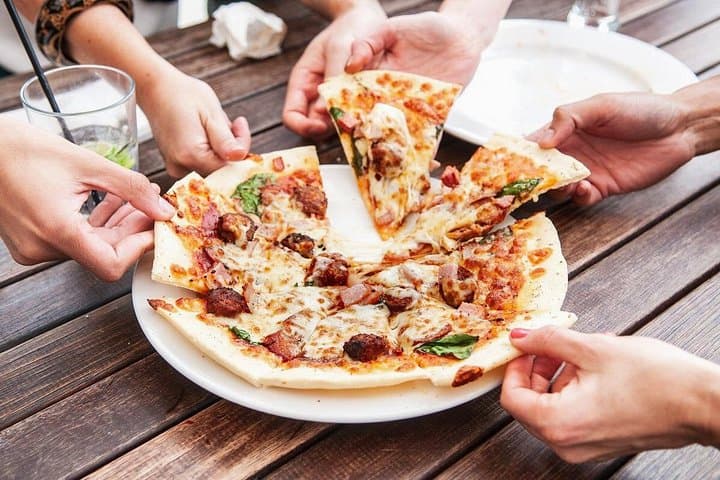
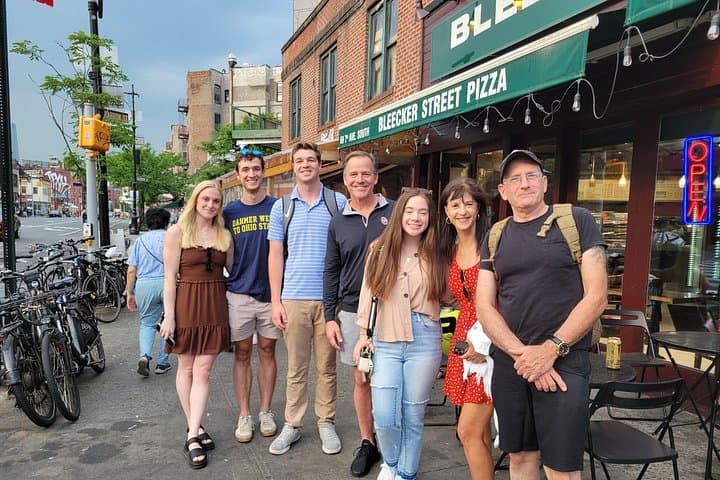
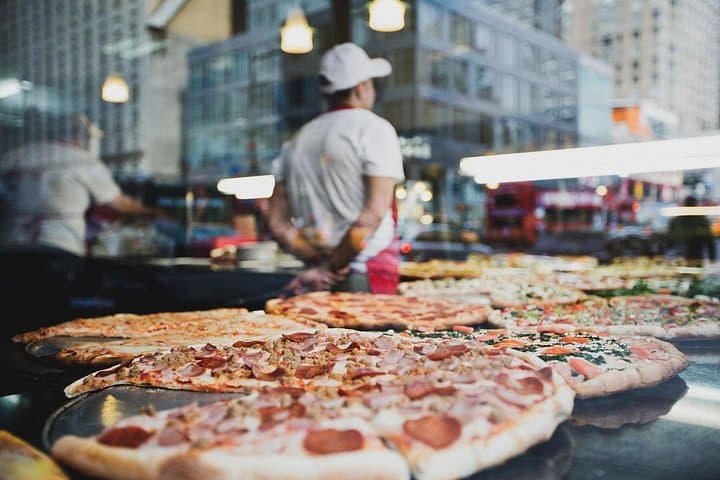
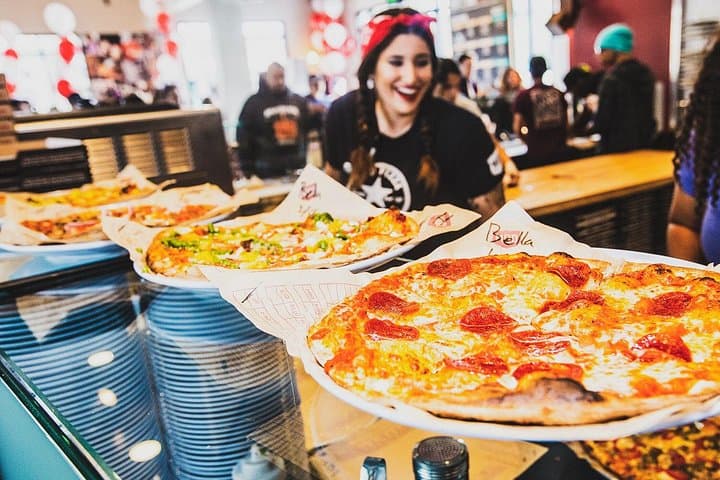
Step off a busy avenue and the city rearranges itself around a paper plate of hot cheese. The tour moves on foot through Manhattan’s narrow streets — Bleeker’s cramped counters, the exposed-brick angles of Little Italy, the neon windows of the Lower East Side — each slice a local argument about crust, sauce and oven heat.
Verified experiences and guided adventures in the surrounding area.
Operated by Friendly Local Guides · New York, NY
Step off a busy avenue and the city rearranges itself around a paper plate of hot cheese. The tour moves on foot through Manhattan’s narrow streets — Bleeker’s cramped counters, the exposed-brick angles of Little Italy, the neon windows of the Lower East Side — each slice a local argument about crust, sauce and oven heat.
Pizza in New York is as much cultural history as food: Italian immigrants brought wood-fired techniques in the early 20th century and Manhattan adapted them into the portable, thin-crust slice. The built environment — cobblestone alleys, cast-iron facades and the close rhythm of tenement blocks — still shapes how pizzerias operate, favoring quick service and open counters.
Expect a tour that balances tasting with context. Guides point out where classic recipes evolved, how oven type changes crust texture, and how neighborhoods like Greenwich Village became incubators for pizza styles from Neapolitan to Sicilian. You’ll hear local stories about family-run businesses, celebrity regulars, and the economics of a $1 slice turned cult favorite.
Practically: the walk runs about two hours across mostly flat city streets with repeated stops for tastings (three slices noted). Wear stable shoes, bring a refillable bottle, and carry small bills — some counters are cash-preferred. Timing matters: midday visits avoid late-night crowds and keep lines short. The tour is urban, tactile and social — expect close quarters, quick bites, and the distinct rhythm of Manhattan ovens urging you to move to the next slice.
The tour is approximately two hours and includes about three pizza slices, sampled at different pizzerias across the route.
Yes — the operator notes stroller accessibility, but expect crowds and limited seating at some stops; toddlers should be supervised near busy streets.
Notify the operator ahead of time for vegetarian options; gluten-free alternatives may be limited at traditional slice counters.
Full refund is available if canceled at least 24 hours before the scheduled start time; same-day cancellations are non-refundable.
Friendly Local Guides operates guided outdoor trips and adventures with an emphasis on safety, stewardship, and memorable experiences.
Step off a busy avenue and the city rearranges itself around a paper plate of hot cheese. The tour moves on foot through Manhattan’s narrow streets — Bleeker’s cramped counters, the exposed-brick angles of Little Italy, the neon windows of the Lower East Side — each slice a local argument about crust, sauce and oven heat.
Step off a busy avenue and the city rearranges itself around a paper plate of hot cheese. The tour moves on foot through Manhattan’s narrow streets — Bleeker’s cramped counters, the exposed-brick angles of Little Italy, the neon windows of the Lower East Side — each slice a local argument about crust, sauce and oven heat.
Pizza in New York is as much cultural history as food: Italian immigrants brought wood-fired techniques in the early 20th century and Manhattan adapted them into the portable, thin-crust slice. The built environment — cobblestone alleys, cast-iron facades and the close rhythm of tenement blocks — still shapes how pizzerias operate, favoring quick service and open counters.
Expect a tour that balances tasting with context. Guides point out where classic recipes evolved, how oven type changes crust texture, and how neighborhoods like Greenwich Village became incubators for pizza styles from Neapolitan to Sicilian. You’ll hear local stories about family-run businesses, celebrity regulars, and the economics of a $1 slice turned cult favorite.
Practically: the walk runs about two hours across mostly flat city streets with repeated stops for tastings (three slices noted). Wear stable shoes, bring a refillable bottle, and carry small bills — some counters are cash-preferred. Timing matters: midday visits avoid late-night crowds and keep lines short. The tour is urban, tactile and social — expect close quarters, quick bites, and the distinct rhythm of Manhattan ovens urging you to move to the next slice.