THE ADVENTURE COLLECTIVE® · Independent discovery and booking for outdoor travel
Ride a colorful jeepney through Luneta, stroll the cobbles of Intramuros, and eat your way through Binondo on this half‑day local immersion. A guide leads you to historical sites, hidden food stalls, and the stories that give Manila its character.
Ride a colorful jeepney through Luneta, stroll the cobbles of Intramuros, and eat your way through Binondo on this half‑day local immersion. A guide leads you to historical sites, hidden food stalls, and the stories that give Manila its character.
You step into a cobalt‑painted jeepney and the city pushes back—a rhythm of horns, vendors calling, and the engine’s low rumble carrying you past broad plazas and sun-washed facades.
Verified experiences and guided adventures in the surrounding area.
Operated by Meaningful Travels PH · Manila, Metro Manila
You step into a cobalt‑painted jeepney and the city pushes back—a rhythm of horns, vendors calling, and the engine’s low rumble carrying you past broad plazas and sun-washed facades.
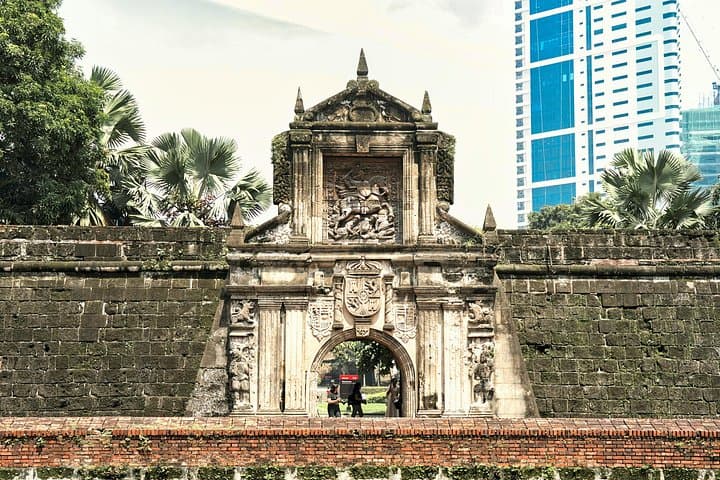
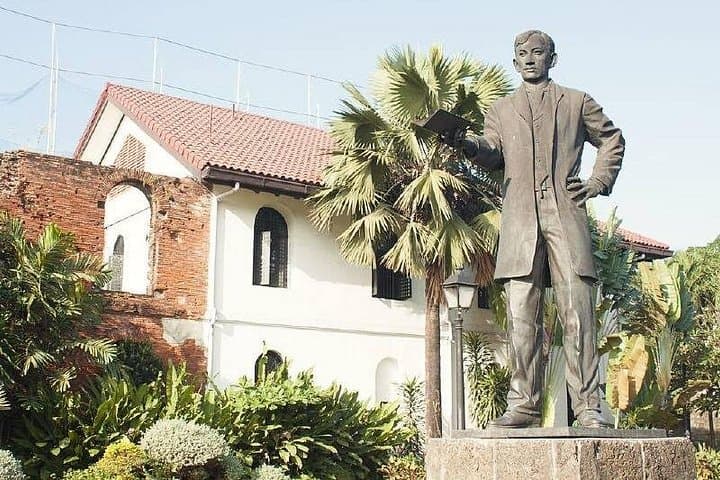
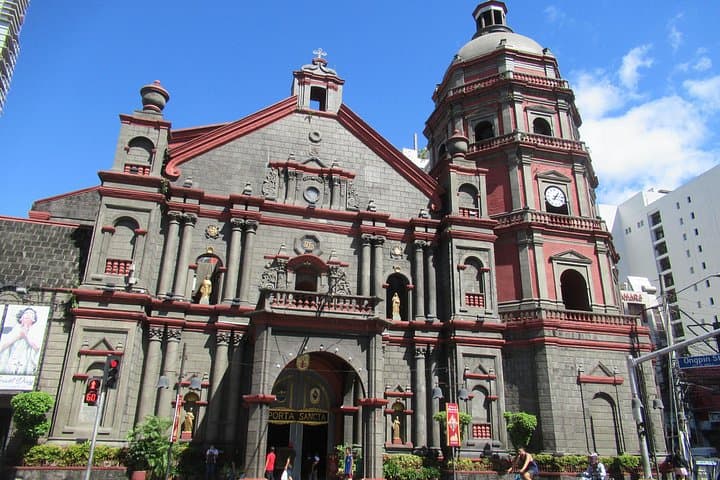
This half‑day immersion moves from Luneta Park’s open lawns and the Rizal Monument into Intramuros’ cobbled lanes where Spanish colonial walls and baroque churches mark four centuries of history. Escolta’s art‑deco fronts recall Manila’s early 20th‑century commercial boom, then the tour threads into Binondo, the world’s oldest Chinatown, where steam, spices, and street snacks shape a living culinary archive.
Manila’s story is layered: indigenous trade networks, 333 years of Spanish rule, American urban planning, wartime destruction, and ongoing cultural fusion. The tour highlights architecture, marketplaces, and the Filipino‑Chinese community that helped build Binondo in the late 16th century; it also points out urban features like the Pasig River and the city’s reclaimed public spaces.
Practical guidance: the route covers mostly flat streets and short walks—expect about five hours total with multiple stops. Bring small bills for hawkers, wear closed shoes for cobblestones, and carry water; churches and some museums expect modest dress. The experience is accessible—vehicles and many sites provide wheelchair access—but narrow streets and crowds may be challenging during peak hours.
Timing matters: mornings are cooler and less crowded for Intramuros and Binondo; evenings light up with food stalls. A local guide narrates history and introductions; lean into their recommendations for off‑menu bites and quieter side streets.
The itinerary runs about five hours (300 minutes), including transport, guided walks, and food stops.
Yes—this tour is listed as stroller and wheelchair accessible, though some streets can be narrow or crowded.
Inform the operator when booking; guides can often recommend alternatives but street‑level options may be limited for strict allergies.
Meeting/pickup details are provided at booking; most tours start near central Manila landmarks and return to the original pickup or a predefined drop‑off point.
Meaningful Travels PH operates guided outdoor trips and adventures with an emphasis on safety, stewardship, and memorable experiences.
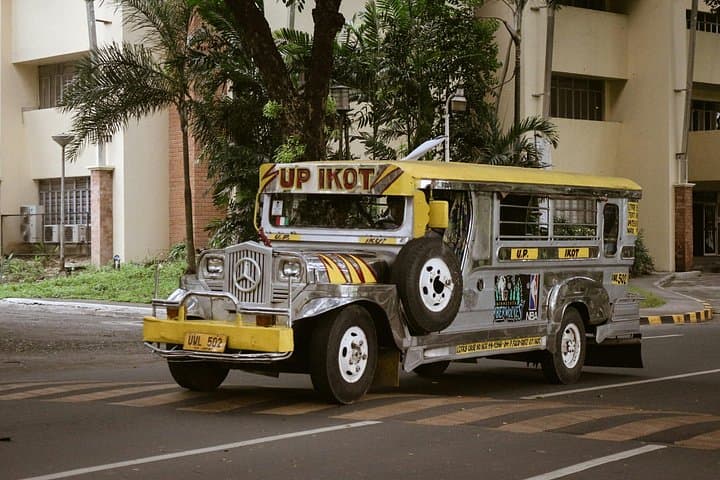
You step into a cobalt‑painted jeepney and the city pushes back—a rhythm of horns, vendors calling, and the engine’s low rumble carrying you past broad plazas and sun-washed facades.
You step into a cobalt‑painted jeepney and the city pushes back—a rhythm of horns, vendors calling, and the engine’s low rumble carrying you past broad plazas and sun-washed facades.
This half‑day immersion moves from Luneta Park’s open lawns and the Rizal Monument into Intramuros’ cobbled lanes where Spanish colonial walls and baroque churches mark four centuries of history. Escolta’s art‑deco fronts recall Manila’s early 20th‑century commercial boom, then the tour threads into Binondo, the world’s oldest Chinatown, where steam, spices, and street snacks shape a living culinary archive.
Manila’s story is layered: indigenous trade networks, 333 years of Spanish rule, American urban planning, wartime destruction, and ongoing cultural fusion. The tour highlights architecture, marketplaces, and the Filipino‑Chinese community that helped build Binondo in the late 16th century; it also points out urban features like the Pasig River and the city’s reclaimed public spaces.
Practical guidance: the route covers mostly flat streets and short walks—expect about five hours total with multiple stops. Bring small bills for hawkers, wear closed shoes for cobblestones, and carry water; churches and some museums expect modest dress. The experience is accessible—vehicles and many sites provide wheelchair access—but narrow streets and crowds may be challenging during peak hours.
Timing matters: mornings are cooler and less crowded for Intramuros and Binondo; evenings light up with food stalls. A local guide narrates history and introductions; lean into their recommendations for off‑menu bites and quieter side streets.
