THE ADVENTURE COLLECTIVE® · Independent discovery and booking for outdoor travel

Four days at Manu Wildlife Center blends long river journeys, canopy towers and clay licks for intimate Amazon encounters. Expect early starts, quiet hides for macaws and tapirs, and a string of boat and trail transfers from Puerto Maldonado.
Four days at Manu Wildlife Center blends long river journeys, canopy towers and clay licks for intimate Amazon encounters. Expect early starts, quiet hides for macaws and tapirs, and a string of boat and trail transfers from Puerto Maldonado.
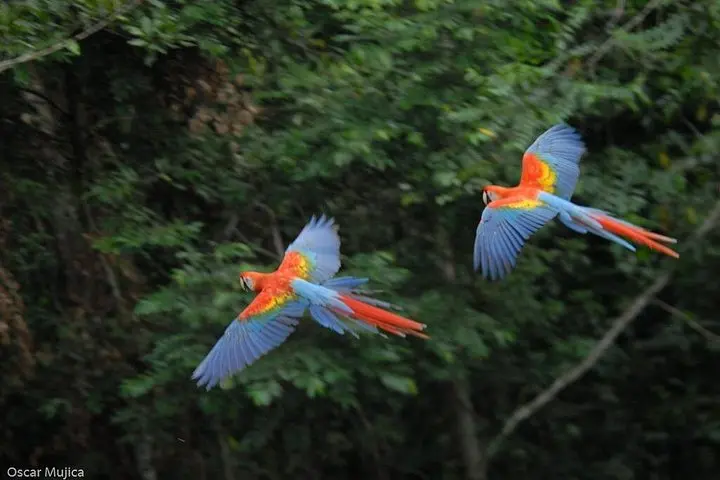
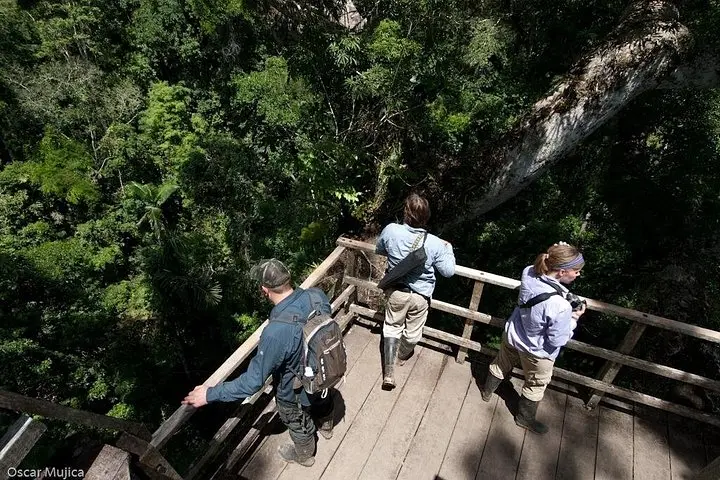
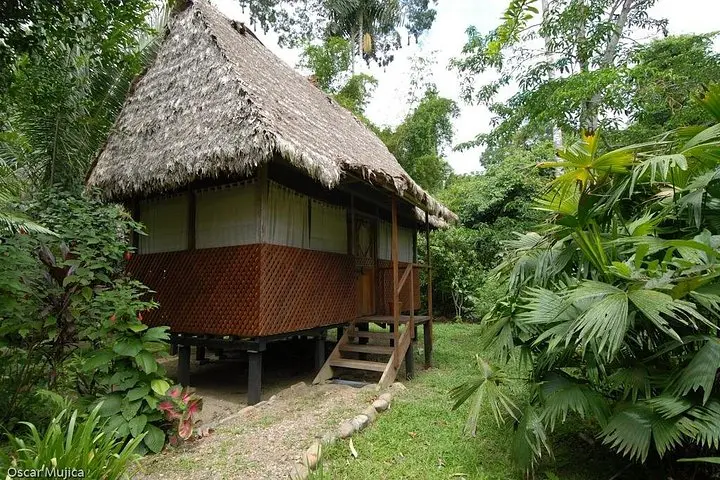
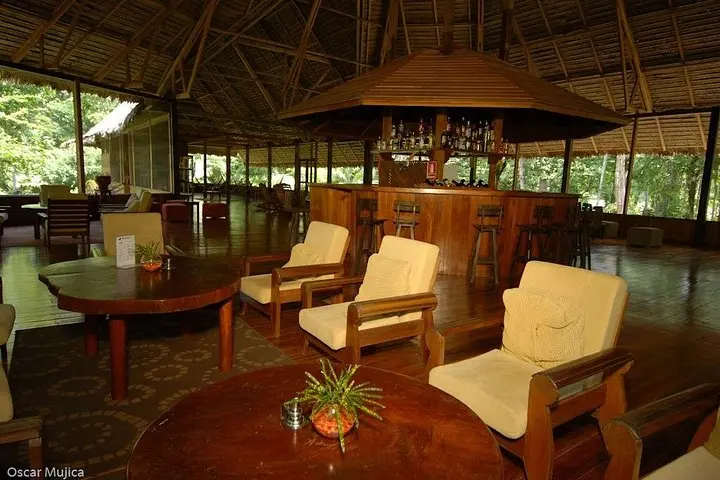
You step off the boat into heat that smells like wet earth and green sap, the river pushing back against the hull as the lodge appears on the north bank of the Madre de Dios. Birdsong slices the humidity—macaws calling from high branches—and a 34-meter canopy tower stands like an invitation to read the forest from above.
Verified experiences and guided adventures in the surrounding area.
Operated by VIPAC Travel · Puerto Maldonado, Madre de Dios
You step off the boat into heat that smells like wet earth and green sap, the river pushing back against the hull as the lodge appears on the north bank of the Madre de Dios. Birdsong slices the humidity—macaws calling from high branches—and a 34-meter canopy tower stands like an invitation to read the forest from above.
Manu Wildlife Center sits on floodplain soils shaped by the Madre de Dios and the great Inambari; oxbow lakes tell a geological story of a river constantly re-routing itself. The area borders Manu National Park, a UNESCO biosphere reserve famous for high species richness and longstanding indigenous communities—Quechua and Ese Eja groups have lived in and stewarded these forests for generations.
Days here are organized around wildlife windows: dawn river runs, midday hides at macaw and tapir clay licks, afternoon tower watches, and nocturnal walks where frog calls and the occasional caiman give rhythm to the night. The clay licks are ecological treasure chests—salt and minerals drawn out by parrots and tapirs—and a clear example of how geology shapes behavior.
Practically: arrive in Puerto Maldonado and expect a sequence of van and boat transfers that total several hours. Early mornings and patient waits in hides increase sightings; bring a 300mm+ lens or binoculars, a light rain shell, and closed shoes for muddy trails. Mosquito protection and hydration are essential—pack water treatment and quick-energy snacks. The experience rewards quiet observation and basic fitness rather than technical skill: it’s an immersion in motion, where the river dares you to slow down and the canopy rewards the patient observer.
Flights from Cusco to Puerto Maldonado are followed by a sequence of van and boat transfers (approximately 4–6 hours total from the airport) coordinated by the lodge.
No species is guaranteed, but guided hides, clay lick schedules and early river outings maximize chances; patience and quiet dramatically increase success.
Consult your travel clinic—yellow fever vaccination is commonly recommended for this region and malaria prophylaxis may be advised depending on current health guidance.
Children can participate with supervision; however the itinerary includes long boat transfers, uneven trails and a canopy tower—travelers with mobility limitations should consult the operator ahead of booking.
VIPAC Travel operates guided outdoor trips and adventures with an emphasis on safety, stewardship, and memorable experiences.
You step off the boat into heat that smells like wet earth and green sap, the river pushing back against the hull as the lodge appears on the north bank of the Madre de Dios. Birdsong slices the humidity—macaws calling from high branches—and a 34-meter canopy tower stands like an invitation to read the forest from above.
You step off the boat into heat that smells like wet earth and green sap, the river pushing back against the hull as the lodge appears on the north bank of the Madre de Dios. Birdsong slices the humidity—macaws calling from high branches—and a 34-meter canopy tower stands like an invitation to read the forest from above.
Manu Wildlife Center sits on floodplain soils shaped by the Madre de Dios and the great Inambari; oxbow lakes tell a geological story of a river constantly re-routing itself. The area borders Manu National Park, a UNESCO biosphere reserve famous for high species richness and longstanding indigenous communities—Quechua and Ese Eja groups have lived in and stewarded these forests for generations.
Days here are organized around wildlife windows: dawn river runs, midday hides at macaw and tapir clay licks, afternoon tower watches, and nocturnal walks where frog calls and the occasional caiman give rhythm to the night. The clay licks are ecological treasure chests—salt and minerals drawn out by parrots and tapirs—and a clear example of how geology shapes behavior.
Practically: arrive in Puerto Maldonado and expect a sequence of van and boat transfers that total several hours. Early mornings and patient waits in hides increase sightings; bring a 300mm+ lens or binoculars, a light rain shell, and closed shoes for muddy trails. Mosquito protection and hydration are essential—pack water treatment and quick-energy snacks. The experience rewards quiet observation and basic fitness rather than technical skill: it’s an immersion in motion, where the river dares you to slow down and the canopy rewards the patient observer.