THE ADVENTURE COLLECTIVE® · Independent discovery and booking for outdoor travel

Spend two hours with a bilingual naturalist through Manuel Antonio’s coastal rainforest, using a spotting scope to find sloths, monkeys, and secretive birds, then unwind on one of Costa Rica’s most famous beaches. Ideal for families and photographers seeking low-effort, high-reward wildlife viewing.
Spend two hours with a bilingual naturalist through Manuel Antonio’s coastal rainforest, using a spotting scope to find sloths, monkeys, and secretive birds, then unwind on one of Costa Rica’s most famous beaches. Ideal for families and photographers seeking low-effort, high-reward wildlife viewing.
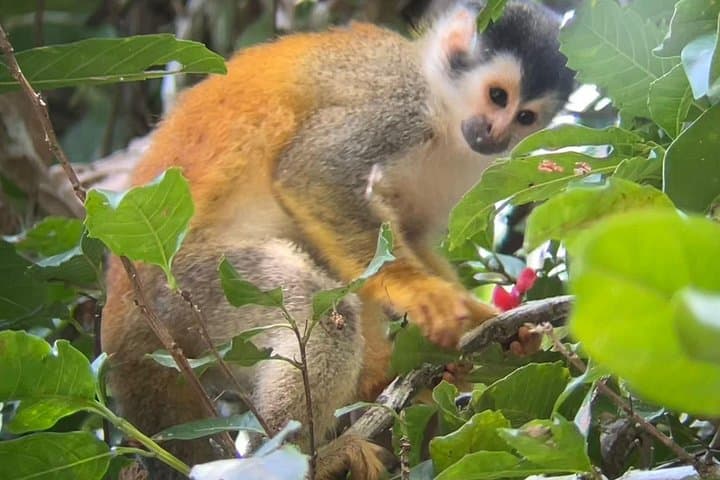
The trail opens under a low canopy and the rainforest seems to lean in, as if eager to share its secrets. Your guide pauses, trains a spotting scope on a distant branch, and you watch a squirrelly capuchin hatch a plan while the tide quietly frames the shoreline below. Over two hours the forest moves around you—leaves whispering, waves nudging the coast—while the guide points out the small, camouflaged life that keeps the park vibrant.
Verified experiences and guided adventures in the surrounding area.
Operated by Manuel Antonio Wildlife · Quepos, Puntarenas
The trail opens under a low canopy and the rainforest seems to lean in, as if eager to share its secrets. Your guide pauses, trains a spotting scope on a distant branch, and you watch a squirrelly capuchin hatch a plan while the tide quietly frames the shoreline below. Over two hours the forest moves around you—leaves whispering, waves nudging the coast—while the guide points out the small, camouflaged life that keeps the park vibrant.
Manuel Antonio National Park was set aside in 1972 to protect a rare coastal rainforest and its adjacent marine habitats. The park’s geology is a mix of rugged headlands and sandy coves carved by Pacific swell; cultural life concentrates in nearby Quepos, where fishing and tourism have shaped local cuisine and craft traditions.
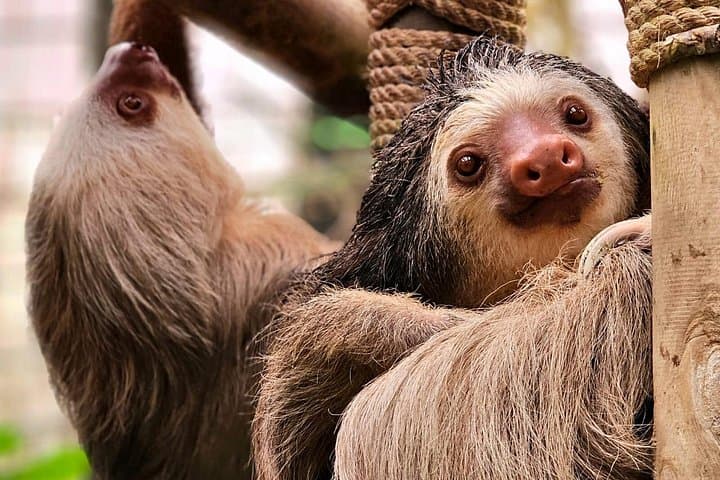
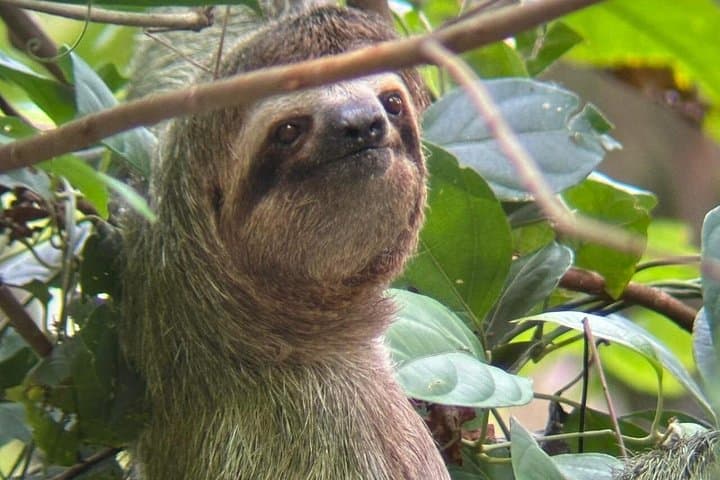
Expect narrow, well-maintained trails with short inclines and boardwalk sections, punctuated by lookout points and quiet beaches. Wildlife encounters are the draw: capuchins, two-toed sloths, iguanas and a chorus of tropical birds. Guides often use optics to photograph animals without disturbing them, and the tour ends with the freedom to relax on Manuel Antonio Beach—gentle surf, white sand, and clear water.
Practical guidance: bring a refillable water bottle, closed-toe shoes, sun protection, and a lightweight rain layer during the wet season. Start early to avoid crowds and midday heat; keep a respectful distance from wildlife and follow your guide’s directions to minimize impact. The experience blends easy hiking with focused wildlife viewing—ideal for travelers who want high-return nature sightings without strenuous effort.
Yes—trails are short and rated easy; guides accommodate families and visitors with limited mobility, as noted in accessibility details.
Confirm at booking—many guided tours include entrance fees and allow time on the beach after the guided portion.
Common sightings include white-faced capuchin monkeys, sloths, iguanas, and a variety of coastal birds; sightings can’t be guaranteed but guides increase your chances.
Drones are prohibited in the national park; tripods are usually allowed but check with the operator and follow guide instructions to avoid blocking trails.
Manuel Antonio Wildlife operates guided outdoor trips and adventures with an emphasis on safety, stewardship, and memorable experiences.

The trail opens under a low canopy and the rainforest seems to lean in, as if eager to share its secrets. Your guide pauses, trains a spotting scope on a distant branch, and you watch a squirrelly capuchin hatch a plan while the tide quietly frames the shoreline below. Over two hours the forest moves around you—leaves whispering, waves nudging the coast—while the guide points out the small, camouflaged life that keeps the park vibrant.
The trail opens under a low canopy and the rainforest seems to lean in, as if eager to share its secrets. Your guide pauses, trains a spotting scope on a distant branch, and you watch a squirrelly capuchin hatch a plan while the tide quietly frames the shoreline below. Over two hours the forest moves around you—leaves whispering, waves nudging the coast—while the guide points out the small, camouflaged life that keeps the park vibrant.
Manuel Antonio National Park was set aside in 1972 to protect a rare coastal rainforest and its adjacent marine habitats. The park’s geology is a mix of rugged headlands and sandy coves carved by Pacific swell; cultural life concentrates in nearby Quepos, where fishing and tourism have shaped local cuisine and craft traditions.
Expect narrow, well-maintained trails with short inclines and boardwalk sections, punctuated by lookout points and quiet beaches. Wildlife encounters are the draw: capuchins, two-toed sloths, iguanas and a chorus of tropical birds. Guides often use optics to photograph animals without disturbing them, and the tour ends with the freedom to relax on Manuel Antonio Beach—gentle surf, white sand, and clear water.
Practical guidance: bring a refillable water bottle, closed-toe shoes, sun protection, and a lightweight rain layer during the wet season. Start early to avoid crowds and midday heat; keep a respectful distance from wildlife and follow your guide’s directions to minimize impact. The experience blends easy hiking with focused wildlife viewing—ideal for travelers who want high-return nature sightings without strenuous effort.