THE ADVENTURE COLLECTIVE® · Independent discovery and booking for outdoor travel

Step into the rainforest after dark on a guided Manuel Antonio night walk. Find tree frogs, insects and shy nocturnal mammals while a local guide illuminates trails and tiny wonders.
Step into the rainforest after dark on a guided Manuel Antonio night walk. Find tree frogs, insects and shy nocturnal mammals while a local guide illuminates trails and tiny wonders.
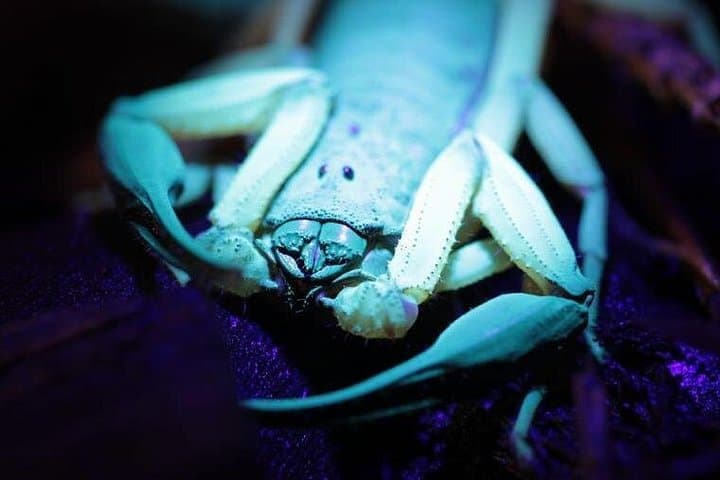
Night falls fast on Costa Rica’s Pacific edge and the rainforest changes its voice. On a guided night tour near Manuel Antonio, the trail narrows and leaves press close, fireflies and insects punctuating a low, humid dark. The guide’s flashlight cuts a corridor through ferns; every puddle and tree trunk becomes a possible stage for frogs, insects and shy mammals.
Verified experiences and guided adventures in the surrounding area.
Operated by Chocolate Tour Manuel Antonio · Quepos, Puntarenas
Night falls fast on Costa Rica’s Pacific edge and the rainforest changes its voice. On a guided night tour near Manuel Antonio, the trail narrows and leaves press close, fireflies and insects punctuating a low, humid dark. The guide’s flashlight cuts a corridor through ferns; every puddle and tree trunk becomes a possible stage for frogs, insects and shy mammals.
Manuel Antonio sits on ancient volcanic soils that slope quickly to the sea, creating steep drainage gullies and small rivers where nocturnal life concentrates. The area became a protected national park in the 1970s and remains one of Costa Rica’s richest pockets of coastal rainforest—compact but biologically dense. Local culture still remembers cacao and small-scale farming; many tours include a short visit to a nearby cacao plantation to link food history to the forest.
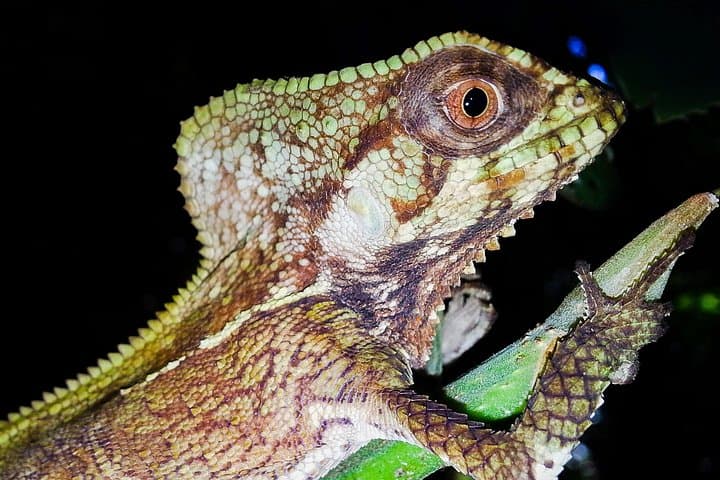
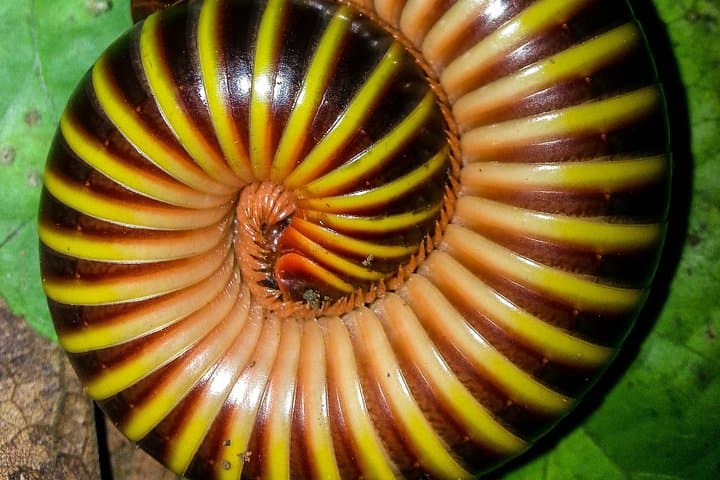
Expect close-up encounters with tree frogs, toads, colorful beetles, occasional snakes and the rustle of small mammals; guides use knowledge of calls and trails to find them without unnecessary disturbance. The jungle at night is loud and active—the forest dares you to listen.
Practical guidance: this is an easy, family-friendly walk of roughly 2–3 hours on narrow, sometimes muddy paths—bring a good headlamp or flashlight, closed-toe shoes, insect repellent and a lightweight rain layer. Stay with the group, avoid bright flashes on animals, and follow your guide’s lead to minimize impact. Tours typically include transport from Quepos/Manuel Antonio areas and provide flashlights; confirm pickup and gear needs at booking.
Yes—operators note stroller access and infant seats are available; children should be supervised and parents should confirm pickup and any age-specific policies when booking.
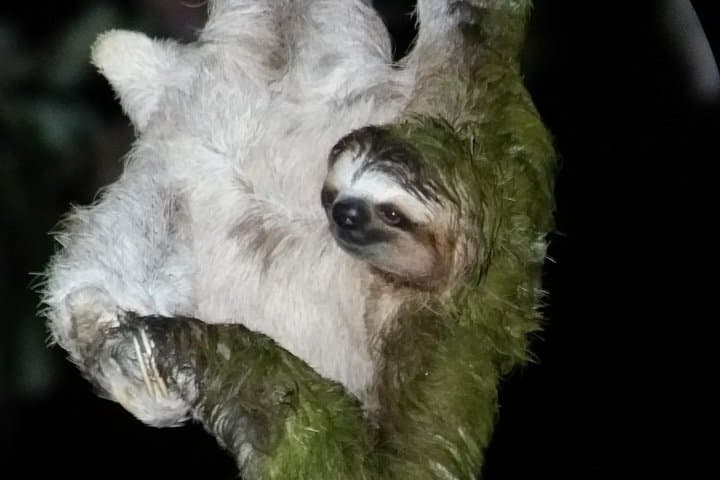
Large diurnal animals like sloths are less active at night; expect tree frogs, insects, snakes and small mammals rather than guaranteed sightings of large species.
Avoid bright flash—guides discourage it because it disturbs wildlife and ruins night vision; low-light settings or red filters are better alternatives.
Air-conditioned transport is typically included; confirm exact pickup point and time during booking as some tours require manual confirmation.
Chocolate Tour Manuel Antonio operates guided outdoor trips and adventures with an emphasis on safety, stewardship, and memorable experiences.
Night falls fast on Costa Rica’s Pacific edge and the rainforest changes its voice. On a guided night tour near Manuel Antonio, the trail narrows and leaves press close, fireflies and insects punctuating a low, humid dark. The guide’s flashlight cuts a corridor through ferns; every puddle and tree trunk becomes a possible stage for frogs, insects and shy mammals.
Night falls fast on Costa Rica’s Pacific edge and the rainforest changes its voice. On a guided night tour near Manuel Antonio, the trail narrows and leaves press close, fireflies and insects punctuating a low, humid dark. The guide’s flashlight cuts a corridor through ferns; every puddle and tree trunk becomes a possible stage for frogs, insects and shy mammals.
Manuel Antonio sits on ancient volcanic soils that slope quickly to the sea, creating steep drainage gullies and small rivers where nocturnal life concentrates. The area became a protected national park in the 1970s and remains one of Costa Rica’s richest pockets of coastal rainforest—compact but biologically dense. Local culture still remembers cacao and small-scale farming; many tours include a short visit to a nearby cacao plantation to link food history to the forest.
Expect close-up encounters with tree frogs, toads, colorful beetles, occasional snakes and the rustle of small mammals; guides use knowledge of calls and trails to find them without unnecessary disturbance. The jungle at night is loud and active—the forest dares you to listen.
Practical guidance: this is an easy, family-friendly walk of roughly 2–3 hours on narrow, sometimes muddy paths—bring a good headlamp or flashlight, closed-toe shoes, insect repellent and a lightweight rain layer. Stay with the group, avoid bright flashes on animals, and follow your guide’s lead to minimize impact. Tours typically include transport from Quepos/Manuel Antonio areas and provide flashlights; confirm pickup and gear needs at booking.