THE ADVENTURE COLLECTIVE® · Independent discovery and booking for outdoor travel

Short rainforest trails, white-sand coves and close-up wildlife sightings define a full-day visit to Manuel Antonio National Park. This guided tour includes transportation, a bilingual guide, lunch and park entrance—ideal for travelers based in Quepos or passing through the Central Pacific.
Short rainforest trails, white-sand coves and close-up wildlife sightings define a full-day visit to Manuel Antonio National Park. This guided tour includes transportation, a bilingual guide, lunch and park entrance—ideal for travelers based in Quepos or passing through the Central Pacific.
The path opens with the slap of surf and the green seam of rainforest climbing from the shore—Manuel Antonio feels alive with motion: howler monkeys barking from the canopy, waves nudging the sand, and sun breaking through palms onto narrow trails.
Verified experiences and guided adventures in the surrounding area.
Operated by Tico Travel Adventures · Quepos, Puntarenas
The path opens with the slap of surf and the green seam of rainforest climbing from the shore—Manuel Antonio feels alive with motion: howler monkeys barking from the canopy, waves nudging the sand, and sun breaking through palms onto narrow trails.
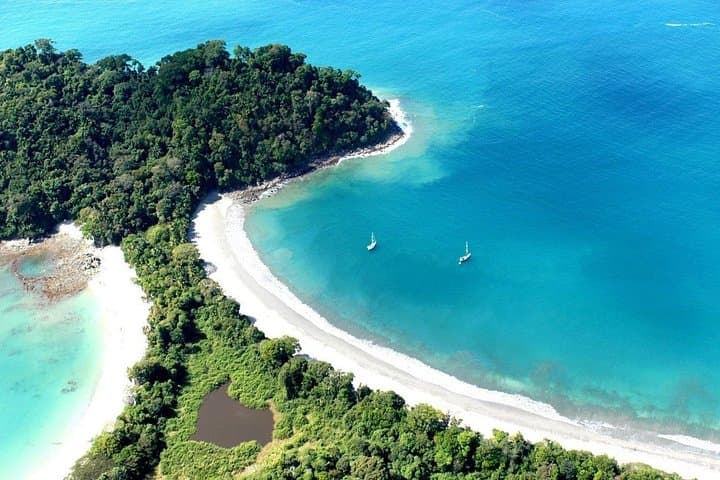
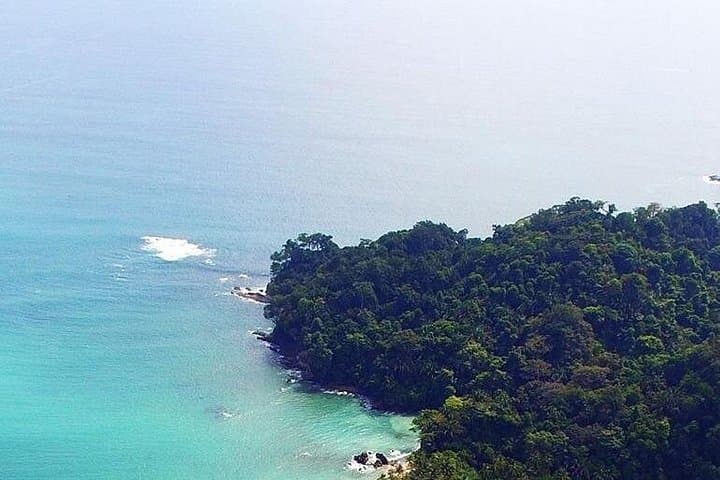
One of Costa Rica’s smallest national parks, Manuel Antonio protects steep coastal rainforest, granite headlands and a handful of white-sand coves. Established in the early 1970s to conserve this fragile Pacific coast, the park sits on ancient volcanic rock worn smooth by tides; trails wind across low ridgelines and drop to beaches that have been popular with locals since the mid-20th century.
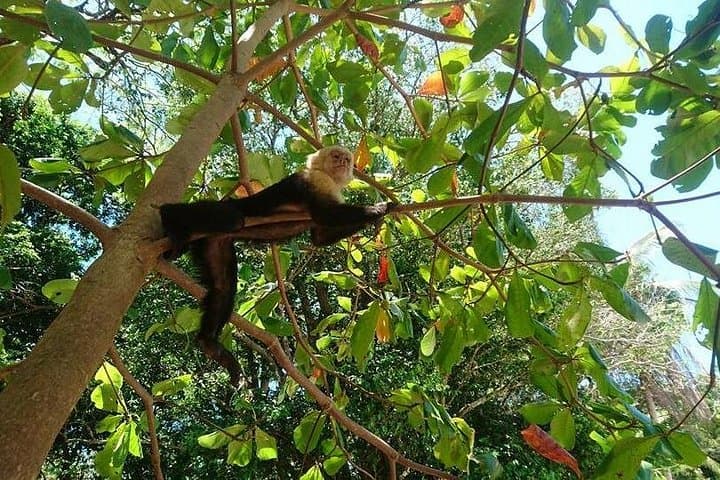
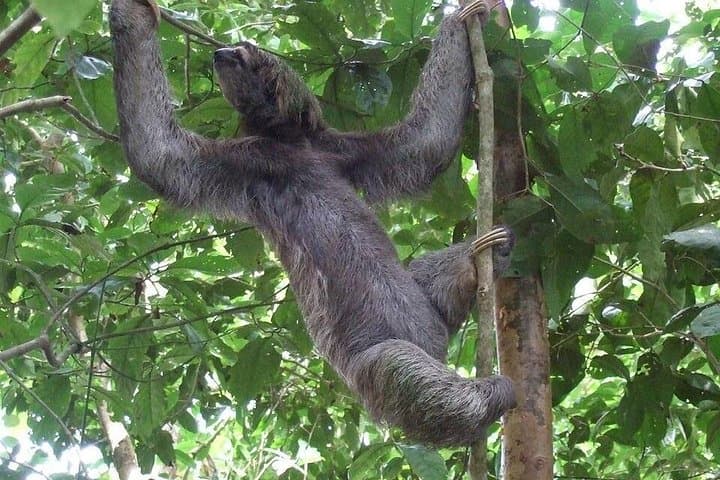
Culture here blends coastal fishing villages with a growing eco-tourism industry; bilingual guides commonly point out capuchin monkeys, sloths and shorebirds while explaining local conservation efforts. On many day tours you'll stop along the Río Tarcoles or a roadside lookout to see crocodiles before arriving at the park.
Practical guidance: expect an 11–12 hour day with hotel pickup in an air-conditioned vehicle and a guided park visit that includes lunch and entrance. Trails are short and well-marked—most walks involve under 120 m of elevation gain—but surfaces can be uneven and slippery after rain. Bring a reusable water bottle, reef-safe sunscreen, insect repellent and sturdy shoes; pack swimwear for quick beach breaks. Aim for early entry to avoid midday crowds and the heat; always keep distance from wildlife and follow your guide’s instructions.
A day here is a compact, high-yield nature experience—short hikes, coastal views and wildlife encounters that feel immediate and unmistakably tropical.
Yes—beaches inside the park are open for swimming when conditions are safe; follow your guide’s advice about currents and designated swimming spots.
Most tours include round-trip transfer from hotels; independently, the drive from San José takes about 2.5–3 hours depending on traffic, often with a crocodile-viewing stop en route.
The park has short, family-friendly trails and some wheelchair-accessible surfaces, but not all areas are fully accessible—check with your operator about transport and specific access requirements.
Tours typically include the national park entrance fee—confirm when booking; otherwise, entrances can be purchased at the park entrance in person.
Tico Travel Adventures operates guided outdoor trips and adventures with an emphasis on safety, stewardship, and memorable experiences.
The path opens with the slap of surf and the green seam of rainforest climbing from the shore—Manuel Antonio feels alive with motion: howler monkeys barking from the canopy, waves nudging the sand, and sun breaking through palms onto narrow trails.
The path opens with the slap of surf and the green seam of rainforest climbing from the shore—Manuel Antonio feels alive with motion: howler monkeys barking from the canopy, waves nudging the sand, and sun breaking through palms onto narrow trails.
One of Costa Rica’s smallest national parks, Manuel Antonio protects steep coastal rainforest, granite headlands and a handful of white-sand coves. Established in the early 1970s to conserve this fragile Pacific coast, the park sits on ancient volcanic rock worn smooth by tides; trails wind across low ridgelines and drop to beaches that have been popular with locals since the mid-20th century.
Culture here blends coastal fishing villages with a growing eco-tourism industry; bilingual guides commonly point out capuchin monkeys, sloths and shorebirds while explaining local conservation efforts. On many day tours you'll stop along the Río Tarcoles or a roadside lookout to see crocodiles before arriving at the park.
Practical guidance: expect an 11–12 hour day with hotel pickup in an air-conditioned vehicle and a guided park visit that includes lunch and entrance. Trails are short and well-marked—most walks involve under 120 m of elevation gain—but surfaces can be uneven and slippery after rain. Bring a reusable water bottle, reef-safe sunscreen, insect repellent and sturdy shoes; pack swimwear for quick beach breaks. Aim for early entry to avoid midday crowds and the heat; always keep distance from wildlife and follow your guide’s instructions.
A day here is a compact, high-yield nature experience—short hikes, coastal views and wildlife encounters that feel immediate and unmistakably tropical.