THE ADVENTURE COLLECTIVE® · Independent discovery and booking for outdoor travel

A three-hour naturalist-led tour through Manuel Antonio National Park that combines close wildlife viewing with a short beach stop. Expect guided trail walks, spotting scopes, and practical conservation guidance to make the most of your visit.
A three-hour naturalist-led tour through Manuel Antonio National Park that combines close wildlife viewing with a short beach stop. Expect guided trail walks, spotting scopes, and practical conservation guidance to make the most of your visit.
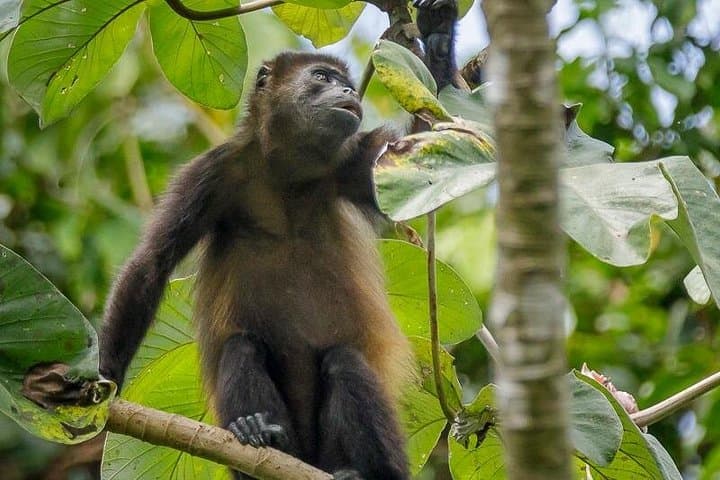
You step from the van and the air changes: humid, green, alive. Trails curve under a high canopy where howler monkeys announce themselves and a toucan’s call cuts through the leaves. The guided three‑hour walk in Manuel Antonio National Park pushes you into the tangle of primary and secondary forest and out to a small, warm Pacific beach where surf edges the sand.
Verified experiences and guided adventures in the surrounding area.
Operated by Chocolate Tour Manuel Antonio · Quepos, Puntarenas
You step from the van and the air changes: humid, green, alive. Trails curve under a high canopy where howler monkeys announce themselves and a toucan’s call cuts through the leaves. The guided three‑hour walk in Manuel Antonio National Park pushes you into the tangle of primary and secondary forest and out to a small, warm Pacific beach where surf edges the sand.
The park, established in 1972, protects lowland rainforest and coastal ecosystems carved from volcanic soil and Pacific tides. Geology here is recent — eroded slopes and compacted ash feeding the rich, quick-growing forests. Local Quepos culture mixes fishing village rhythms with modern eco-tourism; guides are often naturalists trained to read tracks, calls and canopy life.
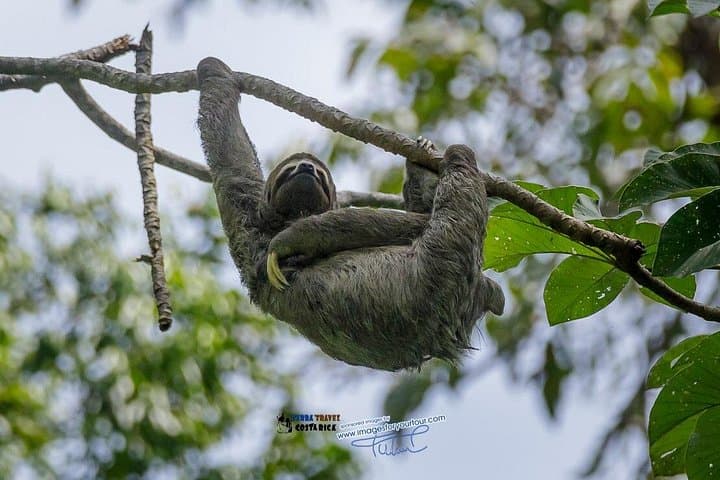
Expect close wildlife encounters: white-faced capuchins vault overhead, two- and three-toed sloths hang like slow ornaments, and kingfishers dive along the shore. The guide’s spotting scope makes distant birds anatomical — feathers, beak, intent.
Practical edge: trails are short but uneven — wet roots and sudden steps demand steady shoes. Mornings are cooler and quieter; midday brings heat and more people. Bring water, reef‑safe sunscreen, and a lightweight rain layer for sudden showers. Respect the marked routes: the park’s narrow trails and beaches are fragile habitat; stay behind ropes and follow your interpreter’s guidance.
A well-paced interpretive tour here balances thrill and conservation: you’ll leave with binocular memories and a clearer sense of how coastal rainforest, local livelihoods, and active protection work together to keep Manuel Antonio wild.
Yes — the itinerary specifies that the park entrance fee is included with the guided tour.
The operator notes stroller accessibility and infant seats available, but trails include steps and roots so small children should be carried where necessary.
Yes — the guide allows time at the beach; always follow lifeguard advice if present and be cautious of currents and rocks.
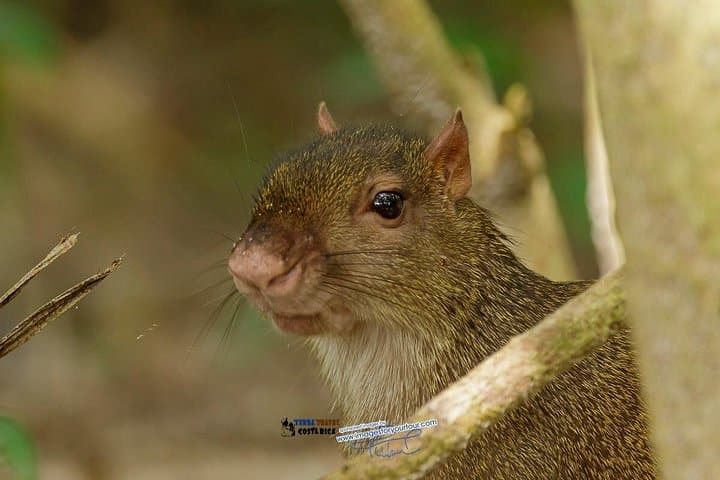
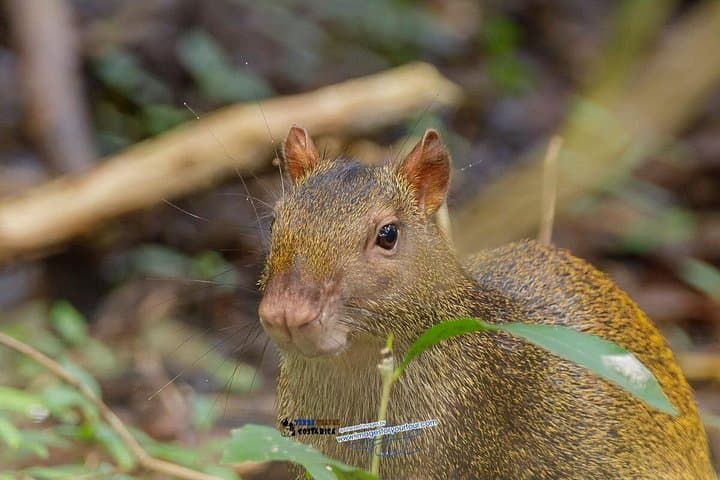
Common sightings include white-faced capuchins, howler monkeys, sloths, toucans and a variety of shore and forest birds; sightings are never guaranteed.
Chocolate Tour Manuel Antonio operates guided outdoor trips and adventures with an emphasis on safety, stewardship, and memorable experiences.
You step from the van and the air changes: humid, green, alive. Trails curve under a high canopy where howler monkeys announce themselves and a toucan’s call cuts through the leaves. The guided three‑hour walk in Manuel Antonio National Park pushes you into the tangle of primary and secondary forest and out to a small, warm Pacific beach where surf edges the sand.
You step from the van and the air changes: humid, green, alive. Trails curve under a high canopy where howler monkeys announce themselves and a toucan’s call cuts through the leaves. The guided three‑hour walk in Manuel Antonio National Park pushes you into the tangle of primary and secondary forest and out to a small, warm Pacific beach where surf edges the sand.
The park, established in 1972, protects lowland rainforest and coastal ecosystems carved from volcanic soil and Pacific tides. Geology here is recent — eroded slopes and compacted ash feeding the rich, quick-growing forests. Local Quepos culture mixes fishing village rhythms with modern eco-tourism; guides are often naturalists trained to read tracks, calls and canopy life.
Expect close wildlife encounters: white-faced capuchins vault overhead, two- and three-toed sloths hang like slow ornaments, and kingfishers dive along the shore. The guide’s spotting scope makes distant birds anatomical — feathers, beak, intent.
Practical edge: trails are short but uneven — wet roots and sudden steps demand steady shoes. Mornings are cooler and quieter; midday brings heat and more people. Bring water, reef‑safe sunscreen, and a lightweight rain layer for sudden showers. Respect the marked routes: the park’s narrow trails and beaches are fragile habitat; stay behind ropes and follow your interpreter’s guidance.
A well-paced interpretive tour here balances thrill and conservation: you’ll leave with binocular memories and a clearer sense of how coastal rainforest, local livelihoods, and active protection work together to keep Manuel Antonio wild.