THE ADVENTURE COLLECTIVE® · Independent discovery and booking for outdoor travel

Explore Manuel Antonio’s coastal rainforest with a certified naturalist on an easy-paced, wildlife-focused walk that ends with a beach stop. Ideal for first-time visitors, this four-hour tour combines ecology, viewpoints, and a chance to swim.
Explore Manuel Antonio’s coastal rainforest with a certified naturalist on an easy-paced, wildlife-focused walk that ends with a beach stop. Ideal for first-time visitors, this four-hour tour combines ecology, viewpoints, and a chance to swim.
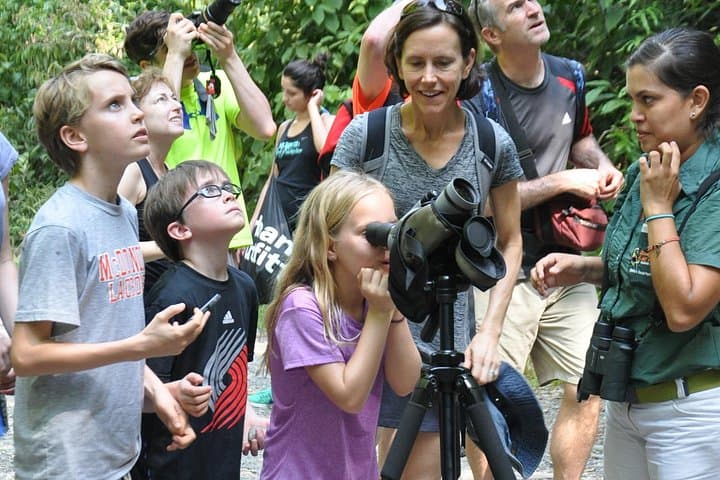
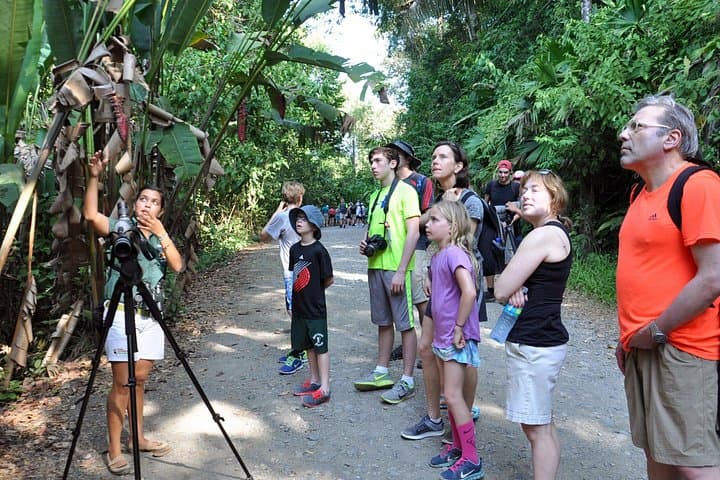
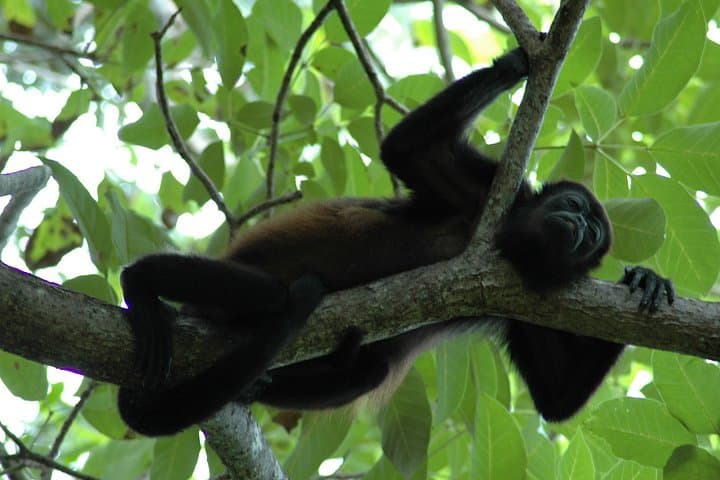
Morning light breaks through the canopy and a guide’s voice threads between howler calls as the trail unfurls toward the Pacific. On this guided walk through Manuel Antonio National Park, the forest feels alive — leaves whisper, bromeliads cradle droplets, and tidal surf occasionally punctuates the birdcalls. The route moves at an easy, observant pace, pausing where wildlife gathers and at cliffside viewpoints that open to blue water and rugged headlands.
Verified experiences and guided adventures in the surrounding area.
Operated by Tucanes Tours · Manuel Antonio, Puntarenas
Morning light breaks through the canopy and a guide’s voice threads between howler calls as the trail unfurls toward the Pacific. On this guided walk through Manuel Antonio National Park, the forest feels alive — leaves whisper, bromeliads cradle droplets, and tidal surf occasionally punctuates the birdcalls. The route moves at an easy, observant pace, pausing where wildlife gathers and at cliffside viewpoints that open to blue water and rugged headlands.
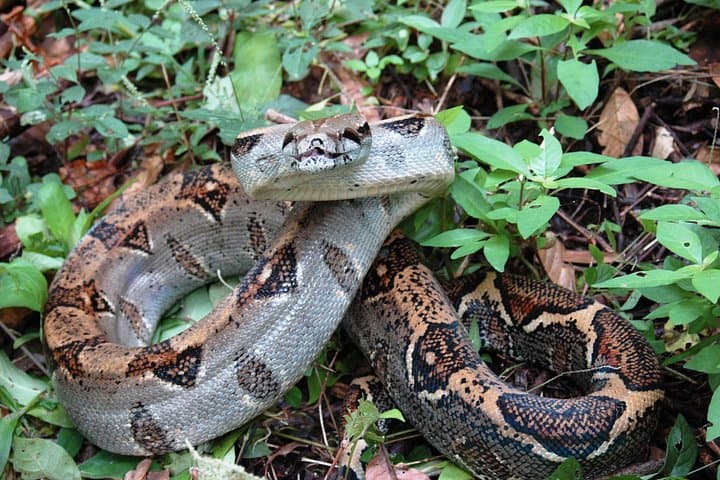
Created in 1972 and one of Costa Rica’s smallest but most biodiverse parks, Manuel Antonio sits on Pacific foothills of the Puntarenas province. The geology is coastal and volcanic, with steep ridges dropping to sandy coves; the human story blends indigenous presence and later conservation efforts that limited development and protected habitat. Guides explain the park’s ecosystems — lowland tropical rainforest, mangrove edges, and coastal scrub — while pointing out endemic plants and the behavior of white-faced capuchins, sloths, and tropical birds.
Practically, expect well-marked but sometimes rooty trails and a final, relaxed beach stop for a snack and optional swim. Trails can be hot and damp; binoculars and a camera reward patient, slow movement. Tours typically start early to maximize wildlife sightings and avoid midday heat and crowds. Entrance fees and a certified naturalist guide are included; transportation from Quepos or Manuel Antonio is usually provided. Respect wildlife viewing etiquette: keep distance, don’t feed animals, and stay on trails. With basic hiking shoes, sun and insect protection, and water, this four-hour tour is accessible, informative, and a focused way to experience Costa Rica’s coastal rainforest.
The tour runs about four hours, typically starting early morning and including trail walking and a beach stop.
Yes — the tour description states entrance fees, certified naturalist guide, snacks, beverages, and round-trip transport from Quepos or Manuel Antonio are included.
Yes — the walk is described as easy-paced and suitable for all fitness levels, though children must be accompanied by an adult.
Common sightings include sloths, white-faced capuchin and howler monkeys, iguanas, and a variety of coastal and tropical birds; sightings are never guaranteed.
Tucanes Tours operates guided outdoor trips and adventures with an emphasis on safety, stewardship, and memorable experiences.
Morning light breaks through the canopy and a guide’s voice threads between howler calls as the trail unfurls toward the Pacific. On this guided walk through Manuel Antonio National Park, the forest feels alive — leaves whisper, bromeliads cradle droplets, and tidal surf occasionally punctuates the birdcalls. The route moves at an easy, observant pace, pausing where wildlife gathers and at cliffside viewpoints that open to blue water and rugged headlands.
Morning light breaks through the canopy and a guide’s voice threads between howler calls as the trail unfurls toward the Pacific. On this guided walk through Manuel Antonio National Park, the forest feels alive — leaves whisper, bromeliads cradle droplets, and tidal surf occasionally punctuates the birdcalls. The route moves at an easy, observant pace, pausing where wildlife gathers and at cliffside viewpoints that open to blue water and rugged headlands.
Created in 1972 and one of Costa Rica’s smallest but most biodiverse parks, Manuel Antonio sits on Pacific foothills of the Puntarenas province. The geology is coastal and volcanic, with steep ridges dropping to sandy coves; the human story blends indigenous presence and later conservation efforts that limited development and protected habitat. Guides explain the park’s ecosystems — lowland tropical rainforest, mangrove edges, and coastal scrub — while pointing out endemic plants and the behavior of white-faced capuchins, sloths, and tropical birds.
Practically, expect well-marked but sometimes rooty trails and a final, relaxed beach stop for a snack and optional swim. Trails can be hot and damp; binoculars and a camera reward patient, slow movement. Tours typically start early to maximize wildlife sightings and avoid midday heat and crowds. Entrance fees and a certified naturalist guide are included; transportation from Quepos or Manuel Antonio is usually provided. Respect wildlife viewing etiquette: keep distance, don’t feed animals, and stay on trails. With basic hiking shoes, sun and insect protection, and water, this four-hour tour is accessible, informative, and a focused way to experience Costa Rica’s coastal rainforest.