THE ADVENTURE COLLECTIVE® · Independent discovery and booking for outdoor travel

Walk rainforest trails that meet the Pacific on a private, customizable tour of Manuel Antonio National Park. Expect close wildlife viewing, short beach stops, and a bilingual certified guide who tailors timing and route to your group's pace.
Walk rainforest trails that meet the Pacific on a private, customizable tour of Manuel Antonio National Park. Expect close wildlife viewing, short beach stops, and a bilingual certified guide who tailors timing and route to your group's pace.
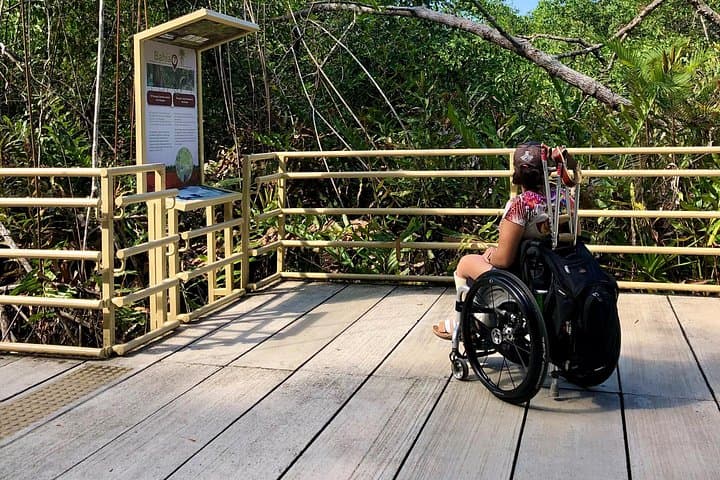
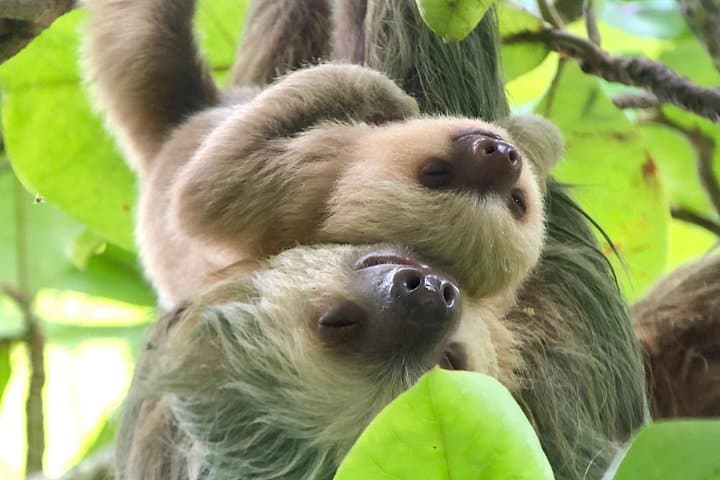
A humid breeze threads the canopy and salt tang rides the wind as a small group steps onto the raised boardwalk that leads through Manuel Antonio National Park. The guide slows the pace, voice low; a three-toed sloth blinks from a tangle of leaves, while far below, the Pacific tests the shore with a steady backwash. This is a place where rainforest pushes itself to the sea and wildlife decides the schedule.
Verified experiences and guided adventures in the surrounding area.
Operated by Manuel's Tours, Costa Rica. · Quepos, Puntarenas
A humid breeze threads the canopy and salt tang rides the wind as a small group steps onto the raised boardwalk that leads through Manuel Antonio National Park. The guide slows the pace, voice low; a three-toed sloth blinks from a tangle of leaves, while far below, the Pacific tests the shore with a steady backwash. This is a place where rainforest pushes itself to the sea and wildlife decides the schedule.
The park was established in 1972 to protect lowland tropical forest and near-shore marine habitat, its coastal cliffs cut from uplifted sedimentary rocks and coral-derived sands. Local communities in Quepos and the Manuel Antonio area have long depended on fishing and growing tourism; guides here are typically certified by the Costa Rican Tourism Board and blend natural history with practical trail stewardship.
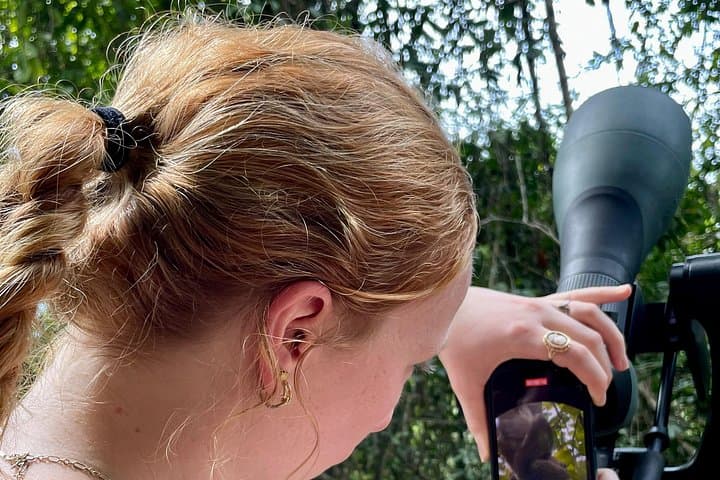
On a private, customizable tour expect 2–3 hours of mixed trail and beach time: shaded, often muddy footpaths, short stair sections, and flat boardwalks that funnel visitors to lookout points and two main beaches. Wildlife encounters commonly include sloths, several monkey species, toucans, and agoutis; guides use spotting scopes to extend sightings without disturbing animals. Note park rules: no single-use plastics, no feeding wildlife, and beach areas close earlier than main park hours.
Practical planning centers on timing and gear: morning tours avoid the midday heat and most crowds, dry-season surf is gentler, and green season intensifies foliage and mosquitoes. Bring closed-toe shoes for trails and sandals for shore, a reusable water bottle, non-aerosol sunscreen and repellent, and a light rain layer—nature here is lively and expects you to move with it.
Tours run about 2–3 hours and are customizable—guides tailor pace, emphasis (wildlife, photography, beach time), and start times to your group.
All-inclusive options include national park entrance; otherwise the guide service can arrange tickets and present them at the park office.
Yes, but beach areas close earlier than park hours—if you want extended beach time request pre-arranged return transport and plan around the 3:00 p.m. beach closure.
Some sections use boardwalks and are accessible, but uneven trails and stairs are present; check specific accessibility needs with the operator in advance.
Manuel's Tours, Costa Rica. operates guided outdoor trips and adventures with an emphasis on safety, stewardship, and memorable experiences.

A humid breeze threads the canopy and salt tang rides the wind as a small group steps onto the raised boardwalk that leads through Manuel Antonio National Park. The guide slows the pace, voice low; a three-toed sloth blinks from a tangle of leaves, while far below, the Pacific tests the shore with a steady backwash. This is a place where rainforest pushes itself to the sea and wildlife decides the schedule.
A humid breeze threads the canopy and salt tang rides the wind as a small group steps onto the raised boardwalk that leads through Manuel Antonio National Park. The guide slows the pace, voice low; a three-toed sloth blinks from a tangle of leaves, while far below, the Pacific tests the shore with a steady backwash. This is a place where rainforest pushes itself to the sea and wildlife decides the schedule.
The park was established in 1972 to protect lowland tropical forest and near-shore marine habitat, its coastal cliffs cut from uplifted sedimentary rocks and coral-derived sands. Local communities in Quepos and the Manuel Antonio area have long depended on fishing and growing tourism; guides here are typically certified by the Costa Rican Tourism Board and blend natural history with practical trail stewardship.
On a private, customizable tour expect 2–3 hours of mixed trail and beach time: shaded, often muddy footpaths, short stair sections, and flat boardwalks that funnel visitors to lookout points and two main beaches. Wildlife encounters commonly include sloths, several monkey species, toucans, and agoutis; guides use spotting scopes to extend sightings without disturbing animals. Note park rules: no single-use plastics, no feeding wildlife, and beach areas close earlier than main park hours.
Practical planning centers on timing and gear: morning tours avoid the midday heat and most crowds, dry-season surf is gentler, and green season intensifies foliage and mosquitoes. Bring closed-toe shoes for trails and sandals for shore, a reusable water bottle, non-aerosol sunscreen and repellent, and a light rain layer—nature here is lively and expects you to move with it.