THE ADVENTURE COLLECTIVE® · Independent discovery and booking for outdoor travel

Explore Manuel Antonio’s rainforest trails and hidden beaches with a licensed guide and high-quality optics for wildlife viewing. This half-day experience combines close-up animal encounters with practical interpretation and easy-to-moderate walking.
Explore Manuel Antonio’s rainforest trails and hidden beaches with a licensed guide and high-quality optics for wildlife viewing. This half-day experience combines close-up animal encounters with practical interpretation and easy-to-moderate walking.
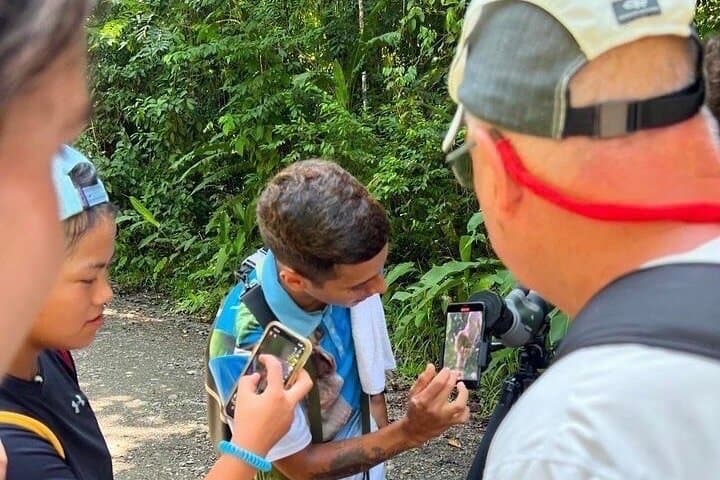
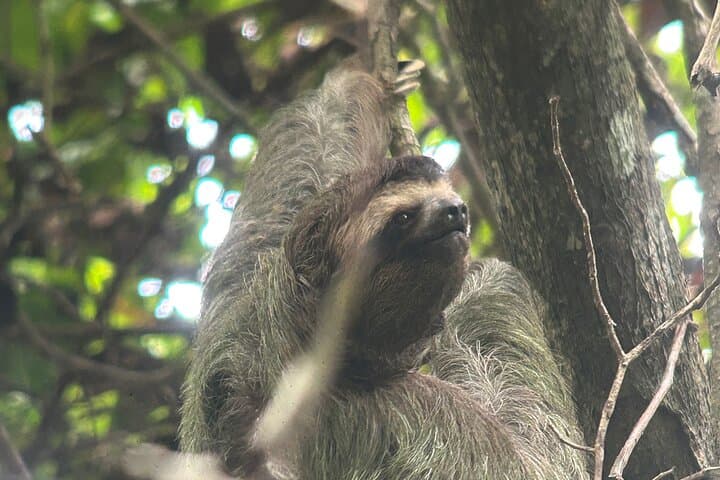
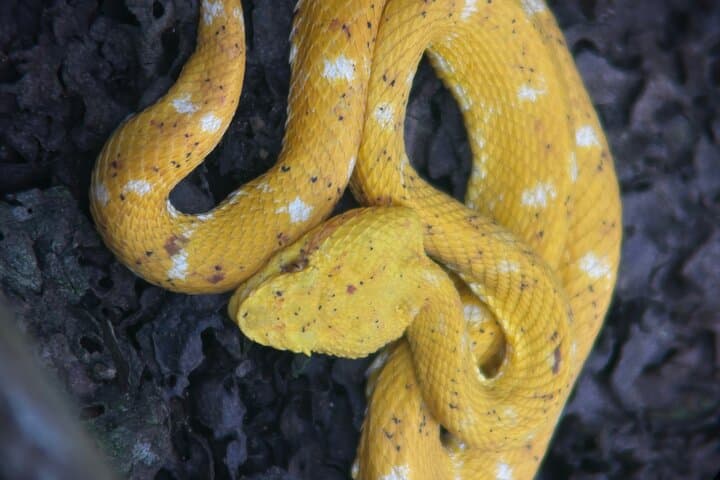
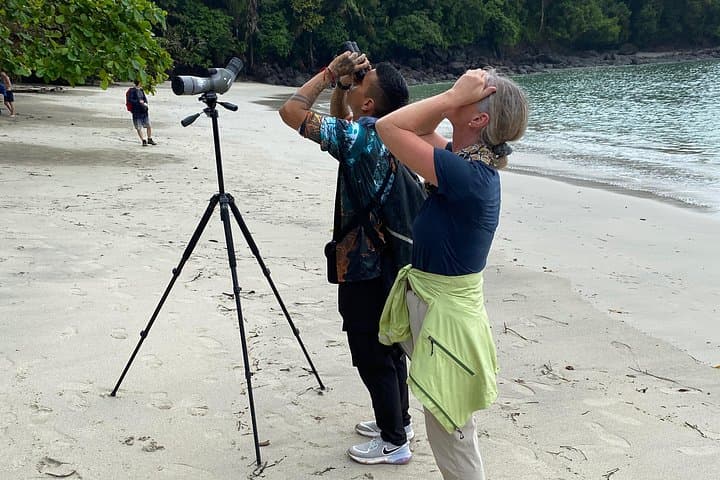
You step from humid roadside air into a corridor of green where the forest leans over the trail like a curious neighbor. The guide lifts a high-quality telescope; a sloth blinks lazily two tree crowns away while capuchin monkeys chatter at the treeline. Waves beyond the foliage slap the shoreline—a constant, reassuring rhythm that invites exploration.
Verified experiences and guided adventures in the surrounding area.
Operated by Bioexploring Quepos · Quepos, Puntarenas
You step from humid roadside air into a corridor of green where the forest leans over the trail like a curious neighbor. The guide lifts a high-quality telescope; a sloth blinks lazily two tree crowns away while capuchin monkeys chatter at the treeline. Waves beyond the foliage slap the shoreline—a constant, reassuring rhythm that invites exploration.
Manuel Antonio National Park, created in 1972, is one of Costa Rica’s smallest but most biodiverse protected areas on the central Pacific coast. Geology here is coastal lowland—rocky headlands, sandy coves and narrow ridgelines carved by tropical rains. Local culture in the nearby town of Quepos centers on fishing and eco-tourism; many guides are certified by ICT and combine natural history with conservation messaging.
On a guided tour you’ll move deliberately: short uphill steps, slick boardwalks, and sandy stretches that lead to postcard beaches. Expect interpretation about native trees, mangrove pockets and the intertidal life that feeds the forests. Guides commonly use optics to spot wildlife without disturbing it, and small-group pacing maximizes sightings.
Practical guidance: arrive early to avoid midday heat and crowds, carry reef‑safe sunscreen and a reusable water bottle, and wear grippy shoes for muddy sections. Park admission is separate—buy tickets in advance when possible—and keep food secured to avoid habituating animals. With basic fitness and respect for trail etiquette, this half-day tour delivers concentrated rainforest and beach experiences that feel both immediate and responsibly managed.
No—this tour description notes that park admission is not included; purchase entrance tickets separately or confirm with the operator prior to departure.
Early morning offers cooler temperatures and higher wildlife activity; arriving at or before park opening improves sighting chances and avoids crowds.
The operator notes stroller and wheelchair accessibility in some areas, but sections of trail include steps and uneven ground—check with the guide if mobility concerns exist.
Yes—guided itineraries often end at one of the park’s beaches; check tide and current conditions and follow the guide’s safety advice before entering the water.
Bioexploring Quepos operates guided outdoor trips and adventures with an emphasis on safety, stewardship, and memorable experiences.
You step from humid roadside air into a corridor of green where the forest leans over the trail like a curious neighbor. The guide lifts a high-quality telescope; a sloth blinks lazily two tree crowns away while capuchin monkeys chatter at the treeline. Waves beyond the foliage slap the shoreline—a constant, reassuring rhythm that invites exploration.
You step from humid roadside air into a corridor of green where the forest leans over the trail like a curious neighbor. The guide lifts a high-quality telescope; a sloth blinks lazily two tree crowns away while capuchin monkeys chatter at the treeline. Waves beyond the foliage slap the shoreline—a constant, reassuring rhythm that invites exploration.
Manuel Antonio National Park, created in 1972, is one of Costa Rica’s smallest but most biodiverse protected areas on the central Pacific coast. Geology here is coastal lowland—rocky headlands, sandy coves and narrow ridgelines carved by tropical rains. Local culture in the nearby town of Quepos centers on fishing and eco-tourism; many guides are certified by ICT and combine natural history with conservation messaging.
On a guided tour you’ll move deliberately: short uphill steps, slick boardwalks, and sandy stretches that lead to postcard beaches. Expect interpretation about native trees, mangrove pockets and the intertidal life that feeds the forests. Guides commonly use optics to spot wildlife without disturbing it, and small-group pacing maximizes sightings.
Practical guidance: arrive early to avoid midday heat and crowds, carry reef‑safe sunscreen and a reusable water bottle, and wear grippy shoes for muddy sections. Park admission is separate—buy tickets in advance when possible—and keep food secured to avoid habituating animals. With basic fitness and respect for trail etiquette, this half-day tour delivers concentrated rainforest and beach experiences that feel both immediate and responsibly managed.