THE ADVENTURE COLLECTIVE® · Independent discovery and booking for outdoor travel

A short, expert-led walk through Manuel Antonio National Park that combines rainforest wildlife viewing with a beach finish. Binoculars and a naturalist guide increase your chances to see monkeys, sloths and shorebirds during this 2–3 hour experience.
A short, expert-led walk through Manuel Antonio National Park that combines rainforest wildlife viewing with a beach finish. Binoculars and a naturalist guide increase your chances to see monkeys, sloths and shorebirds during this 2–3 hour experience.
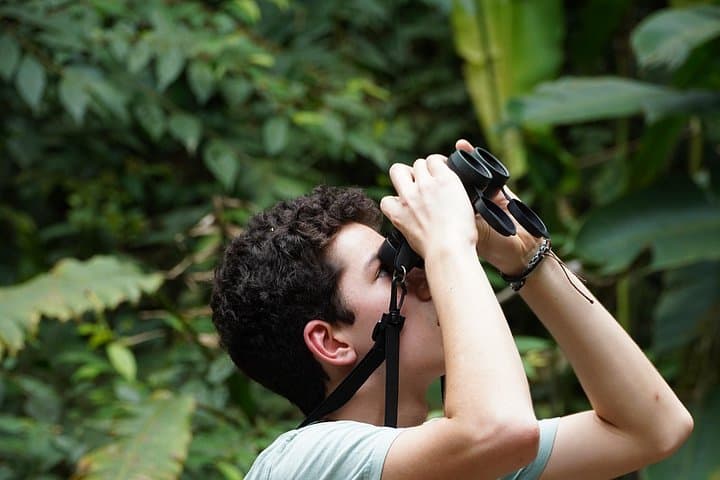
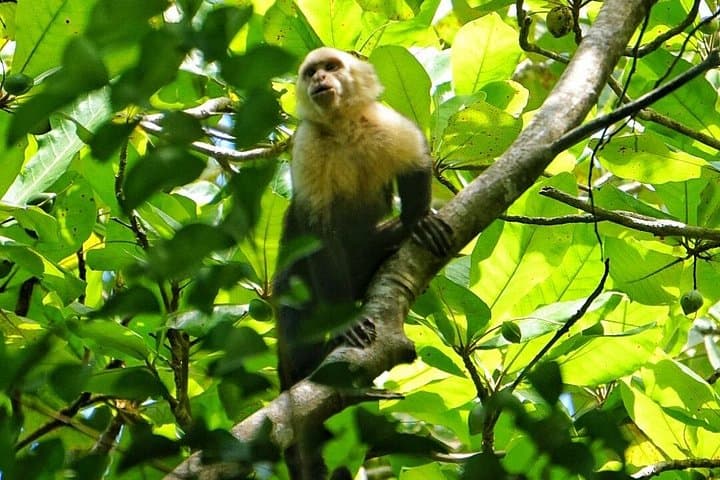
The trail opens under a canopy of green and the air tastes faintly of salt; a guide swivels binoculars toward a high branch and you freeze — a trio of monkeys moves like punctuation in the leaves. Manuel Antonio’s paths are short but sharply alive: lowland rainforest pressing close to the Pacific, sudden clearings that throw sunlight onto lichen-streaked trunks, and a final drop onto a broad, warm beach where surf pulls at your ankles.
Verified experiences and guided adventures in the surrounding area.
Operated by Paddle 9 · Quepos, Puntarenas
The trail opens under a canopy of green and the air tastes faintly of salt; a guide swivels binoculars toward a high branch and you freeze — a trio of monkeys moves like punctuation in the leaves. Manuel Antonio’s paths are short but sharply alive: lowland rainforest pressing close to the Pacific, sudden clearings that throw sunlight onto lichen-streaked trunks, and a final drop onto a broad, warm beach where surf pulls at your ankles.
Created in the early 1970s to protect one of Costa Rica’s most accessible coastal forests, the park sits on volcanic-derived soils and eroded coastal rock that together shape steep headlands and sheltered bays. Local Quepos culture is tied to the sea — fishermen still land catches at dawn while guides use generational knowledge to interpret tracks, calls, and sleeping sloths.
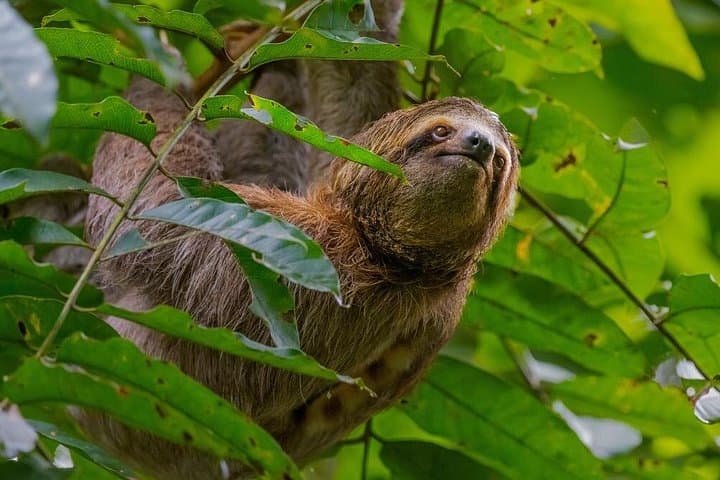
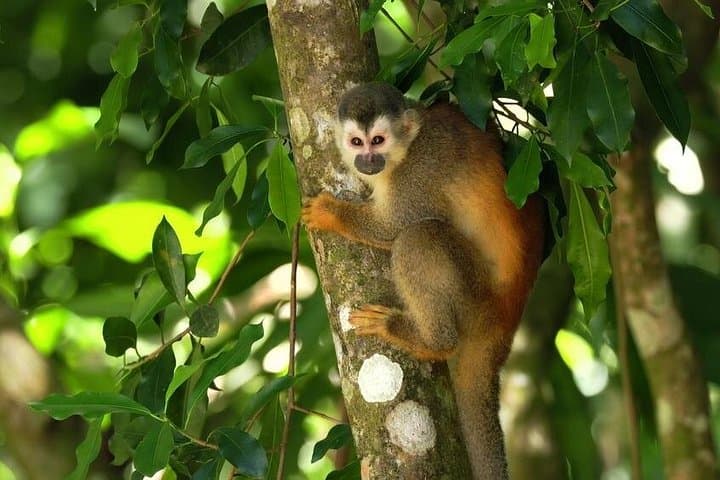
On a guided, binocular-equipped walk expect 1.5–2.5 hours of mainly flat to gently undulating trails; your naturalist will point out three species of monkeys, two species of sloth, iguanas and a dense bird list. Trails are dirt and boardwalks with occasional roots and steps; tides and sun can change the feel of the beaches quickly.
Practical notes: go early for quieter trails and active animals, wear closed shoes with grip, bring water, reef-safe sunscreen and insect repellent, and leave a tip for the guide if they help you spot hidden wildlife. The tour finishes at the park beaches — plan a swimsuit and a towel if you intend to linger.
Yes; admission to Manuel Antonio National Park is included in this tour's price as part of the guided visit.
Guided exploration inside the park is approximately 1.5–2 hours, with the full experience lasting about 2.5 hours including arrival and beach time.
Yes — the tour finishes at the park’s beaches and you may swim if conditions and lifeguard guidance allow; bring a towel and swimsuit.
The operator notes infants and small children can use strollers, but some stretches involve steps and uneven ground; contact the tour for special arrangements.
Paddle 9 operates guided outdoor trips and adventures with an emphasis on safety, stewardship, and memorable experiences.
The trail opens under a canopy of green and the air tastes faintly of salt; a guide swivels binoculars toward a high branch and you freeze — a trio of monkeys moves like punctuation in the leaves. Manuel Antonio’s paths are short but sharply alive: lowland rainforest pressing close to the Pacific, sudden clearings that throw sunlight onto lichen-streaked trunks, and a final drop onto a broad, warm beach where surf pulls at your ankles.
The trail opens under a canopy of green and the air tastes faintly of salt; a guide swivels binoculars toward a high branch and you freeze — a trio of monkeys moves like punctuation in the leaves. Manuel Antonio’s paths are short but sharply alive: lowland rainforest pressing close to the Pacific, sudden clearings that throw sunlight onto lichen-streaked trunks, and a final drop onto a broad, warm beach where surf pulls at your ankles.
Created in the early 1970s to protect one of Costa Rica’s most accessible coastal forests, the park sits on volcanic-derived soils and eroded coastal rock that together shape steep headlands and sheltered bays. Local Quepos culture is tied to the sea — fishermen still land catches at dawn while guides use generational knowledge to interpret tracks, calls, and sleeping sloths.
On a guided, binocular-equipped walk expect 1.5–2.5 hours of mainly flat to gently undulating trails; your naturalist will point out three species of monkeys, two species of sloth, iguanas and a dense bird list. Trails are dirt and boardwalks with occasional roots and steps; tides and sun can change the feel of the beaches quickly.
Practical notes: go early for quieter trails and active animals, wear closed shoes with grip, bring water, reef-safe sunscreen and insect repellent, and leave a tip for the guide if they help you spot hidden wildlife. The tour finishes at the park beaches — plan a swimsuit and a towel if you intend to linger.