THE ADVENTURE COLLECTIVE® · Independent discovery and booking for outdoor travel

Walk 2.2 km through coastal rainforest with a certified guide who locates sloths, monkeys and tropical birds using spotting scopes and digiscoping. Short, wildlife-focused and family-friendly—best early in the morning when animals are most active.
Walk 2.2 km through coastal rainforest with a certified guide who locates sloths, monkeys and tropical birds using spotting scopes and digiscoping. Short, wildlife-focused and family-friendly—best early in the morning when animals are most active.
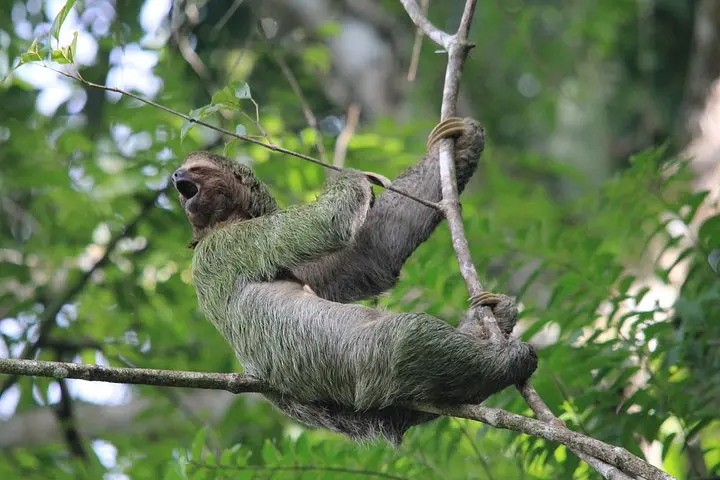
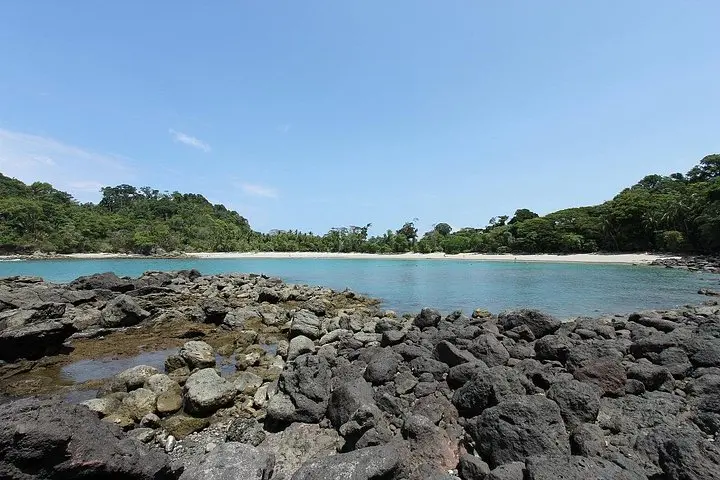
You step through the park gate and the air changes: humid, green, alive. A gravel path threads between lowland tropical rainforest and a coastline that presses bright sand against dark headlands. Monkeys chatter above; a guide pauses, raises a spotting scope and points out a sloth tucked like a mossy ornament in the canopy. The sea calls from a short distance, salt and wind cutting through the foliage.
Verified experiences and guided adventures in the surrounding area.
Operated by Travel Costa Rica Tours · Quepos, Puntarenas
You step through the park gate and the air changes: humid, green, alive. A gravel path threads between lowland tropical rainforest and a coastline that presses bright sand against dark headlands. Monkeys chatter above; a guide pauses, raises a spotting scope and points out a sloth tucked like a mossy ornament in the canopy. The sea calls from a short distance, salt and wind cutting through the foliage.
Manuel Antonio National Park, created in 1972, protects a compact but globally important patch of Pacific coast rainforest and beaches. Its geology is coastal shelf and volcanic-derived soils, producing steep buttresses, rocky coves and fine white sand where reef and stream sediments meet the ocean. Nearby Quepos grew up as a fishing town and retains a working-harbor feel—guides often fold local fishing lore into wildlife stories.
On this guided walk expect a slow, 2.2 km route over mixed gravel and sand with minimal elevation gain; the focus is wildlife viewing using digiscoping and binoculars rather than a strenuous hike. Mornings concentrate wildlife activity—capuchins, sloths, iguanas and colorful birds—while later the heat sends many species quiet.
Practical notes: buy your SINAC park ticket online before arrival, arrive early to avoid crowds and heat, and bring sun protection, water and insect repellent. Wear sturdy shoes for damp, sometimes slippery trails and be prepared to pause often—half the experience is watching the guide zero in on hidden wildlife. The tour ends near safe swimming beaches if you want to cool off; bring a towel if you plan to stay. Respect distance rules: do not touch or feed wildlife and keep the trail clean to protect this small, fragile park.
Yes—SINAC requires advance purchase of entry tickets online; bring confirmation to avoid cancellation.
The main trail has accessible sections near the entrance and some tiered boardwalks, but parts are uneven; check with your guide for the best route and assistance options.
Yes—the tour finishes near Manuel Antonio’s safe swimming beaches; you can stay in the park to swim if you bring a towel and change of clothes.
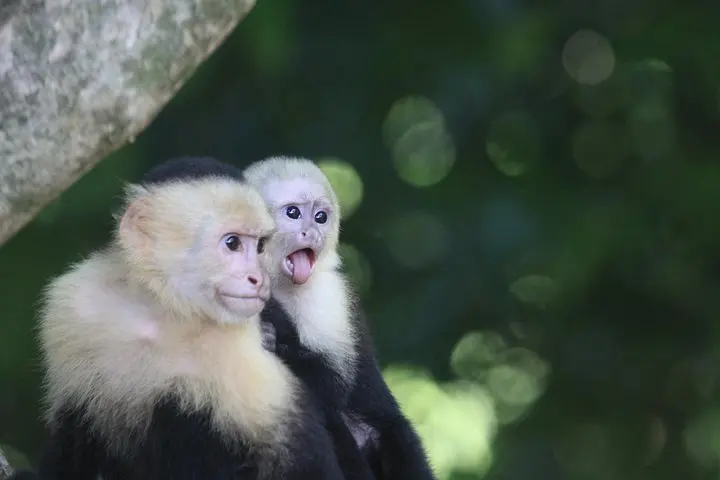
Common sightings include white-faced capuchin monkeys, two- and three-toed sloths, iguanas and a variety of coastal and rainforest birds like toucans and tanagers.
Travel Costa Rica Tours operates guided outdoor trips and adventures with an emphasis on safety, stewardship, and memorable experiences.
You step through the park gate and the air changes: humid, green, alive. A gravel path threads between lowland tropical rainforest and a coastline that presses bright sand against dark headlands. Monkeys chatter above; a guide pauses, raises a spotting scope and points out a sloth tucked like a mossy ornament in the canopy. The sea calls from a short distance, salt and wind cutting through the foliage.
You step through the park gate and the air changes: humid, green, alive. A gravel path threads between lowland tropical rainforest and a coastline that presses bright sand against dark headlands. Monkeys chatter above; a guide pauses, raises a spotting scope and points out a sloth tucked like a mossy ornament in the canopy. The sea calls from a short distance, salt and wind cutting through the foliage.
Manuel Antonio National Park, created in 1972, protects a compact but globally important patch of Pacific coast rainforest and beaches. Its geology is coastal shelf and volcanic-derived soils, producing steep buttresses, rocky coves and fine white sand where reef and stream sediments meet the ocean. Nearby Quepos grew up as a fishing town and retains a working-harbor feel—guides often fold local fishing lore into wildlife stories.
On this guided walk expect a slow, 2.2 km route over mixed gravel and sand with minimal elevation gain; the focus is wildlife viewing using digiscoping and binoculars rather than a strenuous hike. Mornings concentrate wildlife activity—capuchins, sloths, iguanas and colorful birds—while later the heat sends many species quiet.
Practical notes: buy your SINAC park ticket online before arrival, arrive early to avoid crowds and heat, and bring sun protection, water and insect repellent. Wear sturdy shoes for damp, sometimes slippery trails and be prepared to pause often—half the experience is watching the guide zero in on hidden wildlife. The tour ends near safe swimming beaches if you want to cool off; bring a towel if you plan to stay. Respect distance rules: do not touch or feed wildlife and keep the trail clean to protect this small, fragile park.