THE ADVENTURE COLLECTIVE® · Independent discovery and booking for outdoor travel

A focused, two-hour guided walk through Manuel Antonio National Park that highlights monkeys, sloths, birds and coastal ecosystems. Early departures increase your chances of close wildlife encounters and cooler, drier trail conditions.
A focused, two-hour guided walk through Manuel Antonio National Park that highlights monkeys, sloths, birds and coastal ecosystems. Early departures increase your chances of close wildlife encounters and cooler, drier trail conditions.
The trail opens beneath a high canopy of almond and almond-like trees; humidity presses lightly against your skin while birds chatter like a radio tuning itself. Guides sweep a spotting scope across branches and illustrate the fine differences between white-faced capuchins, howler monkeys and squirrel monkeys as they move through the upper stories. The walk finishes at a white-sand crescent where the Pacific breaks quietly along tide pools.
Verified experiences and guided adventures in the surrounding area.
Operated by Steve Tours Costa Rica · Quepos, Puntarenas
The trail opens beneath a high canopy of almond and almond-like trees; humidity presses lightly against your skin while birds chatter like a radio tuning itself. Guides sweep a spotting scope across branches and illustrate the fine differences between white-faced capuchins, howler monkeys and squirrel monkeys as they move through the upper stories. The walk finishes at a white-sand crescent where the Pacific breaks quietly along tide pools.
Manuel Antonio became Costa Rica’s smallest national park in 1972 but remains one of the country's most biologically concentrated spots: steep coastal hills cut by short streams, exposed volcanic rock, and a mix of primary and secondary forest. The local culture blends campesino fishing traditions around Quepos with tourism services that grew after the park’s creation. Expect interpretive stops that highlight the park’s geology — coastal uplift and erosion — and human history from traditional fishing camps to modern conservation efforts.
Practically, the tour is an easy-paced, roughly two-hour guided loop on maintained trails with occasional roots and short stairs. Guides commonly use optics to locate sloths, iguanas, frogs and the three monkey species; bring binoculars if you have them. Go early for cooler temperatures and the best animal activity; mid-day is hotter and animal sightings thin. Stay on marked trails, keep food sealed, and follow the guide’s instructions when near wildlife. Sunscreen, insect repellent, and a reusable water bottle make a measurable difference in comfort. With minimal elevation change but dense, humid forest, the visit rewards patience and quiet observation more than speed or stamina.
Most shared tours do not include the national park entrance fee—confirm at booking; private tours may bundle admission depending on the operator.
Early morning (shortly after park opening) yields the highest likelihood of active monkeys, birds and sloths before heat and crowds build.
Guides report the route is accessible for many ability levels and strollers, but some trails have steps and uneven surfaces—ask the operator about wheelchair options and assistance.
Yes — most tours finish at the park beach where calm waters allow swimming; always check conditions and follow lifeguard or guide advice.
Steve Tours Costa Rica operates guided outdoor trips and adventures with an emphasis on safety, stewardship, and memorable experiences.

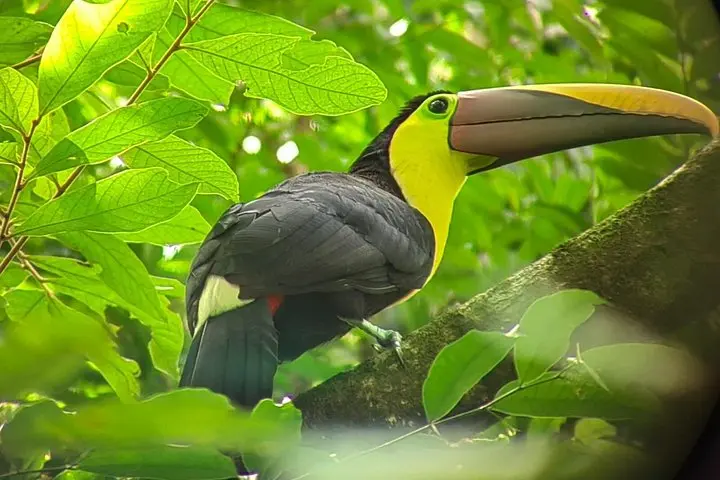
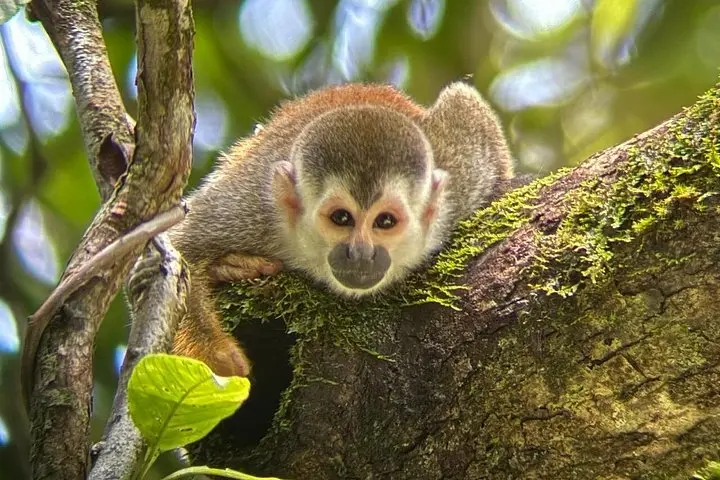
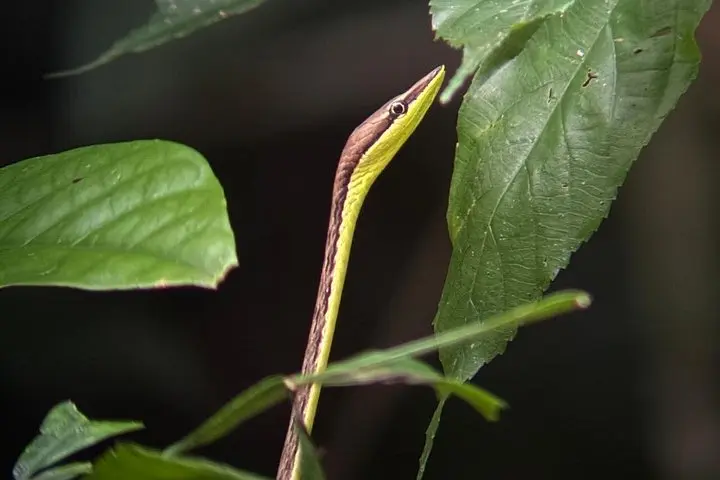
The trail opens beneath a high canopy of almond and almond-like trees; humidity presses lightly against your skin while birds chatter like a radio tuning itself. Guides sweep a spotting scope across branches and illustrate the fine differences between white-faced capuchins, howler monkeys and squirrel monkeys as they move through the upper stories. The walk finishes at a white-sand crescent where the Pacific breaks quietly along tide pools.
The trail opens beneath a high canopy of almond and almond-like trees; humidity presses lightly against your skin while birds chatter like a radio tuning itself. Guides sweep a spotting scope across branches and illustrate the fine differences between white-faced capuchins, howler monkeys and squirrel monkeys as they move through the upper stories. The walk finishes at a white-sand crescent where the Pacific breaks quietly along tide pools.
Manuel Antonio became Costa Rica’s smallest national park in 1972 but remains one of the country's most biologically concentrated spots: steep coastal hills cut by short streams, exposed volcanic rock, and a mix of primary and secondary forest. The local culture blends campesino fishing traditions around Quepos with tourism services that grew after the park’s creation. Expect interpretive stops that highlight the park’s geology — coastal uplift and erosion — and human history from traditional fishing camps to modern conservation efforts.
Practically, the tour is an easy-paced, roughly two-hour guided loop on maintained trails with occasional roots and short stairs. Guides commonly use optics to locate sloths, iguanas, frogs and the three monkey species; bring binoculars if you have them. Go early for cooler temperatures and the best animal activity; mid-day is hotter and animal sightings thin. Stay on marked trails, keep food sealed, and follow the guide’s instructions when near wildlife. Sunscreen, insect repellent, and a reusable water bottle make a measurable difference in comfort. With minimal elevation change but dense, humid forest, the visit rewards patience and quiet observation more than speed or stamina.