THE ADVENTURE COLLECTIVE® · Independent discovery and booking for outdoor travel

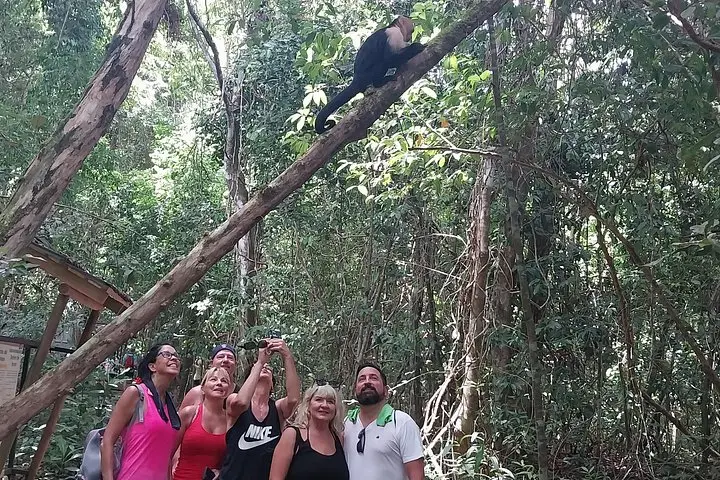
Half rainforest, half beach, this short guided walk through Manuel Antonio National Park pairs expert guides and optical gear with high wildlife density. Expect sloths, monkeys, toucans and quick lessons in coastal rainforest ecology—perfect for travelers who want big sightings without a long trek.
Half rainforest, half beach, this short guided walk through Manuel Antonio National Park pairs expert guides and optical gear with high wildlife density. Expect sloths, monkeys, toucans and quick lessons in coastal rainforest ecology—perfect for travelers who want big sightings without a long trek.
You step off the bus and the air changes—humid, green, and sharp with salt. A guide lifts a spotting scope and points toward a slow-moving figure high in the canopy; a sloth blinks at you like an old islander keeping time. Waves nudge the shore below, daring you to look away.
Verified experiences and guided adventures in the surrounding area.
Operated by Diego Nature Tours · Quepos, Puntarenas
You step off the bus and the air changes—humid, green, and sharp with salt. A guide lifts a spotting scope and points toward a slow-moving figure high in the canopy; a sloth blinks at you like an old islander keeping time. Waves nudge the shore below, daring you to look away.
Manuel Antonio, formally protected in the early 1970s, sits on a rocky Pacific peninsula where volcanic soils meet coral reefs. Trails thread through low-elevation tropical rainforest, cross short staircases and open suddenly onto sandy coves backed by granite headlands. The park’s proximity to Quepos shaped its culture: a working fishing town, now paired with ecotourism and a long history of community conservation.
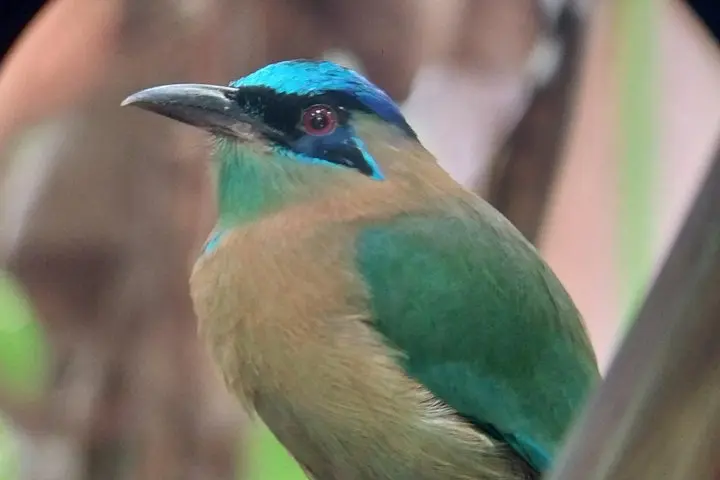
On a guided two-hour walk you’ll learn to read the forest—how agoutis bury seeds, how toucans scout fruiting trees, and where tidal pools hide juvenile fish. Guides use telescopes and local knowledge to turn camouflage into sightings; the access is intimate because the park is compact but biodiverse.
Practical guidance: tours are typically about two hours, mostly flat with brief uneven sections and steps; light, grippy footwear is best. Bring sun protection, refillable water, and insect repellent; rain showers can come fast in the green season. Respect viewing distances—guides enforce no-touch rules to protect wildlife. Wheelchair access is available at some points, but beach access can be sandy and uneven.
This is a short, intense nature encounter—ideal for travelers who want high wildlife density without strenuous hiking. Move quietly, keep cameras ready, and let the forest reveal itself on the guide’s rhythm.
Not always — many operators require you to pay the national park entrance fee locally; confirm at booking.
Sightings are common but not guaranteed; guides maximize chances using habitat knowledge and optics, but wildlife is wild.
Parts of the park and some of the tour infrastructure are wheelchair accessible, though beach access may be sandy and uneven.
The guided experience is about two hours and is rated easy: mostly flat trails with a few stairs and short uneven sections.
Diego Nature Tours operates guided outdoor trips and adventures with an emphasis on safety, stewardship, and memorable experiences.
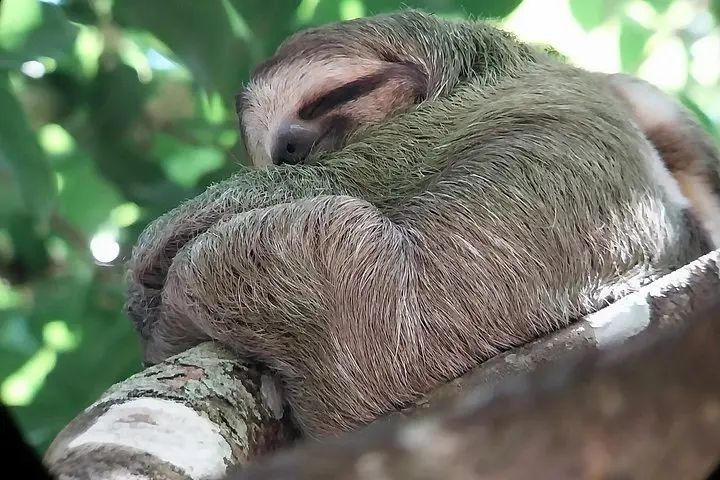
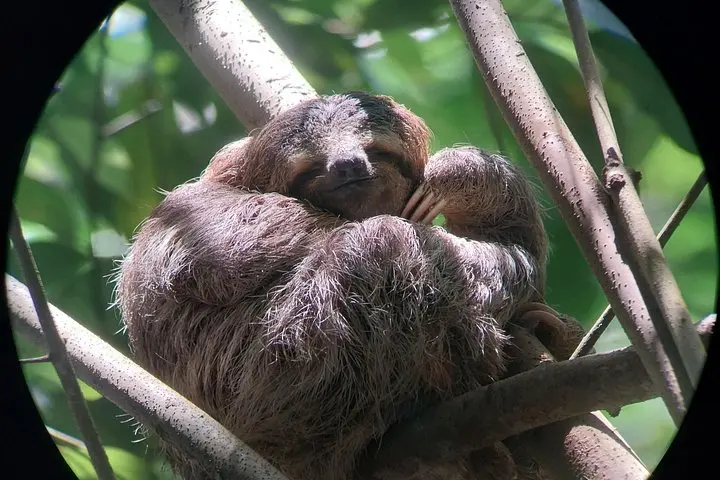
You step off the bus and the air changes—humid, green, and sharp with salt. A guide lifts a spotting scope and points toward a slow-moving figure high in the canopy; a sloth blinks at you like an old islander keeping time. Waves nudge the shore below, daring you to look away.
You step off the bus and the air changes—humid, green, and sharp with salt. A guide lifts a spotting scope and points toward a slow-moving figure high in the canopy; a sloth blinks at you like an old islander keeping time. Waves nudge the shore below, daring you to look away.
Manuel Antonio, formally protected in the early 1970s, sits on a rocky Pacific peninsula where volcanic soils meet coral reefs. Trails thread through low-elevation tropical rainforest, cross short staircases and open suddenly onto sandy coves backed by granite headlands. The park’s proximity to Quepos shaped its culture: a working fishing town, now paired with ecotourism and a long history of community conservation.
On a guided two-hour walk you’ll learn to read the forest—how agoutis bury seeds, how toucans scout fruiting trees, and where tidal pools hide juvenile fish. Guides use telescopes and local knowledge to turn camouflage into sightings; the access is intimate because the park is compact but biodiverse.
Practical guidance: tours are typically about two hours, mostly flat with brief uneven sections and steps; light, grippy footwear is best. Bring sun protection, refillable water, and insect repellent; rain showers can come fast in the green season. Respect viewing distances—guides enforce no-touch rules to protect wildlife. Wheelchair access is available at some points, but beach access can be sandy and uneven.
This is a short, intense nature encounter—ideal for travelers who want high wildlife density without strenuous hiking. Move quietly, keep cameras ready, and let the forest reveal itself on the guide’s rhythm.