THE ADVENTURE COLLECTIVE® · Independent discovery and booking for outdoor travel

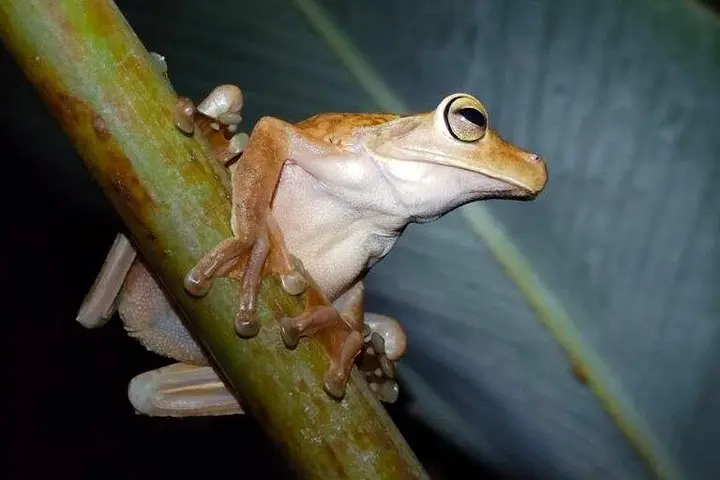
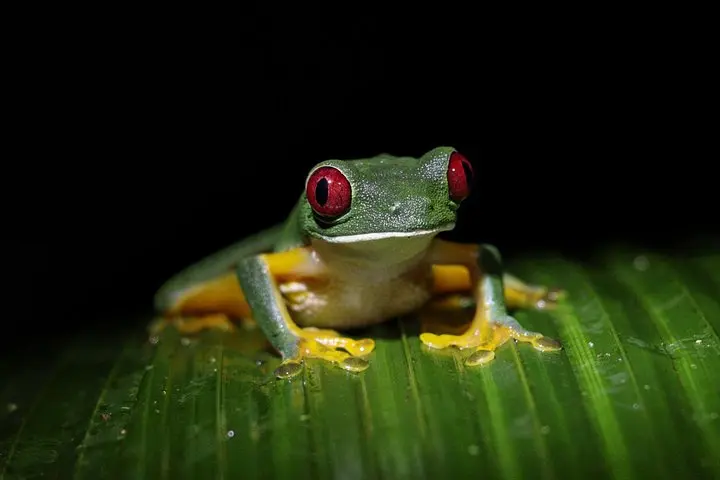
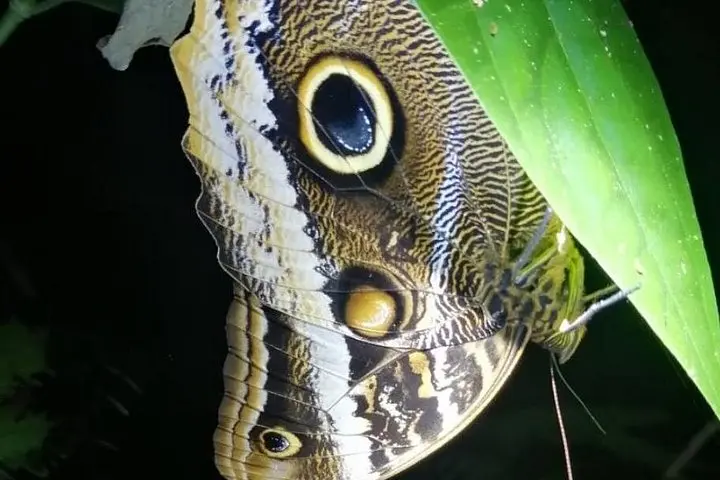
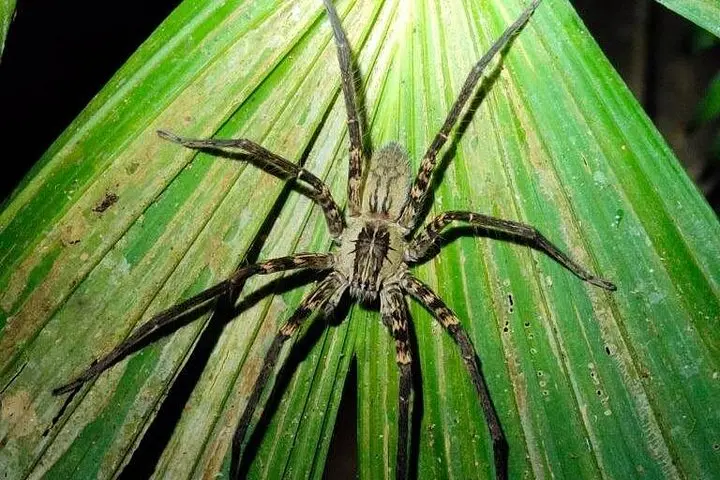
Explore Manuel Antonio’s darker side on a guided night walk through lowland rainforest. Move slowly with a bilingual guide to find frogs, owls, snakes and other nocturnal life while learning about local ecosystems and conservation.
Explore Manuel Antonio’s darker side on a guided night walk through lowland rainforest. Move slowly with a bilingual guide to find frogs, owls, snakes and other nocturnal life while learning about local ecosystems and conservation.
The trail breathes differently after sunset. Headlamps cut thin ribbons through humid air; tree frogs answer back with metallic calls and leaves stir as small mammals move just out of sight. This night walk around Manuel Antonio begins in the Sukia Park parking lot and slips into the forest at a slow, deliberate pace, tuned to the tiny signals of a world that only appears after dark.
Verified experiences and guided adventures in the surrounding area.
Operated by Guach Nature Tours · Manuel Antonio, Puntarenas
The trail breathes differently after sunset. Headlamps cut thin ribbons through humid air; tree frogs answer back with metallic calls and leaves stir as small mammals move just out of sight. This night walk around Manuel Antonio begins in the Sukia Park parking lot and slips into the forest at a slow, deliberate pace, tuned to the tiny signals of a world that only appears after dark.
Manuel Antonio sits on Costa Rica’s central Pacific coast, a pocket of lowland tropical rainforest carved from ancient volcanic soils and shaped by ocean breezes. The national park was created to protect coastal forests and beaches; its trails cross old river terraces where nocturnal species—frogs, snakes, owls, caimans and basilisk lizards—become visible if you watch closely. Local guides bring cultural context, explaining how communities in Puntarenas have long depended on the sea and forest while now balancing conservation and visitor access.
Practical guidance: tours run 60–120 minutes at an unhurried pace and are suitable for most fitness levels. Expect uneven, sometimes muddy footing—sturdy closed-toe shoes help—and bring a reliable flashlight or headlamp (guides supply or flashlight is included in this tour). Move quietly to increase sightings and follow the guide’s directions around sensitive habitats; flash photography can stress animals and is often discouraged.
Timing matters—bring insect repellent, a light rain layer in the wet months, and patience. At night the forest is active and intimate; observe from a distance, listen more than you look, and the jungle will reveal its darker side.
The guided walk typically lasts between 60 and 120 minutes depending on sightings and group pace.
Yes—this tour is described as easy and suitable for all fitness levels, but children should be able to follow quiet instructions and stay close to the guide.
Guides look for a range of nocturnal species including caimans and snakes; they maintain safe distances and will direct guests away from hazards.
Flashlights are included in the tour inclusions, but bringing your own headlamp is recommended for hands-free use and backup lighting.
Guach Nature Tours operates guided outdoor trips and adventures with an emphasis on safety, stewardship, and memorable experiences.
The trail breathes differently after sunset. Headlamps cut thin ribbons through humid air; tree frogs answer back with metallic calls and leaves stir as small mammals move just out of sight. This night walk around Manuel Antonio begins in the Sukia Park parking lot and slips into the forest at a slow, deliberate pace, tuned to the tiny signals of a world that only appears after dark.
The trail breathes differently after sunset. Headlamps cut thin ribbons through humid air; tree frogs answer back with metallic calls and leaves stir as small mammals move just out of sight. This night walk around Manuel Antonio begins in the Sukia Park parking lot and slips into the forest at a slow, deliberate pace, tuned to the tiny signals of a world that only appears after dark.
Manuel Antonio sits on Costa Rica’s central Pacific coast, a pocket of lowland tropical rainforest carved from ancient volcanic soils and shaped by ocean breezes. The national park was created to protect coastal forests and beaches; its trails cross old river terraces where nocturnal species—frogs, snakes, owls, caimans and basilisk lizards—become visible if you watch closely. Local guides bring cultural context, explaining how communities in Puntarenas have long depended on the sea and forest while now balancing conservation and visitor access.
Practical guidance: tours run 60–120 minutes at an unhurried pace and are suitable for most fitness levels. Expect uneven, sometimes muddy footing—sturdy closed-toe shoes help—and bring a reliable flashlight or headlamp (guides supply or flashlight is included in this tour). Move quietly to increase sightings and follow the guide’s directions around sensitive habitats; flash photography can stress animals and is often discouraged.
Timing matters—bring insect repellent, a light rain layer in the wet months, and patience. At night the forest is active and intimate; observe from a distance, listen more than you look, and the jungle will reveal its darker side.