THE ADVENTURE COLLECTIVE® · Independent discovery and booking for outdoor travel

Walk the forest after dark with guides from the Herpetofauna Rescue Center to see frogs, lizards, sloths and kinkajous in a 3.5 km tertiary forest near Manuel Antonio. This two‑hour bilingual tour mixes close wildlife viewing with conservation context and practical field tips.
Walk the forest after dark with guides from the Herpetofauna Rescue Center to see frogs, lizards, sloths and kinkajous in a 3.5 km tertiary forest near Manuel Antonio. This two‑hour bilingual tour mixes close wildlife viewing with conservation context and practical field tips.
The trail narrows as daylight drains; headlamps pick out wet leaves and the abrupt shine of amphibian eyes. On this two‑hour night walk you thread through roughly 3.5 km of tertiary forest near Manuel Antonio, where guides slow the pace so small, secretive creatures have a chance to show themselves.
Verified experiences and guided adventures in the surrounding area.
Operated by Nature Tours Costa Rica · Quepos, Puntarenas
The trail narrows as daylight drains; headlamps pick out wet leaves and the abrupt shine of amphibian eyes. On this two‑hour night walk you thread through roughly 3.5 km of tertiary forest near Manuel Antonio, where guides slow the pace so small, secretive creatures have a chance to show themselves.
The coastal hills here are young volcanic slopes over limestone pockets, producing slick, root‑studded trails and a dense understory that frogs and lizards prefer. The Herpetofauna Rescue Center grew from local conservation responses to habitat loss and disease affecting amphibians — tonight’s walk doubles as a field visit and a primer on regional rescue work. Cultural notes: bilingual guides often weave natural history with local folklore about nocturnal animals, and the nearby town of Quepos supplies a practical base for evening returns.
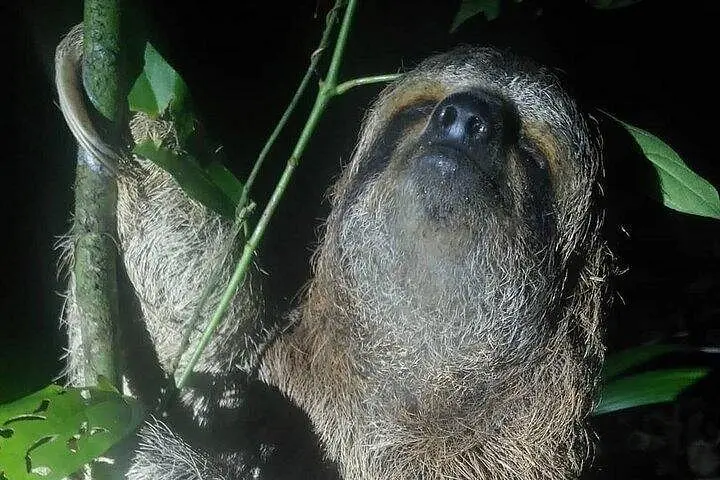
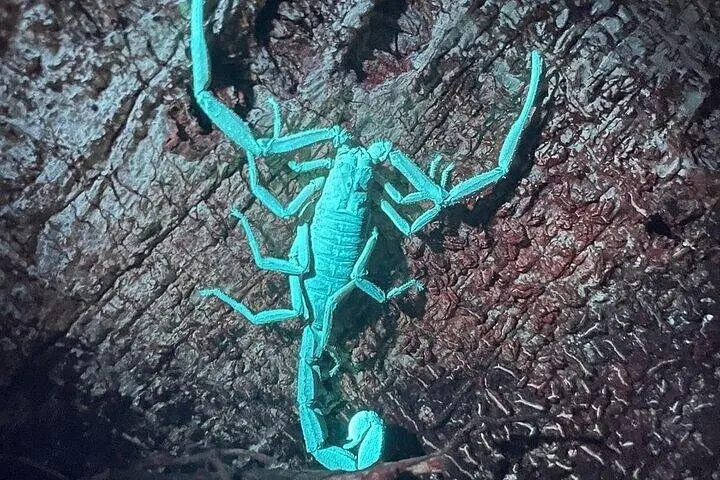
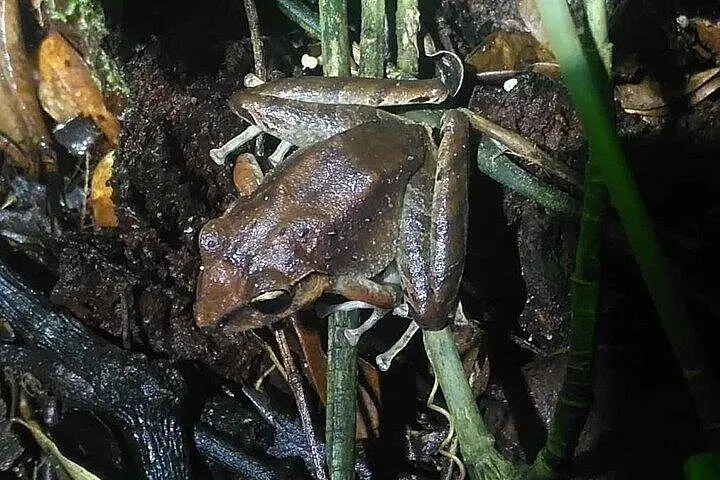
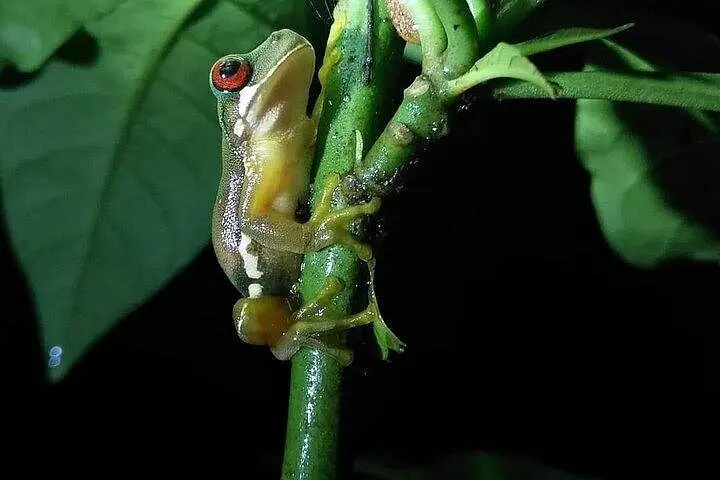
Expect close views — if quiet — of tree frogs, small lizards, sloths in lower branches, and the occasional kinkajou moving like a shadow above. The route includes a stop at a small butterfly garden and a chance to see rescued animals being cared for behind the center’s fences.
Practical guidance: wear closed‑toe shoes with grip, bring a headlamp and insect repellent (some lighting is provided), and plan for muddy sections. The walk suits people with moderate fitness; it’s not a scramble but involves uneven footing and low light. Tours run with small groups (max 10) and require at least two participants; check cancellation rules if weather turns. Respect distance rules around wildlife — minimizing disturbance helps both animals and future visitors.
The tour is approximately 2 hours and covers roughly 3.5 km of tertiary and secondary forest trails at a relaxed pace.
Yes—families are welcome but infants must sit on an adult’s lap; the tour requires at least moderate fitness and supervision of children is recommended.
Common nighttime sightings include tree frogs, small lizards, sloths in low branches, kinkajous, and various nocturnal birds; sightings depend on weather and quiet behavior.
Guides supply binoculars/spotting scopes, flashlights, and bilingual interpretation; bring your own headlamp for hands‑free viewing.
Nature Tours Costa Rica operates guided outdoor trips and adventures with an emphasis on safety, stewardship, and memorable experiences.
The trail narrows as daylight drains; headlamps pick out wet leaves and the abrupt shine of amphibian eyes. On this two‑hour night walk you thread through roughly 3.5 km of tertiary forest near Manuel Antonio, where guides slow the pace so small, secretive creatures have a chance to show themselves.
The trail narrows as daylight drains; headlamps pick out wet leaves and the abrupt shine of amphibian eyes. On this two‑hour night walk you thread through roughly 3.5 km of tertiary forest near Manuel Antonio, where guides slow the pace so small, secretive creatures have a chance to show themselves.
The coastal hills here are young volcanic slopes over limestone pockets, producing slick, root‑studded trails and a dense understory that frogs and lizards prefer. The Herpetofauna Rescue Center grew from local conservation responses to habitat loss and disease affecting amphibians — tonight’s walk doubles as a field visit and a primer on regional rescue work. Cultural notes: bilingual guides often weave natural history with local folklore about nocturnal animals, and the nearby town of Quepos supplies a practical base for evening returns.
Expect close views — if quiet — of tree frogs, small lizards, sloths in lower branches, and the occasional kinkajou moving like a shadow above. The route includes a stop at a small butterfly garden and a chance to see rescued animals being cared for behind the center’s fences.
Practical guidance: wear closed‑toe shoes with grip, bring a headlamp and insect repellent (some lighting is provided), and plan for muddy sections. The walk suits people with moderate fitness; it’s not a scramble but involves uneven footing and low light. Tours run with small groups (max 10) and require at least two participants; check cancellation rules if weather turns. Respect distance rules around wildlife — minimizing disturbance helps both animals and future visitors.